• Business
  • Markets
  • Politics
  • Crypto
  • Finance
  • Intelligence
    • Policy Intelligence
    • Security Intelligence
    • Economic Intelligence
    • Fashion Intelligence
  • Energy
  • Technology
  • Taxes
  • Creator Economy
  • Wealth Management
  • LBNN Blueprints
  • Business
  • Markets
  • Politics
  • Crypto
  • Finance
  • Intelligence
    • Policy Intelligence
    • Security Intelligence
    • Economic Intelligence
    • Fashion Intelligence
  • Energy
  • Technology
  • Taxes
  • Creator Economy
  • Wealth Management
  • LBNN Blueprints

Soil And Groundwater Rehabilitation In South Africa’s Petrochemical And Mining Sectors

Simon Osuji by Simon Osuji
May 9, 2025
in Infrastructure
0
Soil And Groundwater Rehabilitation In South Africa’s Petrochemical And Mining Sectors
0
SHARES
1
VIEWS
Share on FacebookShare on Twitter


The environmental legacy of industrial activity in manufacturing, petrochemical, and mining sectors includes the contamination of soil and groundwater with a diverse range of pollutants, including sulphate, ammonium, nitrate, heavy metals and metalloids, such as lead, mercury, arsenic and cadmium, which are toxic and persistent in the environment. Hydrocarbon pollutants, including petroleum products and their byproducts, and organic compounds, such as pesticides and industrial solvents, pose serious risks to human health, ecosystems, and water resources.

Despite a strong regulatory framework and a skilled workforce, many contaminated sites remain in a “care and maintenance” phase, focusing on containment rather than achieving permanent remediation.

Traditional remediation methods like excavation and disposal, onsite bioremediation or pump-and-treat systems for groundwater can be ineffective, time-consuming, and costly. They can also have unintended consequences like disturbing soil characteristics and natural groundwater flows.

The solution – a collaborative approach

Overcoming the complex environmental challenges posed by the manufacturing, petrochemical, and mining industries requires a collaborative approach involving industry leaders, environmental experts, and technology providers. By pooling resources, knowledge, and innovative technologies, these partnerships can accelerate the development and implementation of effective and sustainable remediation solutions. Private sector companies are at the forefront of driving innovation, developing solutions such as advanced bioremediation and insitu treatment methods. These technologies offer efficient and environmentally friendly approaches to complex contamination problems. By combining technical expertise, experience, and a strong local presence, private sector companies are well-positioned to deliver comprehensive remediation solutions that can significantly reduce project timelines. Furthermore, the private sector can provide the necessary financial resources and expertise to support especially large-scale remediation projects, demonstrating a commitment to environmental responsibility and long-term sustainability. Effective communication and engagement with local communities are critical for successful remediation projects. Private sector involvement can help build trust and address community concerns through transparent and inclusive processes.

By working closely with regulatory authorities, private sector companies can ensure compliance with environmental standards and contribute to the development of more stringent regulations.

The benefits of a collaborative approach
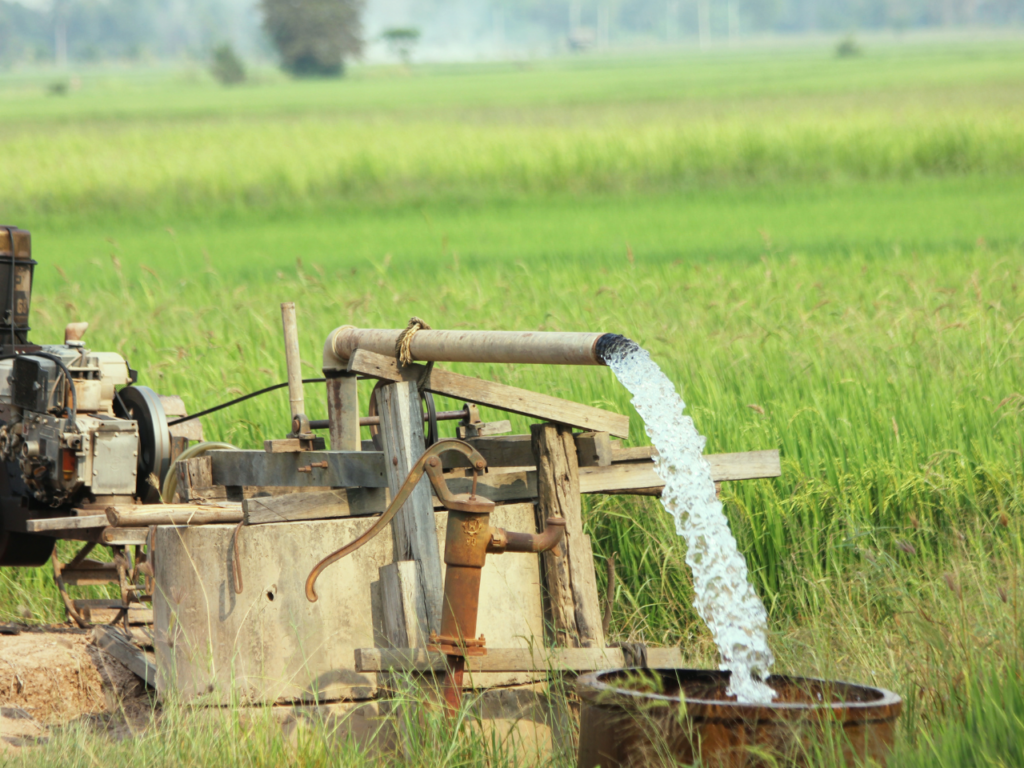
Groundwater pollution

Robert Erasmus

Robert Erasmus, managing director, Sanitech

A multi-stakeholder approach enhances the efficiency of soil and groundwater remediation. Combining the expertise of industry, academia, environmental consultants, and government entities optimises resource allocation, shortens remediation timelines, and reduces costs. Improved communication and community engagement foster public trust and smoother project implementation. By fostering partnerships between industry, government, and academia, South Africa can accelerate site rehabilitation and establish itself as a leader in sustainable resource management. Leveraging innovative technologies and shared expertise will expedite remediation efforts, protect human health and the environment, and contribute to a more sustainable future. By Robert Erasmus, MD of Sanitech, and Harry Ylikangas, CEO of Sensatec Africa


Related posts

A R7bn dam but no tap water for local villagers in Lesotho

A R7bn dam but no tap water for local villagers in Lesotho

February 20, 2026
Unpaid Power Bills Hit N6 Trillion as Nigeria’s Electricity Crisis Reaches Breaking Point

Unpaid Power Bills Hit N6 Trillion as Nigeria’s Electricity Crisis Reaches Breaking Point

February 20, 2026


Source link

Previous Post

Klarna CEO Reverses Course By Hiring More Humans, Not AI

Next Post

Development Agenda Magazine focuses on Sahel region’s challenges in Q2 2025 edition – EnviroNews

Next Post
Development Agenda Magazine focuses on Sahel region’s challenges in Q2 2025 edition – EnviroNews

Development Agenda Magazine focuses on Sahel region's challenges in Q2 2025 edition - EnviroNews

Leave a Reply Cancel reply

Your email address will not be published. Required fields are marked *

RECOMMENDED NEWS

EXCLUSIVE: ‘We are a little behind’ says Saudia boss as airline eyes faster innovation to match Emirates, Etihad, flydubai

EXCLUSIVE: ‘We are a little behind’ says Saudia boss as airline eyes faster innovation to match Emirates, Etihad, flydubai

10 months ago
Arup sweeps 13 accolades at the Green Building Award 2025, including the Green Building Leadership Pioneer Award

Arup sweeps 13 accolades at the Green Building Award 2025, including the Green Building Leadership Pioneer Award

3 months ago
Blue hydrogen and gas-power CCS could derail UK net zero targets

Blue hydrogen and gas-power CCS could derail UK net zero targets

2 years ago
Attack in Eastern DR Congo Kills 20

Attack in Eastern DR Congo Kills 20

2 years ago

POPULAR NEWS

  • Ghana to build three oil refineries, five petrochemical plants in energy sector overhaul

    Ghana to build three oil refineries, five petrochemical plants in energy sector overhaul

    0 shares
    Share 0 Tweet 0
  • The world’s top 10 most valuable car brands in 2025

    0 shares
    Share 0 Tweet 0
  • Top 10 African countries with the highest GDP per capita in 2025

    0 shares
    Share 0 Tweet 0
  • Global ranking of Top 5 smartphone brands in Q3, 2024

    0 shares
    Share 0 Tweet 0
  • When Will SHIB Reach $1? Here’s What ChatGPT Says

    0 shares
    Share 0 Tweet 0

Get strategic intelligence you won’t find anywhere else. Subscribe to the Limitless Beliefs Newsletter for monthly insights on overlooked business opportunities across Africa.

Subscription Form

© 2026 LBNN – All rights reserved.

Privacy Policy | About Us | Contact

Tiktok Youtube Telegram Instagram Linkedin X-twitter
No Result
View All Result
  • Home
  • Business
  • Politics
  • Markets
  • Crypto
  • Economics
    • Manufacturing
    • Real Estate
    • Infrastructure
  • Finance
  • Energy
  • Creator Economy
  • Wealth Management
  • Taxes
  • Telecoms
  • Military & Defense
  • Careers
  • Technology
  • Artificial Intelligence
  • Investigative journalism
  • Art & Culture
  • LBNN Blueprints
  • Quizzes
    • Enneagram quiz
  • Fashion Intelligence

© 2023 LBNN - All rights reserved.