– Advertisement –
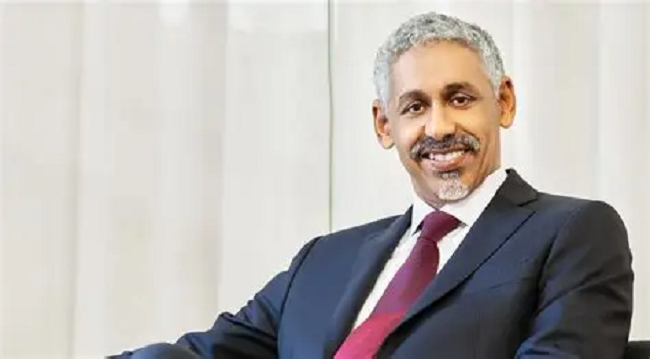
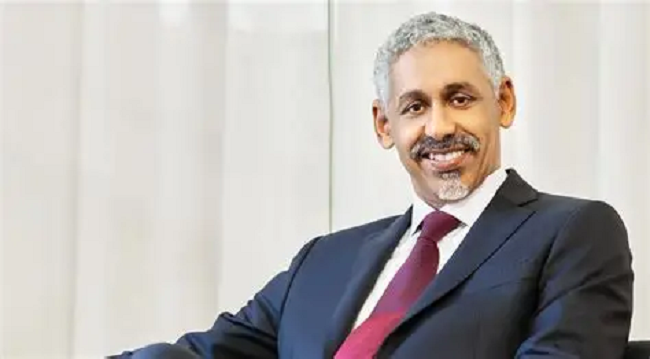
On Monday, September 1, 2025, Sidi Ould Tah will officially take office as President of the African Development Bank (AfDB), succeeding Akinwumi Adesina. Elected on May 29, 2025, with 76.18% of the vote, Sidi Ould Tah thus becomes the first Mauritanian to hold this strategic position for the continent’s economic development.
Observers believe that Sidi Ould Tah’s victory reflects the success of Mauritanian diplomacy and the strong mobilisation of African states in his favour.
Several diplomatic levers contributed to the strength of his candidacy: the rotating presidency of the African Union held in 2024 by Mohamed Ould Ghazouani, the mobilisation of regional and international support, and the influence of Arab League countries – thanks to the networks built by Sidi Ould Tah during his tenure at BADEA (Arab Bank for Economic Development in Africa), which he led from 2015 to 2025. Under his leadership, BADEA improved its credit ratings and strengthened its impact on Africa’s economic development
One of Sidi Ould Tah’s first challenges will be mobilising new sources of financing for the AfDB, particularly following the withdrawal of $555 million in U.S. aid from the African Development Fund, dedicated to the continent’s most vulnerable countries.
His extensive experience and international network are seen as key assets to strengthen the Bank’s role in development financing, structural transformation, and the promotion of Africa’s economic sovereignty.
The new AfDB President has pledged to serve the continent with humility and a deep sense of duty.
Tah said this in his acceptance speech delivered before African finance ministers, governors of the Bank, and dignitaries at the AfDB Annual Meetings in Abidjan, Côte d’Ivoire.
He expressed profound gratitude to African nations for the confidence reposed in him.
“It is with great humility and a sense of responsibility that I speak to you at this special moment.
“I would like to thank Africa for the trust it has placed in me. I fully appreciate the responsibility and duty that come with it,” he said.
Tah paid special tribute to his home country, Mauritania, and President Mohamed El-Ghazaouani, whose strong support and diplomatic outreach were instrumental in securing his election.
“I thank my country and President El-Ghazaouani, who supported my candidacy and made tireless efforts to ensure the success we have just witnessed,” he said.
The new AfDB president also acknowledged the unwavering solidarity shown by Africans across the continent and extended heartfelt appreciation to his campaign team for their commitment throughout the election process.
“I would like to make a special mention of my team, who did a remarkable job from beginning to end. I express my deepest gratitude to them,” he said.
While he recognised the many individuals and groups who supported his candidacy, Tah emphasised that the time for celebration was over and called for immediate action.
“Now, let us go to work! I am ready,” he said.
Tah succeeds Dr Akinwumi Adesina of Nigeria.
Adesina had served two successful terms and was widely praised for expanding the Bank’s capital base and amplifying its development impact across the continent.
Experts say Tah’s tenure begins at a time when the continent was grappling with multiple economic challenges, including climate shocks, debt distress, and the urgent need for sustainable infrastructure financing.
As he steps into this pivotal role, expectations are high that Tah will continue to strengthen the AfDB’s role as a cornerstone institution for Africa’s development and integration.
The African Development Bank’s past heads since its inception in 1964 are:
- Mamoun Beheiry (Sudan), 1964-1970
- Abdelwahab Labidi (Tunisia), 1970-1976
- Kwame Donkor Fordwor (Ghana), 1976-1980
- Willa Mung’Omba (Zambia), 1980-1985
- Babacar N’diaye (Senegal), 1985-1995
- Omar Kabbaj (Morocco), 1995-2005
- Donald Kaberuka (Rwanda), 2005-2015.
- Dr. Akinwumi Adesina (Nigeria), 2015-2025.