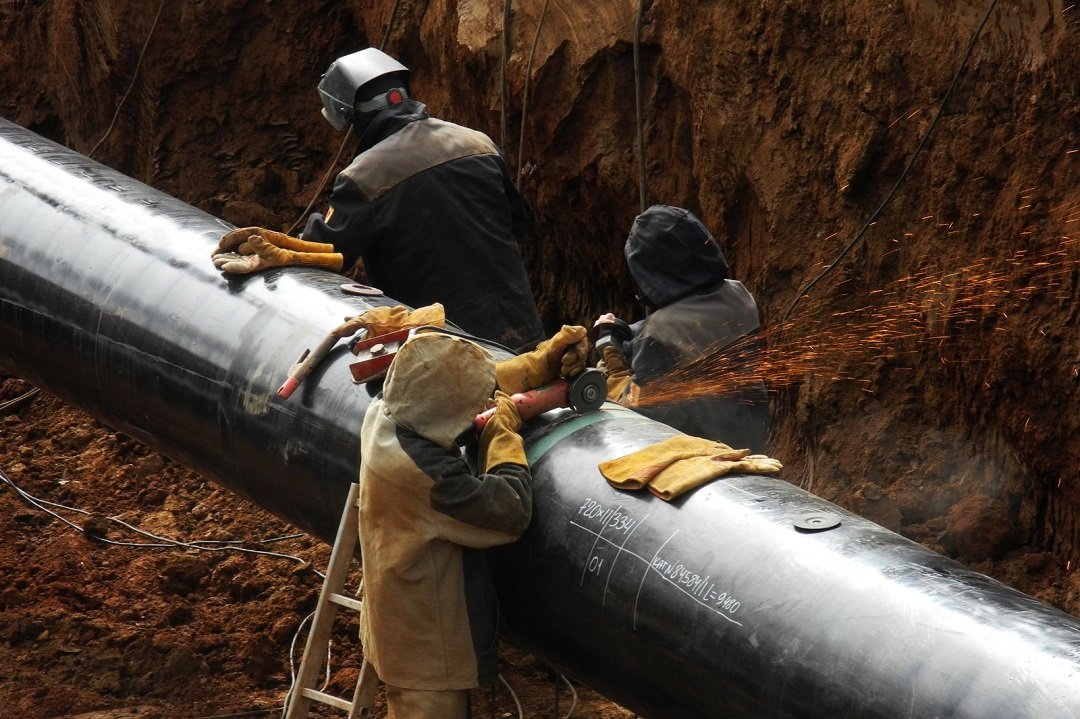
- The final stretch of the East African Crude Oil Pipeline (EACOP) reveals a paradox of a project held hostage by unresolved grievances, pitting the dream of prosperity against the specter of a familiar curse.
- For Uganda, EACOP is the key to a vault long locked while for Tanzania, the crude pipeline promises to transform the country into a strategic energy corridor.
- To date, seven students are still in jail at Luzira Maximum Prison a December 2025 report alleges. They were arrested for petitioning Uganda parliament against the pipeline.
Across Tanzania and Uganda, an old story is being rewritten with steel, capital, and immense ambition. And while the promise is simple: to transform East Africa’s economic destiny, the reality, however, is a complex and tense narrative where gleaming pipelines run parallel to shadows of conflict and fear.
With the finish line in just over five months, the final stretch of the East African Crude Oil Pipeline (EACOP) reveals a paradox of monumental potential held hostage by unresolved grievances, pitting the dream of prosperity against the specter of a familiar curse.
The physical embodiment of this dream is nearing completion. The EACOP runs 1,443km from Kabaale, Hoima district in landlocked Uganda all the way to the Indian Ocean via Tanga Port in Tanzania and is 80 percent complete as of this month, a representative said at the weekend.
EACOP unlocks Uganda’s potential to extract over 6.5 billion barrels of oil
The updates, which were delivered during a state visit by Ugandan President Yoweri Museveni to Tanzania, painted a picture of imminent victory. According to a statement by the Directorate of Presidential Communications at State House, EACOP unlocks Uganda’s potential to extract over 6.5 billion barrels of crude reserves.
For Uganda, it is the key to a vault long locked. For Tanzania, EACOP promises to transform the country into a strategic energy corridor. “The project is already generating significant revenue through transit fees, taxes and the revitalisation of the Tanga Port,” reads a press report from State House.
The figures are dizzying. “EACOP already attracts Foreign Direct Investment (FDI) in excess of 5 billion US dollars annually,” adds the press statement. Shareholders laud its ‘unending benefits,’ and from a purely infrastructural standpoint, the progress is undeniable. The oil, discovered in Uganda’s Lake Albert region in 2006, is finally within reach of hungry global markets.
But just meters away from the buried 26-inch oil pipeline, and the 30-meter corridor that guards it, a different reality festers. Here, the celebratory rhetoric from state houses clashes with allegations from the ground.
While presidents review progress, a damning December 2025 Global Witness investigation report titled ‘EACOP: A Trail of Fear and Intimidation for Climate Activists and Land Defenders‘ alleges that “there is a climate of intimidation and harassment aimed at silencing criticism of the controversial East Africa Crude Oil Pipeline (EACOP).” The report details a campaign of coercion, accusing project stakeholders of unfair land compensation, intimidation, and the suppression of dissent.
The most poignant symbol of this tension languishes in a prison cell. “To date, seven students are still in jail at Luzira Maximum Prison,” the report alleges, arrested for petitioning Uganda parliament against the pipeline. The confrontation over their fate reached the global stage at COP28, where campaigners confronted EACOP’s largest shareholder, TotalEnergies.
The report claims CEO Patrick Pouyanné promised public calls for their release, but laments, “It’s two days since TotalEnergies made that promise, but we’ve not seen any statements or media coverage.”
This is the heart of the “so near, yet so far” dilemma. The pipeline’s physical completion is measurable in percentage points and months. The promised wealth, the jobs, the revenues, the transformation, is conceptually just over the horizon in July 2026. Yet, that wealth feels perpetually distant for those who see the project as an engine of alienation rather than upliftment.
The oil project’s shareholders including TotalEnergies (62 per cent), the Uganda National Oil Company (15 per cent), China’s CNOOC (8 per cent) and the Tanzania Petroleum Development Corporation (15 per cent), deny wrongdoing. But the persistent allegations of human rights abuses, environmental compromise, and a stifled civil society form a formidable barrier, not of concrete and steel, but of legitimacy and social license.
The oil billions are so near. They are quantified in barrels, kilometers completed, and FDI dollars. Yet, they remain so far for a populace caught between the state’s grand vision and the activists’ dire warnings.
The final five months of construction look set to determine if the pipeline becomes a conduit for shared prosperity or merely a physical conduit for crude, bypassing a people it was meant to serve and entrenching the very divisions and distrust that characterize the “resource curse” it seeks to defy.
The pipe may be finished on schedule, but the journey to truly unlocking its promised wealth has barely begun, and the path is fraught with the unresolved tensions of two decades.
Read also: EACOP: East Africa’s pipeline to prosperity over 60% complete
EACOP operations, the promise of East Africa oil
Just last month, January 30th 2026, EACOP held its first Supplier Development Forum where it highlighted opportunities for Ugandan companies in the project.
According to a press release issued at the even, over 200 participants attended in person and more than 800 joined online.
“This reflects the strong interest of local businesses in contributing to one of Africa’s largest infrastructure projects,” the press report details.
EACOP Deputy Managing Director, John Bosco Habumugisha, was keen to underscore that the project prioritizes local content as ‘central to EACOP’s vision.’
“We cannot overemphasize the importance of empowering Ugandan companies to actively contribute to the project,” he asserted and encouraged local suppliers to seize the opportunity.
On his part, Christophe Carmon, the Deputy EACOP Field Operations Director, seconded the views saying there are multiple opportunities for what he described as ‘sustainable engagement, capacity building and job creation.’