
• Business
  • Markets
  • Politics
  • Crypto
  • Finance
  • Intelligence
    • Policy Intelligence
    • Security Intelligence
    • Economic Intelligence
    • Fashion Intelligence
  • Energy
  • Technology
  • Taxes
  • Creator Economy
  • Wealth Management
  • LBNN Blueprints
  • Business
  • Markets
  • Politics
  • Crypto
  • Finance
  • Intelligence
    • Policy Intelligence
    • Security Intelligence
    • Economic Intelligence
    • Fashion Intelligence
  • Energy
  • Technology
  • Taxes
  • Creator Economy
  • Wealth Management
  • LBNN Blueprints

Severe COVID-19 may cause long-term changes to innate immune system

Simon Osuji by Simon Osuji
August 19, 2023
in Artificial Intelligence
0
Teeth may be able to preserve antibodies for hundreds of years, study reveals
0
SHARES
0
VIEWS
Share on FacebookShare on Twitter


Severe COVID-19 may cause long-lasting alterations to the innate immune system, the first line of defense against pathogens, according to a small study funded by the National Institute of Allergy and Infectious Diseases, part of the National Institutes of Health. These changes may help explain why the disease can damage so many different organs and why some people with long COVID have high levels of inflammation throughout the body. The findings were published online today in the journal Cell.

Researchers led by Steven Z. Josefowicz, Ph.D., of Weill Cornell Medicine in New York City examined immune cells and molecules in blood samples from 38 people recovering from severe COVID-19 and other severe illnesses, as well as from 19 healthy people. Notably, the researchers established a new technique for collecting, concentrating and characterizing very rare blood-forming stem cells that circulate in the blood, eliminating the need to extract such cells from bone marrow.

In these rare stem cells-;the parents of immune-system cells-;taken from people recovering from COVID-19, the scientists identified changes in the instructions for which genes got turned on or off. These changes were passed down to daughter cells, leading them to boost production of immune cells called monocytes. In the monocytes from people recovering from severe COVID-19, the changes in gene expression led the cells to pump out greater amounts of molecules called inflammatory cytokines than monocytes from people who were healthy or had non-COVID-19 illnesses. The researchers observed these changes as much as a year after the participants came down with COVID-19. Due to the small number of study participants, the scientists could not establish a direct association between the cellular and molecular changes and health outcomes.

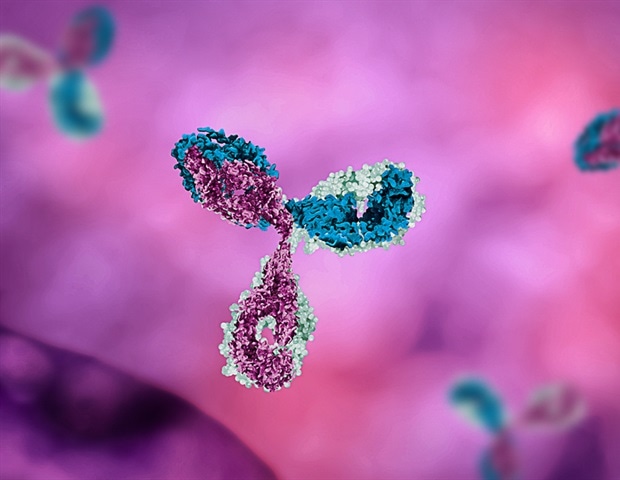
The investigators suspected that an inflammatory cytokine called IL-6 might play role in establishing the changes in gene-expression instructions. They tested their hypothesis both in mice with COVID-19-like disease and in people with COVID-19. In these experiments, some of the subjects received antibodies at the early stage of illness that prevented IL-6 from binding to cells. During recovery, these mice and people had lower levels of altered stem cell gene-expression instructions, monocyte production and inflammatory cytokine production than subjects that didn’t receive the antibody. In addition, the lungs and brains of mice that received the antibodies had fewer monocyte-derived cells and less organ damage.

These findings suggest that SARS-CoV-2 can cause changes in gene expression that ultimately boost the production of inflammatory cytokines, and one type of those cytokines perpetuates the process by inducing these changes in stem cells even after the illness is over. Additionally, the findings suggest that early-acting IL-6 is likely a major driver of long-term inflammation in people with severe COVID-19. These findings shed light on the pathogenesis of SARS-CoV-2 infection and may provide new leads for therapies. The results also underscore the importance of staying up to date with recommended COVID-19 vaccines, which are proven to protect against serious illness, hospitalization and death.

Source:

NIH/National Institute of Allergy and Infectious Diseases

Journal reference:

Cheong, J-G., et al. (2023) Epigenetic memory of coronavirus infection in innate immune cells and their progenitors. Cell. doi.org/10.1016/j.cell.2023.07.019.



Source link

Related posts

Sony’s Biggest QLED Screens See Big Discounts This Weekend

Sony’s Biggest QLED Screens See Big Discounts This Weekend

February 7, 2026
Target Darts Omni Auto Scoring System Hits the Mark

Target Darts Omni Auto Scoring System Hits the Mark

February 7, 2026
Previous Post

Thefts at the British Museum prompted director’s resignation, say media reports

Next Post

Cutting-edge imaging technique shines light on how DNA strands stack up

Next Post
Cutting-edge imaging technique shines light on how DNA strands stack up

Cutting-edge imaging technique shines light on how DNA strands stack up

Leave a Reply Cancel reply

Your email address will not be published. Required fields are marked *

RECOMMENDED NEWS

Devastating Impact of Climate-Related Disasters as Families Lose Loved-Ones

Devastating Impact of Climate-Related Disasters as Families Lose Loved-Ones

1 week ago
How to Use Satellite Communications on the Garmin Fenix 8 Pro

How to Use Satellite Communications on the Garmin Fenix 8 Pro

4 months ago
Trump’s Treasury Secretary says ‘move to El Salvador’ or live with strong regulation

Trump’s Treasury Secretary says ‘move to El Salvador’ or live with strong regulation

2 days ago
The Best Laptop Docking Stations We Tested and Reviewed (2024)

The Best Laptop Docking Stations We Tested and Reviewed (2024)

2 years ago

POPULAR NEWS

  • Ghana to build three oil refineries, five petrochemical plants in energy sector overhaul

    Ghana to build three oil refineries, five petrochemical plants in energy sector overhaul

    0 shares
    Share 0 Tweet 0
  • The world’s top 10 most valuable car brands in 2025

    0 shares
    Share 0 Tweet 0
  • Top 10 African countries with the highest GDP per capita in 2025

    0 shares
    Share 0 Tweet 0
  • Global ranking of Top 5 smartphone brands in Q3, 2024

    0 shares
    Share 0 Tweet 0
  • When Will SHIB Reach $1? Here’s What ChatGPT Says

    0 shares
    Share 0 Tweet 0

Get strategic intelligence you won’t find anywhere else. Subscribe to the Limitless Beliefs Newsletter for monthly insights on overlooked business opportunities across Africa.

Subscription Form

© 2026 LBNN – All rights reserved.

Privacy Policy | About Us | Contact

Tiktok Youtube Telegram Instagram Linkedin X-twitter
No Result
View All Result
  • Home
  • Business
  • Politics
  • Markets
  • Crypto
  • Economics
    • Manufacturing
    • Real Estate
    • Infrastructure
  • Finance
  • Energy
  • Creator Economy
  • Wealth Management
  • Taxes
  • Telecoms
  • Military & Defense
  • Careers
  • Technology
  • Artificial Intelligence
  • Investigative journalism
  • Art & Culture
  • LBNN Blueprints
  • Quizzes
    • Enneagram quiz
  • Fashion Intelligence

© 2023 LBNN - All rights reserved.