

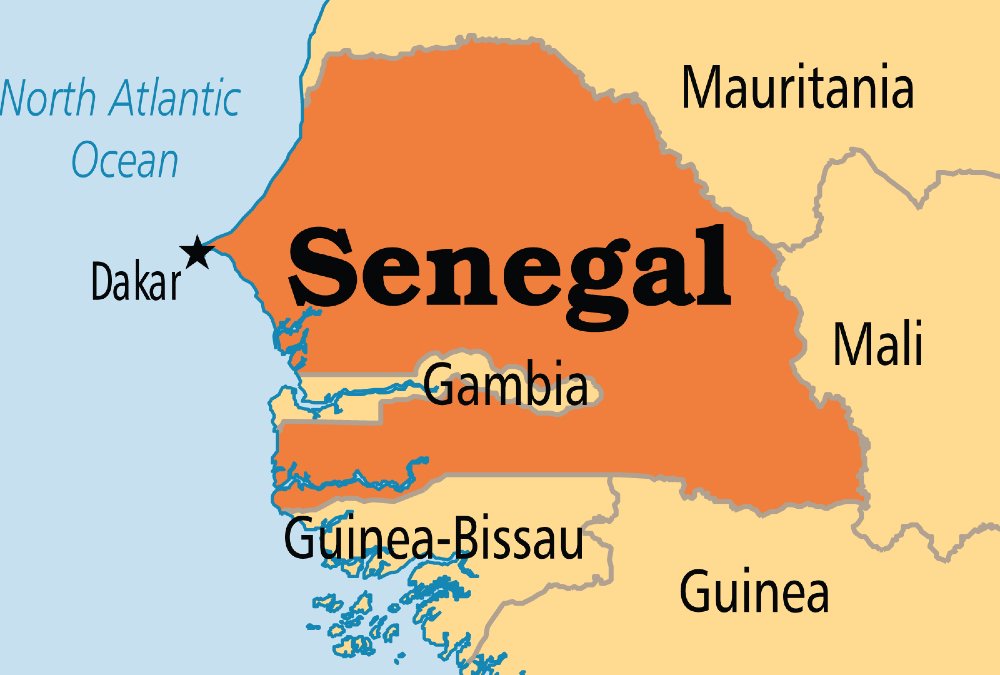
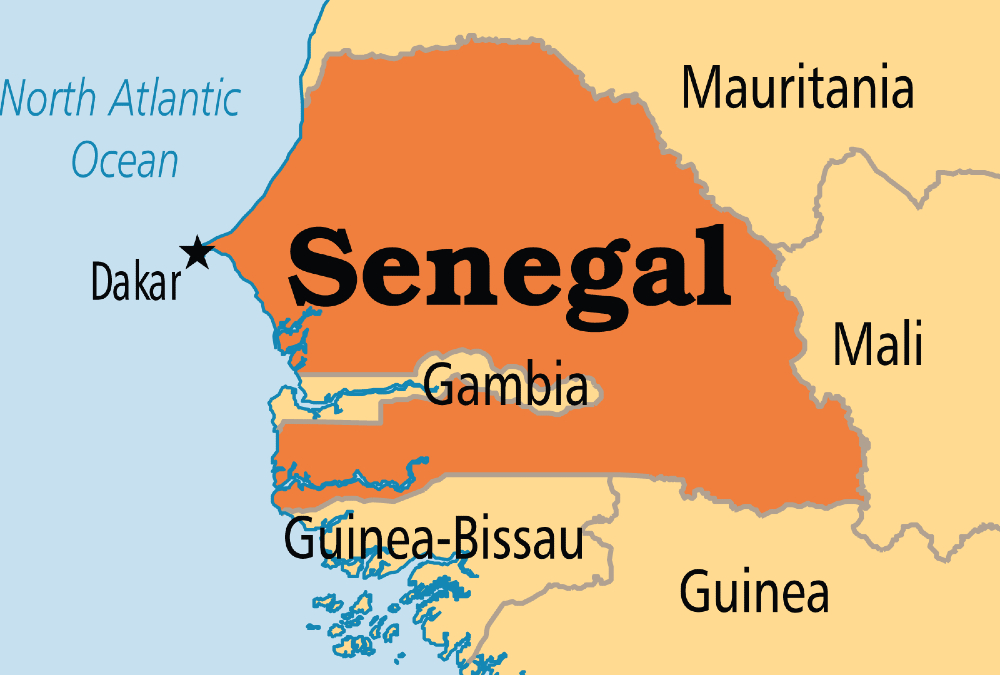
Senegal will shutter 19 state agencies, saving an estimated US$98 million over three years, as the debt-burdened West African nation seeks to restore fiscal credibility.
Announced earlier this month, the closures affect nearly 1,000 staff and entities with a combined 2025 budget of US$50 million. Prime Minister Ousmane Sonko has ruled out a formal restructuring, even as Dakar taps regional debt markets.
The measure accompanies tighter budget controls and pay-scale harmonization.
Senegal’s move spotlights a continent-wide challenge: bloated bureaucracies that drain scarce public funds. Nigeria, Ghana and Kenya have pledged audits, but few have delivered large-scale savings.
Nigeria’s 2011 Orosonye Report urged cutting ministries and agencies from 541 to 161. Recommendations were ignored; the count now exceeds 800, contributing to rising debt-servicing costs.
For African governments facing mounting borrowing costs, Senegal’s targeted closures – linked to measurable fiscal gains – offer a pragmatic template. Pruning inefficiency is not just fiscal prudence; it is a prerequisite for investor confidence and development spending that improves citizens’ lives.


