• Business
  • Markets
  • Politics
  • Crypto
  • Finance
  • Intelligence
    • Policy Intelligence
    • Security Intelligence
    • Economic Intelligence
    • Fashion Intelligence
  • Energy
  • Technology
  • Taxes
  • Creator Economy
  • Wealth Management
  • LBNN Blueprints
  • Business
  • Markets
  • Politics
  • Crypto
  • Finance
  • Intelligence
    • Policy Intelligence
    • Security Intelligence
    • Economic Intelligence
    • Fashion Intelligence
  • Energy
  • Technology
  • Taxes
  • Creator Economy
  • Wealth Management
  • LBNN Blueprints

Rising sugar imports highlight need for next phase of master plan

Simon Osuji by Simon Osuji
February 19, 2026
in Business
0
Rising sugar imports highlight need for next phase of master plan
0
SHARES
1
VIEWS
Share on FacebookShare on Twitter

As local sugar cane farmers face rising sugar imports and global market pressures, the industry prepares for Phase 2 of the Sugarcane Value Chain Master Plan. Speaking to Farmer’s Weekly, South African Sugar Association executives reflect on Phase 1 outcomes and outline next-phase priorities.


Related posts

U.S. gains access to world’s richest tantalum deposit in DR Congo as mineral deal reshapes war, global tech supply chains

U.S. gains access to world’s richest tantalum deposit in DR Congo as mineral deal reshapes war, global tech supply chains

February 19, 2026
Trump-Backed WLFI Rises 16% In 1 Day: Mar-a-Lago Event Hype?

Trump-Backed WLFI Rises 16% In 1 Day: Mar-a-Lago Event Hype?

February 19, 2026

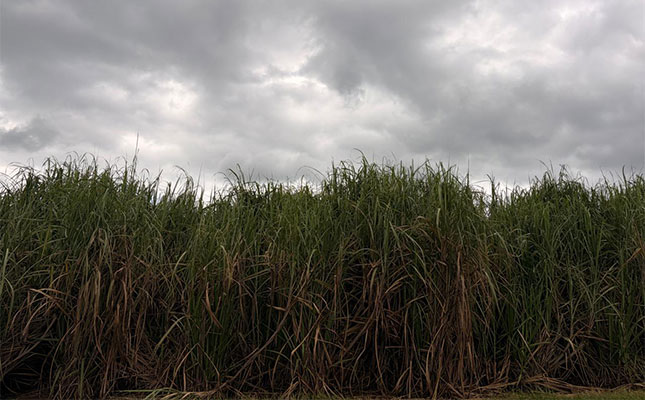
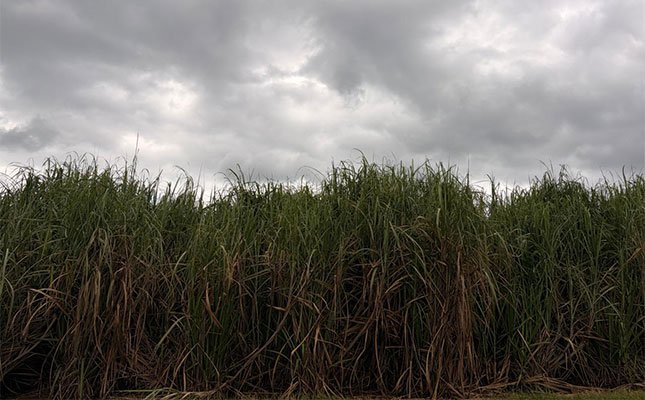
Sugar-cane-field

For every ton of sugar imported into South Africa, the local industry loses around R7 500. Image: Octavia Avesca Spandiel

– ADVERTISEMENT –

According to Sifiso Mhlaba, CEO of the South African Sugar Association (SASA), Phase 1 achieved just over 51% of its planned outputs between 2021 and 2023. A key objective was stabilising domestic sugar sales, which had fallen from 1,5 million tons to 1,2 million tons over multiple seasons before the plan.

He added that this recovery was supported by a pricing restraint commitment, which limited increases to the consumer price index, and by ensuring that downstream buyers sourced 95% of their sugar locally. Combined with trade protections, these measures helped restore stability to the domestic market.

Diversification efforts, conducted in partnership with the Industrial Development Corporation, initially considered more than 50 alternative sugar cane products, narrowing down to five, including sustainable aviation fuel (SAF) and polylactic acid (PLA). Phase 2 will focus on commercialising these innovations and exploring sustainable production pathways.

Other objectives included maintaining a moratorium on the Health Promotion Levy (HPL), South Africa’s tax on sugary beverages introduced in 2018 to combat obesity and non-communicable diseases, and ensuring government support for the measure.

Increasing imports and industry displacement

Alongside Phase 2 preparations, the industry faces rising sugar imports. Kulani Siweya, national market and trade policy executive at SASA, said South Africa received 163 000t of sugar from countries like Brazil, India, Guatemala, Thailand, and Eswatini between April and December 2025, up 155% from the previous year.

“These imports are highly subsidised, allowing foreign producers to export at prices below production costs,” he said, adding that every ton of imported sugar costs the local industry R7 500 and displaces domestic production.

“This has already cost the South African sugar industry over a R 1 billion, ” he said.

Siweya explained that South African producers still earn more selling locally than exporting at world prices, which remain below production costs.

“Maintaining the size of the [local] industry through protection measures is critical to preserving jobs and economic activity,” he added.

To cushion the industry, SASA is seeking a revision of the dollar-based reference price, which sets a benchmark for sugar imports. The current benchmark, US$680/t (around R10 890/t) set in 2018, no longer reflects current costs. SASA has applied to raise it to $905/t (R14 490/t).

“This protection will enable us to focus on the master plan commitments, responsible pricing, diversification, and transformation,” Siweya said.

He added that independent analysis indicates that the adjustment will result in only a 0,3% increase in sugar prices for consumers.

Phase 2: preparing for implementation

Mhlaba explained that Phase 2 will streamline operations through four test teams, down from 10 in Phase 1, to improve monitoring and evaluation:

  • Test Team 1: trade and pricing issues
  • Test Team 2: small-scale grower support
  • Test Team 3: diversification efforts, including SAF and PLA
  • Test Team 4: food policy and HPL considerations

He added that transformation underpins the master plan, with R2 billion earmarked over five years for black and small-scale growers, ensuring job creation and retention.

🌾 Enjoyed this article?

Get trusted farming news from Farmers Weekly in Google Top Stories.

➕ Add Farmers Weekly to Google
✔ Takes 10 seconds · ✔ Remove anytime

Source link

Previous Post

Vietnam Airlines Unveils Major Fleet Expansion with Up to US$ 8.1 Billion Order for 50 Boeing 737-8 Aircraft

Next Post

Why Is Ethiopia Projecting Double-Digit Economic Growth?

Next Post
Why Is Ethiopia Projecting Double-Digit Economic Growth?

Why Is Ethiopia Projecting Double-Digit Economic Growth?

Leave a Reply Cancel reply

Your email address will not be published. Required fields are marked *

RECOMMENDED NEWS

Coordinated Efforts Lead Kenya to Major Drug Bust

Coordinated Efforts Lead Kenya to Major Drug Bust

3 months ago
Embraer and SNC demonstrate Super Tucano to Ghana Air Force

Embraer and SNC demonstrate Super Tucano to Ghana Air Force

2 years ago
Can I Drink Electrolyte Water Every Day? Experts Weigh In (2025)

Can I Drink Electrolyte Water Every Day? Experts Weigh In (2025)

6 months ago
AI Predicts SHIB Price for November 30, 2024

AI Predicts SHIB Price for November 30, 2024

1 year ago

POPULAR NEWS

  • Ghana to build three oil refineries, five petrochemical plants in energy sector overhaul

    Ghana to build three oil refineries, five petrochemical plants in energy sector overhaul

    0 shares
    Share 0 Tweet 0
  • The world’s top 10 most valuable car brands in 2025

    0 shares
    Share 0 Tweet 0
  • Top 10 African countries with the highest GDP per capita in 2025

    0 shares
    Share 0 Tweet 0
  • Global ranking of Top 5 smartphone brands in Q3, 2024

    0 shares
    Share 0 Tweet 0
  • When Will SHIB Reach $1? Here’s What ChatGPT Says

    0 shares
    Share 0 Tweet 0

Get strategic intelligence you won’t find anywhere else. Subscribe to the Limitless Beliefs Newsletter for monthly insights on overlooked business opportunities across Africa.

Subscription Form

© 2026 LBNN – All rights reserved.

Privacy Policy | About Us | Contact

Tiktok Youtube Telegram Instagram Linkedin X-twitter
No Result
View All Result
  • Home
  • Business
  • Politics
  • Markets
  • Crypto
  • Economics
    • Manufacturing
    • Real Estate
    • Infrastructure
  • Finance
  • Energy
  • Creator Economy
  • Wealth Management
  • Taxes
  • Telecoms
  • Military & Defense
  • Careers
  • Technology
  • Artificial Intelligence
  • Investigative journalism
  • Art & Culture
  • LBNN Blueprints
  • Quizzes
    • Enneagram quiz
  • Fashion Intelligence

© 2023 LBNN - All rights reserved.