


As South Africa’s red meat industry faces mounting pressure from animal disease risks, climate volatility and shifting market requirements, role players are increasingly turning to research-led platforms to support better decision-making across the value chain.


– ADVERTISEMENT –
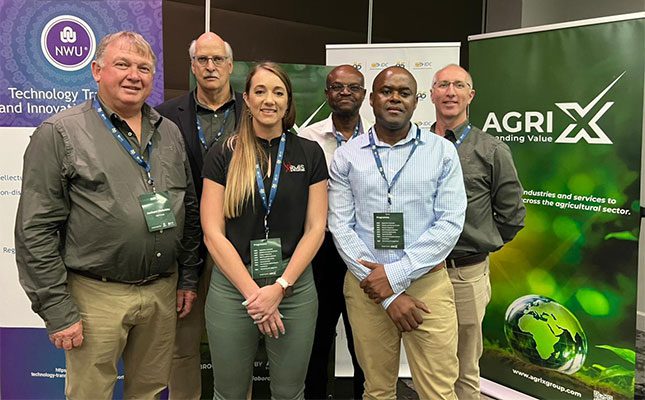
This was the key message at the launch of the Agri X Fusion Series of Events in Pretoria on 27 January, where organisers and industry partners positioned the initiative as a structured mechanism to connect scientific research with the practical realities of farming, processing, investment and policy.
The first event in the series, Agri X Fusion: Red Meat Value Chain, will be held on 4 and 5 March at the North-West University (NWU) Mahikeng Campus. It is expected to bring together producers, feedlots, processors, researchers, industry bodies, policymakers and funders.
Agri X said the Fusion format is designed to move beyond conventional conferences by creating a pathway from research and discussion to practical programmes, partnerships and investment opportunities.
Research as a business tool
While conferences are often criticised for generating more talk than action, speakers at the launch argued that the sector’s current risks demand platforms that use research to guide real-world choices, from farm-level management to national policy.
Koos Nel, CEO of Agri X, said the agriculture sector was operating under crisis conditions, with foot-and-mouth disease (FMD) illustrating how quickly biosecurity events can disrupt production, marketing and consumer confidence.
Nel said the challenge was not only responding to immediate threats, but building a value chain capable of adapting over time, and that this required stronger alignment between industry needs and research capacity and the constant need for investment.
“Historically, agriculture has been too siloed,” he said, adding that research, funding and operational decision-making often happened in parallel rather than in an integrated system.
He said the Fusion platform aimed to build a connected ecosystem linking industry and academia, creating a pipeline that converts insight into implementable programmes. Over the coming months, Nel said Agri X would work with industry bodies, academic institutions, sponsors and investors to map capabilities and translate identified needs into actionable projects.
From research insight to practical decision-making
According to Gerhard Diedericks, director of Agri X, the March programme will focus on areas where the sector requires stronger evidence-based direction. Agri X said the programme will cover themes such as genetics, feeding strategies, biosecurity, market access, climate resilience and value-chain competitiveness.
The event format has been structured to support practical follow-through, including matchmaking and facilitated engagements aimed at encouraging collaboration between industry stakeholders, researchers and other key role players.
RMIS: research needed to close policy gaps
Corlia Oberholzer, operations manager at Red Meat Industry Services (RMIS), said the role of research in the red meat industry has become increasingly strategic, particularly where policy decisions have significant downstream market impacts.
Oberholzer said RMIS, funded through statutory industry funding, represents the full value chain from farmers to abattoirs and is guided by the Red Meat Industry Strategy 2030, which prioritises animal and public health, inclusive growth, market access, competitiveness and sustainability. She said research is critical not only for innovation, but also for predicting emerging risks, strengthening surveillance and diagnostics, and informing policy and regulation.
As part of this work, RMIS launched the Field to Future process last year, using a ground-up approach to identify research needs from across the sector. So far, 138 participants have taken part in sessions covering themes such as genetics, environment and sustainability. Oberholzer said key issues identified include FMD and the need for a formal grading system for the red meat industry.
One of the most pressing examples of why evidence matters, she said, is the impact of FMD on the so-called fifth quarter (offal). Oberholzer said large volumes of offal are being wasted due to uncertainty around infection persistence and disposal requirements post-infection. This affects affordability and availability, particularly for lower-income consumers.
A current research project, in collaboration with the University of Pretoria and co-funders, is investigating the persistence of foot-and-mouth disease in cattle after infection, with the aim of producing outcomes that can inform policy on offal disposal.
She said RMIS would continue managing the Field to Future process as an ongoing pipeline that collects industry ideas, prioritises topics by urgency and impact, and funnels them into feasible projects. Work is also expected to begin this year on a multi-year grading system initiative, including analysis of how grading could affect pricing and what mechanisms would be required to implement it.
NWU: conferences can stop research “gathering dust”
Prof Simon Letsoalo from NWU’s School of Agricultural Sciences (Mahikeng Campus) said the March Fusion event aligns with the university’s commitment to community engagement by ensuring research outputs translate into real-world benefit. Letsoalo said a common weakness in academia is that valuable research results can “gather dust” if they are not actively disseminated to communities and industry stakeholders.
He said a research-led conference can act as a bridge between knowledge generation and value-chain impact by creating space for researchers and industry to interrogate findings, test assumptions and identify what can realistically be implemented.
Letsoalo said NWU was proud to host the first event in the series and viewed it as the start of a longer-term approach to strengthen the university’s role in food security initiatives. He said the university had allocated internal resources to support the event and aimed to ensure research outcomes, including postgraduate work, are communicated more effectively to value-chain participants.
IDC: funding must follow evidence and impact
Lwandisa Makapula from the Industrial Development Corporation (IDC) said value-chain development requires collaboration between the public and private sectors, particularly when the goal is inclusive growth and industrialisation.
Makapula said the IDC supports full value chains from primary production through to secondary processing, with priorities that include transformation, food security, inclusive growth, sustainability, job creation, women’s empowerment and innovation. He said that sector gaps, including biosecurity risk, climate pressure and market access, all require actionable projects backed by credible information and measurable outcomes.
Makapula said the IDC had already funded a North West project that is 100% black-owned and capable of slaughtering 250 cattle per day, adding that the corporation aims to support high-impact development across all groups in agriculture.
He said the focus should remain on programmes that deliver tangible community benefit and national economic value, and confirmed the IDC’s participation in the collaboration process aimed at strengthening animal health, improving production systems and expanding market access.
Event format designed to support ongoing decisions
Prof HB Klopper from the Agri X Group said the March event had been structured to keep discussions relevant and ensure collaboration continues after the conference. Klopper said the first day will focus on the value chain, while the second day will address climate, weather and sustainability. Issues that are increasingly shaping production decisions and long-term risk planning.
The programme will include keynote speeches, panel sessions, an exhibition and structured one-on-one engagements aimed at moving from insight to implementation. He said the second day will include a breakfast session sponsored by the IDC, and the event will conclude with a keynote address from the North West MEC, followed by an informal networking dinner.
Agri X said a digital collaboration platform has been developed to support engagement before, during and after each event, connecting stakeholders and carrying conversations forward into projects. Agri X said the March red meat event will be the first in a national Fusion series that will extend to other strategic agricultural value chains over the next two years.
Get trusted farming news from Farmers Weekly in Google Top Stories.
➕ Add Farmers Weekly to Google
✔ Takes 10 seconds · ✔ Remove anytime


