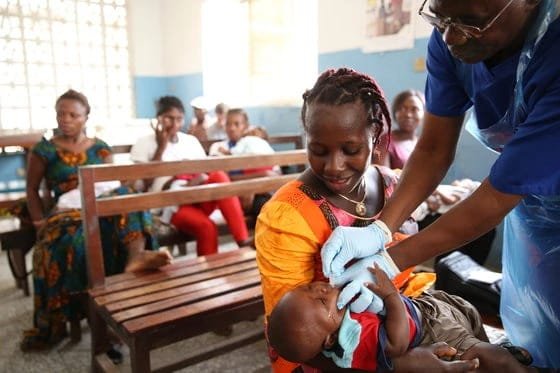
Report Reveals Preventable Child Mortality in Africa
A majority of child deaths linked to treatable infections, study shows
A landmark study by the Child Health and Mortality Prevention Surveillance (CHAMPS) Network reveals that most deaths among children under five in Africa and South Asia stem from preventable infections.
Supported by the Bill & Melinda Gates Foundation and implemented in Kenya by the Kenya Medical Research Institute (KEMRI), the study provides critical evidence and a roadmap for urgent health interventions.
Infections, Gaps in Care, and Missed Opportunities
Researchers examined 632 child deaths across seven high-burden sites using Minimally Invasive Tissue Sampling (MITS), a technique that diagnoses causes of death without full autopsies. They found that 86.9% of the deaths were related to infectious diseases, and over 82% were preventable.
Dr. Victor Akelo, Senior Director of Science and Implementation at CHAMPS and a lead researcher at KEMRI, explained that global health efforts had been struggling to explain the high under-five mortality rates despite increasing investments. “The missing link was understanding the actual causes of death,” he said. “That’s where MITS provided clarity—without needing full autopsies.”

Report Reveals Preventable Child Mortality in Africa
MITS collects small tissue samples using specialized needles, which are then analyzed in laboratories. The findings highlighted common causes of death such as malnutrition, HIV, malaria, birth defects, respiratory infections, and diarrheal diseases.


Alarmingly, several infections came from hospital settings. Pathogens like Klebsiella pneumoniae, Plasmodium falciparum, and Streptococcus pneumoniae—including Acinetobacter baumannii—were often picked up within healthcare facilities, exposing major lapses in hospital infection control.
“Some of these pathogens cause sepsis, pneumonia, and meningitis—and children acquire them right in our hospitals,” Dr. Akelo said. “Simple measures like routine sanitation, sterilizing equipment, and better staff training can prevent many of these cases.”
Voices from the Frontline
Dr. Akelo emphasized that the study is more than data—it’s a moral challenge. “We’ve mapped the problem. Now we need the will and resources to act.”
Kenya has made progress in malaria prevention through widespread use of treated bed nets and maternal treatment programs. With the rollout of malaria vaccines, there is optimism. However, challenges remain. In Siaya County, where CHAMPS is active, malaria continues to be a leading cause of child death.
Other infections—Plasmodium falciparum, Klebsiella, and Streptococcus pneumoniae—still pose grave threats. The first two can lead to cerebral malaria, severe anemia, pneumonia, and meningitis. Klebsiella, often hospital-acquired, puts already vulnerable patients at greater risk.
Dr. Isaac Kihurani, a pediatric specialist at Aga Khan University Hospital, spoke on the emotional toll such deaths take on medical professionals. “Even as doctors, we feel the loss. Everyone involved—nurses, doctors, caregivers—feels personally invested in the child’s survival.”
Dr. Aura Nzinga added, “We hold debriefs after each case to reflect on what could have been done better. We often recommend postmortems to give families closure.”

Report Reveals Preventable Child Mortality in Africa – Waihiga K. Muturi
When Data Meets Real Life
The numbers come alive in stories like that of Mama Baraka, whose viral TikTok videos document the loss of her 4-year-old son, Brylejones Baraka. Born with liver complications, Brylejones endured multiple hospital stays, a transplant, and a final infection that proved fatal. A postmortem found extensive organ damage and malignant tumors.
“I donated my liver and hoped for the best,” she shared online. “We tried everything. But in the end, God had other plans.” Her heartfelt videos—viewed over 500,000 times—have turned her page into both a digital memorial and a community of shared grief.
Time to Turn Research into Action
Both Dr. Kihurani and Dr. Nzinga stressed the importance of early intervention, especially for HIV-exposed infants. “We have clear protocols to prevent mother-to-child transmission—from managing viral loads to considering alternatives to breastfeeding,” Kihurani noted.
Nzinga highlighted the need for psychosocial care. “We work with psychologists to help families cope while ensuring the child receives the best possible care.”
Glow Naturally: How Healthy U is Redefining Beauty and Wellness
The CHAMPS study offers clarity. Now, the challenge is translating its findings into coordinated policy and action. “The data is there,” said Dr. Akelo. “What we need is action.”
This research challenges African governments, health institutions, and donors to make infection control routine, scale up preventive care, and commit to saving children from avoidable deaths.
In conclusion, the CHAMPS study shows that Africa’s child mortality crisis is not unsolvable. With the right focus, resources, and leadership, it can be reversed. The question now is not what we know—it’s what we choose to do with it.
By Waihiga K. Muturi
This article is part of an ongoing series on child health and innovation in Africa. Future editions will explore policy shifts and community-driven solutions.