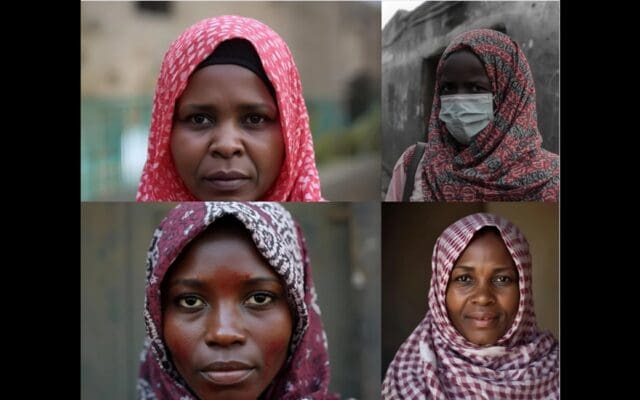
A recent investigation has implicated Kenyan President William Ruto and his administration in a deeply troubling labor-export system that endangers vulnerable Kenyans. According to reporting, the Kenyan government under Ruto effectively acts as an “arm of a staffing industry.” It facilitates the recruitment and export of workers — primarily poor women — to the Gulf. There, many face brutal abuse, exploitation, and even death.
Profiting from Labor Export
The investigation alleges that the Ruto government has rolled back critical worker protections to boost the business of labor export. Politicians, including members of Ruto’s inner circle and family, are accused of running recruitment agencies themselves, turning this into a lucrative enterprise.
Critics argue that the administration treats migration as a revenue-generating business. They claim that remittances are prioritized over the safety and dignity of its citizens. Indeed, remittances are a cornerstone of Kenya’s economy. This makes the labor-export industry politically and financially attractive to those in power.
Harsh Reality for Kenyan Women Abroad
Most of the workers sent overseas are domestic workers, especially to Saudi Arabia and other Gulf nations. Reports detail a litany of abuses: wage theft, forced overwork (often more than 16-hour days), restricted freedom, confiscation of passports, and denial of rest. Many workers recount physical and sexual assault, verbal abuse, and inhumane treatment.
– Advertisement –
Some recruitment websites allegedly commodify workers — showing photos of women with an “add to cart” button. This reduces them to tradable items, according to the investigation. Families back home are enticed by false promises of decent jobs and good pay. Sadly, their loved ones find themselves trapped in degrading, dangerous conditions.
Deaths, Embassies, and Diplomatic Failure
Hundreds of Kenyan women have reportedly died abroad under these conditions. The investigation raises alarming claims that when workers sought help, Kenyan diplomats and the Foreign Ministry failed them. Some families say they had to pay to bring their deceased relatives home. Others report being pressured into demeaning or abusive transactions.
Systemic Incentives & Corrupt Structures
The Ruto administration is accused of institutionalizing the labor-export trade: weakening protections, tolerating profit-driven recruitment, and offering little accountability. Recruitment agencies tied to political elites allegedly benefit directly from this system. These connections create perverse incentives to continue exporting workers rather than investing in domestic job creation.
At the same time, diplomatic missions in receiving countries appear overwhelmed or complicit. They are failing to protect migrant workers. Critics argue that the Kafala sponsorship system in many Gulf states — which ties workers’ legal status to their employers — exacerbates their vulnerability.
Response from the Government
In response to the allegations, Kenya’s presidential spokesman Hussein Mohamed said that asking families to “chip in” for body repatriation is sometimes necessary. This is because the ministry cannot afford all costs. That explanation has sparked outrage. Many say it underscores a deeper moral failure: a state that profits from sending its people abroad yet abdicates responsibility when tragedy strikes.
International and Domestic Pressure
Human rights groups, including Amnesty International, are calling for a thorough overhaul of Kenya’s labor-migration policy. They advocate for ethical recruitment and stronger protections for migrant workers.
Amnesty’s report “Locked In, Left Out” exposes how deceptive recruitment agents lure women with false promises. Upon arrival abroad, they face broken contracts, overwork, abuse, and isolation.
There is growing pressure on the Kenyan government to investigate and prosecute corrupt officials. Activists demand that recruitment agencies be held accountable. They want remittances to come without the cost of human lives.
Why This Matters
This story raises urgent ethical and policy questions:
- To what extent is the state complicit in labor trafficking when it profits directly?
- Can Kenya balance economic gains from remittances with meaningful protection for its citizens abroad?
- What reforms are needed to ensure that labor-export is not synonymous with exploitation?
For many Kenyans, the dream of working abroad has become a nightmare: exploited, isolated, and ignored by the very government that sent them. If these allegations hold true, the Ruto administration faces a reckoning over how it values its most vulnerable citizens.