

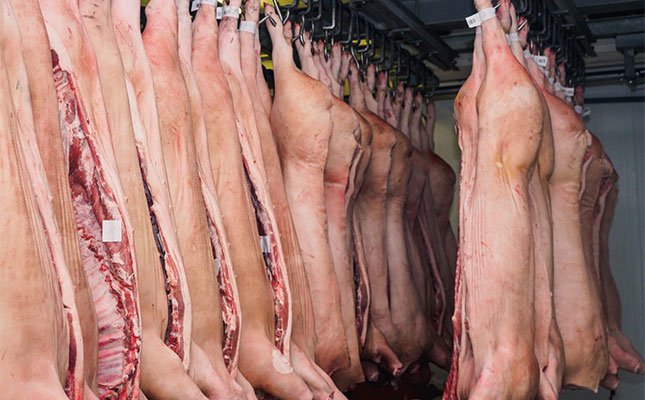
South Africa’s pork industry is beginning to see tangible progress in the fight against foot-and-mouth disease (FMD) and African swine fever (ASF), with new regulatory amendments, vaccine roll-outs and additional abattoir approvals helping to stabilise the sector.


– ADVERTISEMENT –
While disease outbreaks have placed pressure on producers and pushed pork prices higher over the past year, the South African Pork Producers’ Organisation (SAPPO) says several recent developments are strengthening the industry’s ability to manage outbreaks and keep pork flowing through the formal supply chain.
In its latest update issued on 4 March, SAPPO highlighted improvements in disease management, vaccine availability and slaughter capacity, describing them as important steps toward restoring stability in the industry.
Outbreaks remain under control
According to SAPPO, a total of 10 confirmed or suspected FMD cases in pigs have been reported across four provinces since November 2025. These include two cases in the Free State, four in North West, three in KwaZulu-Natal and one in the Eastern Cape. All affected farms remain under strict official veterinary supervision in accordance with the Animal Diseases Act and national disease-control protocols.
SAPPO indicated that no additional cases have been reported beyond the previously identified outbreaks, and that the affected sites remain under controlled management.
ASF has also been detected in a limited geographic area north-east of Pretoria, where five outbreaks have been confirmed since November last year.
SAPPO said it is working closely with provincial veterinary services and national authorities to finalise slaughter and culling measures at the affected sites as part of efforts to contain the disease.
Despite the outbreaks, the organisation emphasised that pork from formal supply chains remains safe for human consumption. Both FMD and ASF affect animals only and cannot be transmitted to humans.
Pork sold through registered abattoirs and formal retail channels undergoes strict veterinary inspection, including ante- and post-mortem examinations, pathogen testing where required, and compliance with hygiene standards under the Agricultural Product Standards Act.
SAPPO stressed that these safeguards ensure that pork entering the regulated supply chain poses no risk to consumers.
Regulatory amendments ease pressure on producers
One of the most significant developments for the industry is the recent amendment to controlled-slaughter regulations, published on 25 February 2026. The changes introduce greater flexibility for producers once three months have passed since the initial detection of an outbreak, commonly referred to as ‘Day Zero’.
Under the amended regulations, controlled slaughter can now take place at any registered non-export abattoir rather than only at specifically designated facilities. In addition, the slaughter process has been simplified. While meat maturation requirements remain in place, additional steps such as mandatory deboning have been removed.
SAPPO said these adjustments will help reduce logistical bottlenecks and make it easier for producers in affected areas to move pigs through the formal slaughter system.
The organisation is also funding research into how long the FMD virus persists in pig tissues. The findings could help refine controlled-slaughter timelines in future and potentially shorten waiting periods, reducing the commercial impact of outbreaks.
Vaccine roll-out gathers pace
Progress on vaccine availability is also providing encouragement for producers. Both the Dollvet FMD vaccine from Turkey and the Biogénesis Bagó FMD vaccine from Argentina are registered for use in pigs elsewhere in the world and are therefore likely to be approved for use in pigs here.
Mid-February saw the arrival of the first shipment of FMD vaccines from Biogénesis Bagó in South Africa. These vaccines were swiftly distributed to provinces to support disease control programmes. SAPPO confirmed the recent arrival of 1,5 million doses of the Dollvet vaccine with further consignments on the way.
Distribution is being coordinated through provincial veterinary services, with SAPPO assisting to support the roll-out where necessary.
The arrival of these vaccines is widely seen as a crucial step in strengthening South Africa’s response to FMD and improving the ability of veterinary authorities to contain outbreaks.
More abattoirs gain FMD designation
Another positive development for the sector is the growing number of abattoirs authorised to handle pigs from controlled areas. Two abattoirs in KwaZulu-Natal have already received official FMD designation, enabling them to process pigs under controlled slaughter conditions.
Additional facilities are currently progressing through the approval process.
SAPPO said it continues to work closely with authorities to accelerate these designations in order to maintain slaughter capacity and prevent bottlenecks in the pork supply chain. Increasing the number of approved abattoirs is expected to play an important role in ensuring that pigs from affected areas can still enter the formal market.
Market impact still being felt
Despite the progress, the disease outbreaks have had a measurable impact on pork production and prices.
Industry data shows that carcass prices rose by roughly 26% between late May 2025 and late January 2026 as disease-related disruptions tightened supply.
During that period, baconer prices climbed to about R40,38/kg, porker prices increased to R40,99/kg, and sausage pig prices reached around R31,30/kg.
Even relatively small disruptions to supply can have a noticeable effect on pork prices. With roughly 72 000 pigs slaughtered each week in South Africa’s formal sector, the loss of several thousand animals due to mortality, culling or movement restrictions can quickly tighten supply and push prices upward.
In some cases, outbreaks have resulted in mortality rates of up to 20% among young pigs, along with breeding stock losses and temporary restrictions on slaughter access. These factors have constrained production in certain regions, with the effects expected to continue for several weeks as herds recover.
Consumers adjust to higher prices
Higher pork prices have also influenced consumer purchasing patterns. Retail data suggests that pork sales volumes in formal channels have declined by between 10% and 15% since early 2026, as cost-conscious households shift toward cheaper protein options such as chicken or beef.
Total meat demand, however, has remained relatively stable.
Producers and retailers say promotional pricing and smaller packaging options have helped maintain some consumer demand, although they have not fully offset the decline in volumes.
Welcome signs of recovery emerging
Despite the challenges, SAPPO believes the sector is making meaningful progress in strengthening its response to disease outbreaks. The combination of improved regulations, expanded abattoir capacity, ongoing vaccine deliveries and collaboration between industry and government is expected to improve disease management and support the recovery of production.
While supply constraints and price pressures may persist in the short term, the recent developments point to a more resilient pork industry as disease-control measures continue to improve.



