


• Business
  • Markets
  • Politics
  • Crypto
  • Finance
  • Intelligence
    • Policy Intelligence
    • Security Intelligence
    • Economic Intelligence
    • Fashion Intelligence
  • Energy
  • Technology
  • Taxes
  • Creator Economy
  • Wealth Management
  • LBNN Blueprints
  • Business
  • Markets
  • Politics
  • Crypto
  • Finance
  • Intelligence
    • Policy Intelligence
    • Security Intelligence
    • Economic Intelligence
    • Fashion Intelligence
  • Energy
  • Technology
  • Taxes
  • Creator Economy
  • Wealth Management
  • LBNN Blueprints
Home Telecoms

No More “Forgot Password”: Passkeys Are Rewriting Digital Trust

Simon Osuji by Simon Osuji
February 20, 2026
in Telecoms
0
No More “Forgot Password”: Passkeys Are Rewriting Digital Trust
0
SHARES
1
VIEWS
Share on FacebookShare on Twitter


Passkeys


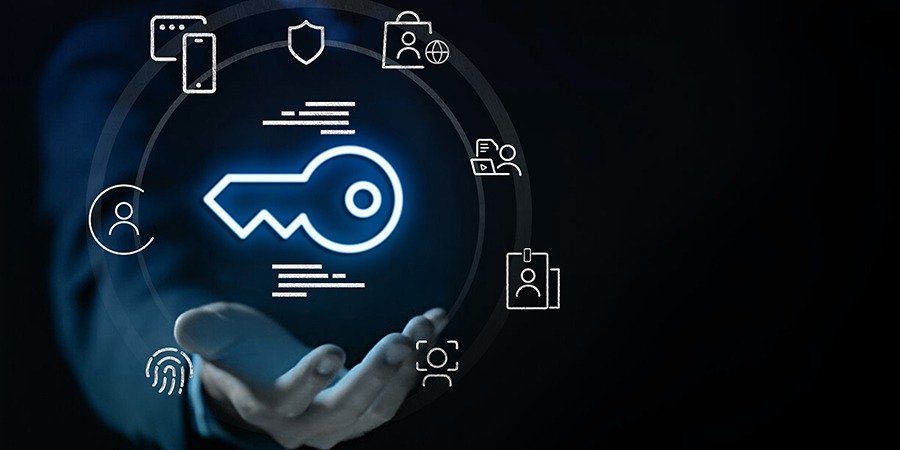
Passkeys are transforming how we secure digital identities, moving authentication away from fragile, easily stolen passwords toward device-bound cryptographic security.

Passwords have long been the weakest link in digital security, vulnerable to breaches, phishing, and credential stuffing. Passkeys, built on FIDO2 and WebAuthn standards and recommended by NIST, replace shared secrets with asymmetrical cryptography tied to a user’s device.

Google recently surpassed 1 billion passkey authentications across 400 million accounts, reporting that passkeys are 50% faster and 30% more successful than traditional passwords. Retail giant Amazon has seen similar momentum, with 175 million customers adopting the technology to sign in six times faster than before.

Microsoft’s passkey sign-ins show a 98% success rate (vs. 32% for passwords) and are up to eight times faster than password and MFA flows. Nearly 1 million passkeys are registered daily.

As 87% of businesses now prioritize passkey deployment, the era of the “forgotten password” is being replaced by a hardware-backed trust model that makes digital life both easier to access and harder to hack. By reducing reliance on passwords, passkeys not only improve security but also enhance usability, marking a standards-driven evolution in how trust is established across the internet.


Source link

Previous Post

Zero-waste economy: Foundation urges methane cut, plastic reduction – EnviroNews

Next Post

Google says its AI systems helped deter Play Store malware in 2025

Next Post
Google says its AI systems helped deter Play Store malware in 2025

Google says its AI systems helped deter Play Store malware in 2025

Leave a Reply Cancel reply

Your email address will not be published. Required fields are marked *

POPULAR NEWS

  • Mahama attends Liberia’s 178th independence anniversary

    Mahama attends Liberia’s 178th independence anniversary

    0 shares
    Share 0 Tweet 0
  • Ghana to build three oil refineries, five petrochemical plants in energy sector overhaul

    0 shares
    Share 0 Tweet 0
  • The world’s top 10 most valuable car brands in 2025

    0 shares
    Share 0 Tweet 0
  • Top 10 African countries with the highest GDP per capita in 2025

    0 shares
    Share 0 Tweet 0
  • Global ranking of Top 5 smartphone brands in Q3, 2024

    0 shares
    Share 0 Tweet 0

Get strategic intelligence you won’t find anywhere else. Subscribe to the Limitless Beliefs Newsletter for monthly insights on overlooked business opportunities across Africa.

Subscription Form

© 2026 LBNN – All rights reserved.

Privacy Policy | About Us | Contact

Tiktok Youtube Telegram Instagram Linkedin X-twitter
No Result
View All Result
  • Home
  • Business
  • Politics
  • Markets
  • Crypto
  • Economics
    • Manufacturing
    • Real Estate
    • Infrastructure
  • Finance
  • Energy
  • Creator Economy
  • Wealth Management
  • Taxes
  • Telecoms
  • Military & Defense
  • Careers
  • Technology
  • Artificial Intelligence
  • Investigative journalism
  • Art & Culture
  • LBNN Blueprints
  • Quizzes
    • Enneagram quiz
  • Fashion Intelligence

© 2026 JNews - Premium WordPress news & magazine theme by Jegtheme.