
• Business
  • Markets
  • Politics
  • Crypto
  • Finance
  • Intelligence
    • Policy Intelligence
    • Security Intelligence
    • Economic Intelligence
    • Fashion Intelligence
  • Energy
  • Technology
  • Taxes
  • Creator Economy
  • Wealth Management
  • LBNN Blueprints
  • Business
  • Markets
  • Politics
  • Crypto
  • Finance
  • Intelligence
    • Policy Intelligence
    • Security Intelligence
    • Economic Intelligence
    • Fashion Intelligence
  • Energy
  • Technology
  • Taxes
  • Creator Economy
  • Wealth Management
  • LBNN Blueprints

Nigeria stops state-owned oil firm from revenue collection, directs funds to state account

Simon Osuji by Simon Osuji
February 19, 2026
in Energy
0
Nigeria stops state-owned oil firm from revenue collection, directs funds to state account
0
SHARES
1
VIEWS
Share on FacebookShare on Twitter


Africa’s top oil producer, Nigeria, has stopped its state-owned oil firm, NNPC Limited, from collecting and retaining oil and gas revenues, directing that all proceeds be paid into the federation account.

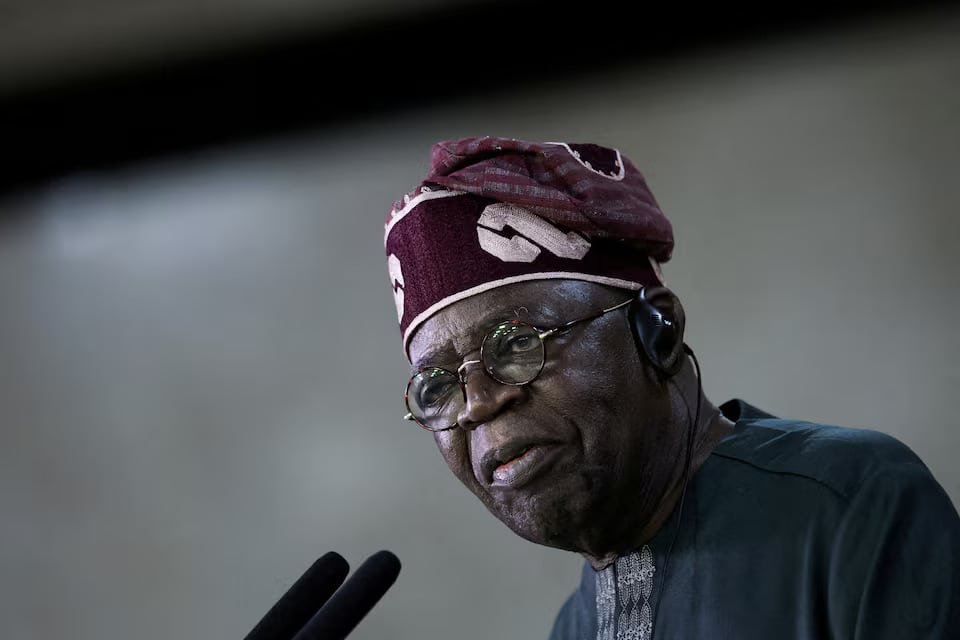
In a statement released by the nation’s State House on Wednesday, President Bola Tinubu signed an executive order as part of reforms aimed at strengthening public finances and easing pressure on federal, state and local governments.

Related posts

Nigeria’s electricity grid collapse crisis needs more than a $2.6 billion bailout

Nigeria’s electricity grid collapse crisis needs more than a $2.6 billion bailout

February 18, 2026
Abo FPSO after 23 years: A look inside Nigeria’s first deepwater asset

Abo FPSO after 23 years: A look inside Nigeria’s first deepwater asset

February 18, 2026

Under existing law, NNPC Limited retains 30% of oil and gas profits for frontier exploration in inland basins.

Those funds will now be paid into the federation account and appropriated by the government through the budget process.

NNPC also keeps 30% of oil and gas sales as operational costs and receives 30% of proceeds from Production Sharing Contracts. Under the new directive, all revenues from these arrangements will flow directly into the federation account, while the company will receive appropriated management fees instead.

The deductions previously enabled by law had sharply reduced net oil inflows. It added that the practice contributed to fiscal strain across the three tiers of government.

The changes are intended to ensure that “all oil and gas revenues due to the Federation are paid into the Federation Account without deduction.”

What changes for NNPC and regulators

Beyond NNPC, the directive also affects Nigeria’s oil sector regulators.

Royalty payments, Petroleum Profit Taxes and other statutory revenues previously collected and retained by the Nigerian Upstream Petroleum Regulatory Commission (NUPRC) will now be paid directly into the federation account.

Track Africa’s energy trends as they emerge

Get exclusive insights across renewables, oil & gas, and infrastructure to stay informed and make smarter decisions.

The Nigerian Midstream and Downstream Petroleum Regulatory Authority (NMDPRA) will also remit its revenues in full. Its cost of collection will be funded through appropriation rather than deductions from gross revenue.

In addition, the President ordered a review of the law to align it with the new fiscal direction. An implementation committee has been established to enforce the changes and oversee compliance across the agencies.

The federation account is the central pool into which revenues collected by the Federal Government are paid. Funds from the account are shared monthly among the Federal Government, 36 states and 774 local government areas based on a revenue allocation formula.

Oil revenues account for a large share of government income, making the management of inflows central to public spending and debt obligations.

Why government moved to centralise oil revenues

The previous retention structures reduced the amount of oil revenue available for distribution. Hence, federal, state and local governments often faced shortfalls despite crude production levels.

NNPC’s retention of 30% for frontier exploration was introduced under the Petroleum Industry Act of 2021 (PIA 2021) to fund oil searches in inland basins. However, the new order centralises all earnings before any spending is approved through the national budget.

Similarly, regulators previously deducted operational expenses from the revenues they collected. Under the new framework, those expenses will be funded through appropriated allocations.

Therefore, oil revenue will now enter the federation account in full before any disbursement. The move comes as Nigeria continues efforts to strengthen revenue collection and manage fiscal pressures linked to debt servicing and public expenditure.

By directing all agencies to remit earnings directly, the government said it aims “to improve transparency and ensure clearer tracking” of oil income. In short, the reform removes retention powers previously granted to NNPC and other oil sector regulators.



Source link

Previous Post

Back to school at Armed Forces Day

Next Post

Equity Bank Diaspora Banking: Transform Income into Wealth

Next Post
Equity Bank Diaspora Banking: Transform Income into Wealth

Equity Bank Diaspora Banking: Transform Income into Wealth

Leave a Reply Cancel reply

Your email address will not be published. Required fields are marked *

RECOMMENDED NEWS

The Best Down Comforter Deals for Winter Nights (2025)

The Best Down Comforter Deals for Winter Nights (2025)

2 months ago
Big Tech’s New Adversaries in Europe

Big Tech’s New Adversaries in Europe

1 year ago
Dorper breeding on an upward trajectory in Zimbabwe

Dorper breeding on an upward trajectory in Zimbabwe

2 months ago
Marrakech Joins Delta’s Growing Global Network: New Direct Route from Atlanta Opens Gateway to Morocco

Marrakech Joins Delta’s Growing Global Network: New Direct Route from Atlanta Opens Gateway to Morocco

4 months ago

POPULAR NEWS

  • Ghana to build three oil refineries, five petrochemical plants in energy sector overhaul

    Ghana to build three oil refineries, five petrochemical plants in energy sector overhaul

    0 shares
    Share 0 Tweet 0
  • The world’s top 10 most valuable car brands in 2025

    0 shares
    Share 0 Tweet 0
  • Top 10 African countries with the highest GDP per capita in 2025

    0 shares
    Share 0 Tweet 0
  • Global ranking of Top 5 smartphone brands in Q3, 2024

    0 shares
    Share 0 Tweet 0
  • When Will SHIB Reach $1? Here’s What ChatGPT Says

    0 shares
    Share 0 Tweet 0

Get strategic intelligence you won’t find anywhere else. Subscribe to the Limitless Beliefs Newsletter for monthly insights on overlooked business opportunities across Africa.

Subscription Form

© 2026 LBNN – All rights reserved.

Privacy Policy | About Us | Contact

Tiktok Youtube Telegram Instagram Linkedin X-twitter
No Result
View All Result
  • Home
  • Business
  • Politics
  • Markets
  • Crypto
  • Economics
    • Manufacturing
    • Real Estate
    • Infrastructure
  • Finance
  • Energy
  • Creator Economy
  • Wealth Management
  • Taxes
  • Telecoms
  • Military & Defense
  • Careers
  • Technology
  • Artificial Intelligence
  • Investigative journalism
  • Art & Culture
  • LBNN Blueprints
  • Quizzes
    • Enneagram quiz
  • Fashion Intelligence

© 2023 LBNN - All rights reserved.