• Business
  • Markets
  • Politics
  • Crypto
  • Finance
  • Intelligence
    • Policy Intelligence
    • Security Intelligence
    • Economic Intelligence
    • Fashion Intelligence
  • Energy
  • Technology
  • Taxes
  • Creator Economy
  • Wealth Management
  • LBNN Blueprints
  • Business
  • Markets
  • Politics
  • Crypto
  • Finance
  • Intelligence
    • Policy Intelligence
    • Security Intelligence
    • Economic Intelligence
    • Fashion Intelligence
  • Energy
  • Technology
  • Taxes
  • Creator Economy
  • Wealth Management
  • LBNN Blueprints

Nigeria renews commitment to eliminate malaria by 2030 – EnviroNews

Simon Osuji by Simon Osuji
April 26, 2025
in Technology
0
Nigeria renews commitment to eliminate malaria by 2030 – EnviroNews
0
SHARES
2
VIEWS
Share on FacebookShare on Twitter

– Advertisement –

The Federal Government has reaffirmed its determination to eliminate malaria in Nigeria by 2030.
Iziaq Adekunle SalakoIziaq Adekunle Salako
Dr Iziaq Adekunle Salako, Minister of State for Health and Social Welfare

The country continues to bear the heaviest malaria burden globally, accounting for 27 per cent of cases and 31 per cent of deaths, according to the 2024 World Malaria Report.

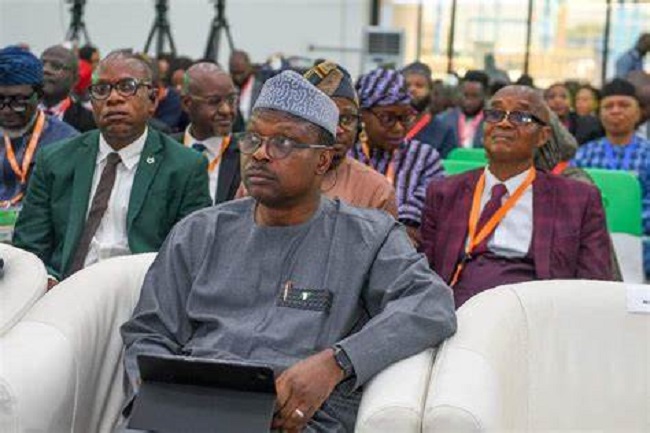
Addressing newsmen at a roundtable discussion held to mark the 2025 World Malaria Day on Friday, April 25, in Abuja, the Minister of State for Health and Social Welfare, Dr Iziaq Salako, described malaria as a persistent threat to public health and economic stability.

“Malaria is often underestimated, yet it continues to wreak havoc, particularly among children under five and pregnant women.

“Our response must be aggressive, focused, and sustained,” he said.

The event is with theme:”Malaria Ends with Us: Reinvest, Reignite, Reimagine”.

Highlighting new interventions, the minister said that the malaria vaccine rollout – initiated in December 2024 in Kebbi and Bayelsa States – will be expanded to 17 more states this year, targeting children aged five to 23 months.

Furthermore, he said insecticide-treated nets would be distributed in 12 states, including Akwa Ibom, Kaduna, and Oyo, while over 30 million children across 21 northern states would benefit from Seasonal Malaria Chemoprevention (SMC).

He also announced the pilot of Larval Source Management, a vector control strategy in six states, including Lagos, Ekiti, and Borno, in efforts to disrupt mosquito breeding grounds.

He addressed the disruption in malaria intervention services caused by the “Stop Work Order” from the United States Government, which froze USAID/PMI activities.

He said that the Nigerian government made budgetary provisions to bridge funding gaps and ensure uninterrupted delivery of life-saving commodities, such as ACTs, RDT kits, and injectable artesunate.

He said the government plans to conduct both a Rapid Impact Assessment and a Malaria Indicator Survey to better evaluate progress and inform policy decisions.

The minister said that the role of the private sector through partnerships with entities like the Nigeria End Malaria Council, chaired by Alhaji Aliko Dangote, urged businesses to contribute funding and technical support to sustain the fight.

He paid tribute to frontline health workers and media professionals for their crucial roles in awareness and service delivery.

He also expressed gratitude to partners such as the Global Fund, WHO, UNICEF, and Malaria Consortium for their unwavering support.

“This is a national emergency, and our response must reflect that reality.

“Malaria ends with us. Everyone, government, communities, private sector, and individuals, must take ownership,” he said.

He encouraged Nigerians to use treated nets, maintain clean environments, seek early diagnosis and treatment, and remain committed to the collective goal of a malaria-free Nigeria.

Malaria is a life-threatening infectious disease caused by parasites of the Plasmodium species. It is transmitted to humans through the bites of infected female Anopheles mosquitoes.

The disease affects red blood cells and can cause symptoms such as fever, chills, headache, fatigue, and muscle aches. Severe malaria can lead to complications like organ failure, anaemia, and death if not treated promptly.

Malaria is most common in tropical and subtropical regions, particularly in sub-Saharan Africa, where it poses a significant public health challenge.

The disease is preventable and treatable, with interventions such as insecticide-treated mosquito nets, antimalarial medications, and malaria vaccines being key tools in controlling its spread.

The World Malaria Day 2025, themed “Malaria Ends with Us: Reinvest, Reimagine, Reignite”, serves as a call to action against one of Nigeria’s deadliest diseases.

By Abujah Racheal

Source link

Related posts

Nigeria’s Carbon Market Framework: From aspiration to infrastructure – EnviroNews

Nigeria’s Carbon Market Framework: From aspiration to infrastructure – EnviroNews

February 2, 2026
AfDB approves $3.9m to help nations turn energy compacts into power connections – EnviroNews

AfDB approves $3.9m to help nations turn energy compacts into power connections – EnviroNews

February 2, 2026
Previous Post

2.5 Million Tonnes Per Annum (MTPA) in Gas Output Feasible for Namibia, Says the National Petroleum Corporation of Namibia (NAMCOR)

Next Post

Russia Says Retook Kursk From Ukraine With North Korean Help

Next Post
Russia Says Retook Kursk From Ukraine With North Korean Help

Russia Says Retook Kursk From Ukraine With North Korean Help

Leave a Reply Cancel reply

Your email address will not be published. Required fields are marked *

RECOMMENDED NEWS

META Stock Gets Underperform Rating as Wall Street is Divided

META Stock Gets Underperform Rating as Wall Street is Divided

1 year ago
Nigeria Acquires 43 Turkish Drones to Enhance Security

Nigeria Acquires 43 Turkish Drones to Enhance Security

1 year ago
De-Dollarization Will Continue Faster Under Trump’s Watch

De-Dollarization Will Continue Faster Under Trump’s Watch

1 year ago
Biovac Officially Opens a New Product Development Facility to Manufacture End to End African-Made Vaccines

Biovac Officially Opens a New Product Development Facility to Manufacture End to End African-Made Vaccines

3 months ago

POPULAR NEWS

  • Ghana to build three oil refineries, five petrochemical plants in energy sector overhaul

    Ghana to build three oil refineries, five petrochemical plants in energy sector overhaul

    0 shares
    Share 0 Tweet 0
  • The world’s top 10 most valuable car brands in 2025

    0 shares
    Share 0 Tweet 0
  • Top 10 African countries with the highest GDP per capita in 2025

    0 shares
    Share 0 Tweet 0
  • Global ranking of Top 5 smartphone brands in Q3, 2024

    0 shares
    Share 0 Tweet 0
  • When Will SHIB Reach $1? Here’s What ChatGPT Says

    0 shares
    Share 0 Tweet 0

Get strategic intelligence you won’t find anywhere else. Subscribe to the Limitless Beliefs Newsletter for monthly insights on overlooked business opportunities across Africa.

Subscription Form

© 2026 LBNN – All rights reserved.

Privacy Policy | About Us | Contact

Tiktok Youtube Telegram Instagram Linkedin X-twitter
No Result
View All Result
  • Home
  • Business
  • Politics
  • Markets
  • Crypto
  • Economics
    • Manufacturing
    • Real Estate
    • Infrastructure
  • Finance
  • Energy
  • Creator Economy
  • Wealth Management
  • Taxes
  • Telecoms
  • Military & Defense
  • Careers
  • Technology
  • Artificial Intelligence
  • Investigative journalism
  • Art & Culture
  • LBNN Blueprints
  • Quizzes
    • Enneagram quiz
  • Fashion Intelligence

© 2023 LBNN - All rights reserved.