

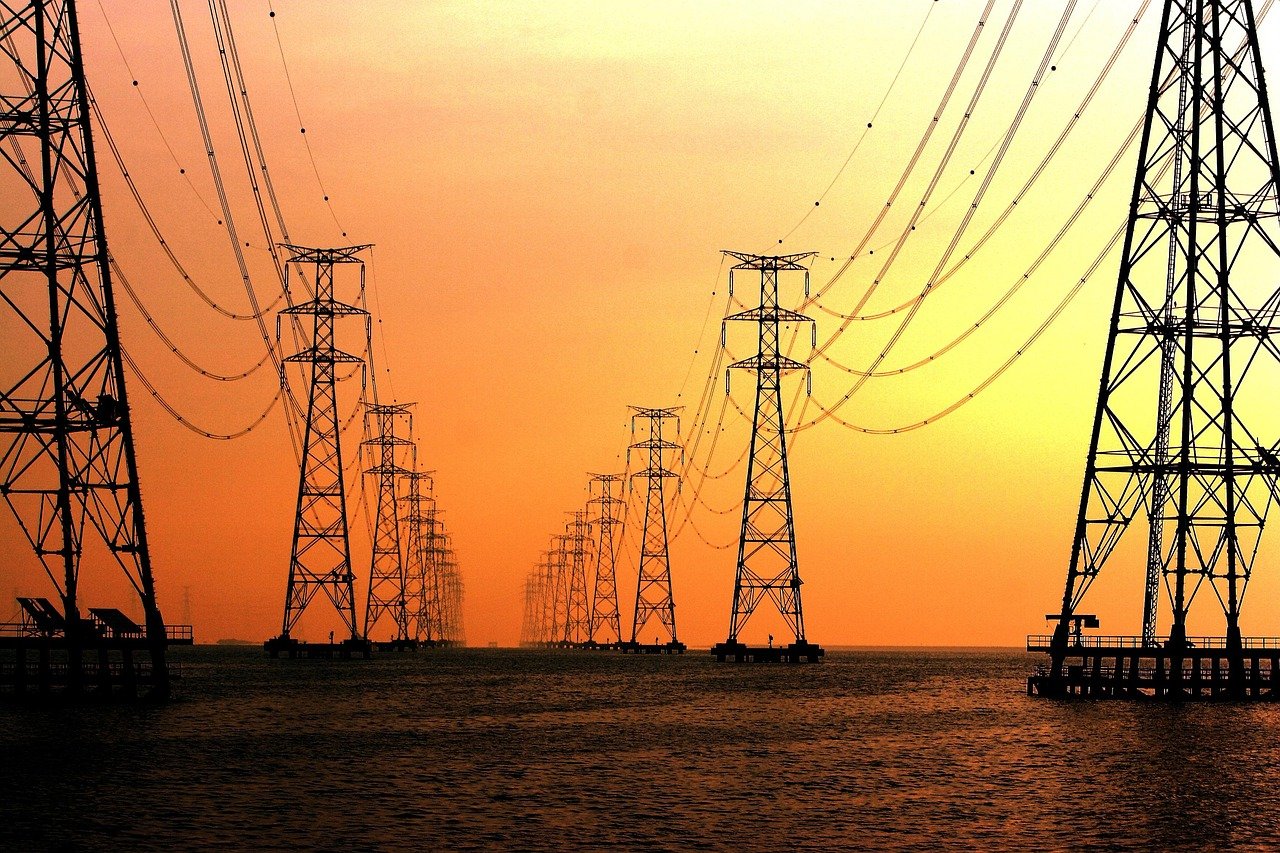
A Federal High Court in Lagos, Nigeria has taken control of Ikeja Electricity Distribution Company (IKEDC) and KEPCO Energy Resources, two major players in the country’s power sector, adding to worries about the industry’s financial troubles.
KEPCO Energy owns a 70% ownership stake of Egbin Power, Nigeria’s biggest electricity generation company, while Ikeja Electric is a distribution company in charge of distributing electricity to some areas of Nigeria’s most populous city, Lagos.

The Court’s decision, confirmed by Justice Akintayo Aluko, comes after a consortium of 12 creditor banks including Zenith Bank, UBA, FCMB, Union Bank, Sterling Bank, Fidelity Bank, Ecobank, Access Bank, Keystone Bank, First Bank, First Trustees, and FBNQuest Merchant Bank, sought to enforce debts owed by the companies through receivership proceedings.
Justice Aluko ordered banks and regulators to freeze the companies’ assets and accounts and approved the appointment of Kunle Ogunba as Receiver/Manager, based on a 2013 agreement.
The court’s decision comes as the sector faces a cash crisis estimated at N2 trillion ($1.31 billion).
Six out of Nigeria’s 11 electricity distribution firms are now under receivership.
Many of the companies were bought using loans after the 2013 privatisation. Now, banks are focusing on recovering debts instead of lending more money.
This raises concerns about the future of private investment in the sector, especially for upgrading the country’s aging power grid and adding renewable energy.
The court’s move has sparked fresh debate about how Nigeria’s electricity market is set up, the role of government support, and whether private companies can still succeed in the sector.
While private companies have been generating billions of naira for the economy, their ability to keep businesses thriving has not fared better.
Presidential moves to fix power sector woes
Earlier last month, Nigeria’s president, Bola Ahmed Tinubu met with senior executives of Nigeria’s power generation companies (GENCOs) as part of efforts to resolve long-standing sector debts and unlock investment in generation capacity and electricity access.
At the meeting, President Tinubu announced the launch of the Presidential Power Sector Bond Programme, designed to settle verified legacy and recent debts owed to GENCOs and restore liquidity across the electricity value chain.
As part of this process, the government has been actively engaging with 27 GENCOs to review Power Purchase Agreements (PPAs), Gas Supply Agreements (GSAs), and validate outstanding claims.
Despite private sector debts, investor confidence hasn’t fully worn off as Pacific Energy has completed construction of its 1,250 MW Ajebamidele gas-fired power plant.


