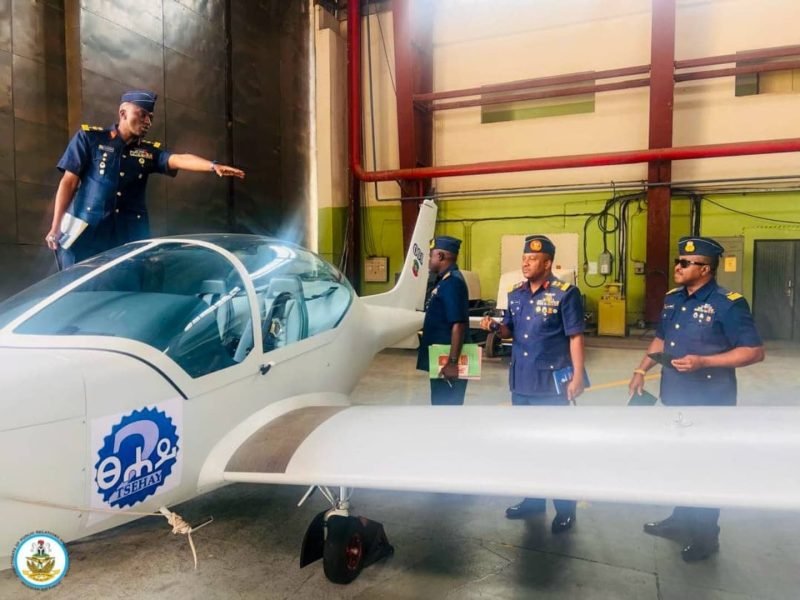
In early July 2025, a delegation from the Nigerian Air Force (NAF), led by Air Commodore Ali Hussaini Idris, embarked on a three-day visit to the Ethiopian Air Force (FDRE AF) from July 1 to July 3. This engagement marked a meaningful step toward deepening defence ties between the two nations and fostering African-led solutions in aerospace technology.
The Nigerian team toured several key Ethiopian institutions, including the FDRE Air Force Headquarters, the Aviation Depot Maintenance Centre (ADMC), Dejen Aviation Engineering Industry (DAVI), and the Air Force Academy. The timing of the visit aligned with Ethiopia’s preparations for the 90th anniversary of its military aviation, an event that reflects the country’s longstanding history in the field. The discussions during this visit centred on practical ways to enhance technical cooperation.
One key area of focus was Ethiopia’s proven ability to overhaul L-39 jets and Mi-series helicopters, platforms commonly used across African air forces for training and operational purposes. Beyond maintenance, the talks explored broader opportunities for collaboration, including the exchange of doctrinal knowledge and the establishment of joint programs. These programs encompassed pilot and technician training, collaborative research efforts, and an ambitious plan to co-develop a fully indigenous African Unmanned Aerial Vehicle (UAV).
To further solidify this partnership, the NAF invited Ethiopian commanders to train at Nigerian facilities, including the Air Warfare and Doctrine Centre and the Air War College, with the aim of building shared expertise and enhancing interoperability between the two forces. Nigeria brings considerable experience to this collaboration, particularly in the realm of UAV development. The NAF has already made notable progress in producing its drones, a testament to the country’s push to create military equipment domestically and reduce dependence on foreign suppliers.
Among its achievements is the Tsaigumi UAV, one of the first drones developed by the Nigerian Air Force. This was followed by the creation of a rifle-armed hexacopter, a versatile platform designed for specific operational needs. More recently, in partnership with Briech UAS, Nigeria introduced the Damisa attack drone, a kamikaze-style UAV built for combat missions. These advancements showcase Nigeria’s growing expertise in unmanned systems, positioning it as a leader in this field among African nations. Ethiopia, meanwhile, is carving out its path in drone technology with a focus on manufacturing. The country has established SkyWin Aeronautics Industries, a state-run facility in Addis Ababa dedicated to producing drones for both civilian and military purposes.

According to NTU Singapore, this facility is designed to manufacture a range of unmanned systems, including those for intelligence, surveillance, defence, and offensive operations. The drones produced at SkyWin are intended to serve Ethiopia’s domestic needs while also targeting international markets, reflecting an ambitious vision for the country’s aerospace industry. This investment in mass production complements Nigeria’s operational experience, laying the groundwork for a partnership that could combine the strengths of both nations. The idea of co-producing an indigenous African UAV emerged as a centrepiece of the discussions, driven by a shared goal of harnessing local capabilities to meet the continent’s security and technological needs.
Ethiopia is no stranger to drone technology. The country already operates a diverse fleet of UAVs from international suppliers, including Israeli Bluebird Aerosystems, Chinese CH-4, and Iranian Mohajer-6 models. These systems have played a key role in Ethiopia’s defence strategy, particularly in addressing internal security challenges.
In 2022, the nation’s drone capabilities drew attention when Tigray People’s Liberation Front (TPLF) leader Getachew Reda alleged that the United Arab Emirates was supporting Ethiopian forces with armed drones from its base in Assab, Eritrea. While these claims highlighted the strategic importance of drones in regional conflicts, Ethiopia’s new manufacturing initiative aims to shift the narrative toward self-reliance.
For Nigeria, with its established track record in deploying homegrown drones, and Ethiopia, with its emerging manufacturing infrastructure, this collaboration offers a chance to create a UAV tailored to African contexts. Such a project would not only enhance the defence capabilities of both nations but also demonstrate the potential for African countries to work together on advanced technology initiatives. Air Marshal Hasan Bala Abubakar, Chief of the Air Staff of the Nigerian Air Force, captured the broader vision behind this partnership, stating, “Such engagements underscore the NAF’s unwavering commitment to enhancing intra-African cooperation, fostering indigenous capabilities, and boosting operational effectiveness through strategic alliances.” His words reflect a growing recognition that collaboration is key to unlocking Africa’s aerospace potential.
By pooling resources, expertise, and innovation, Nigeria and Ethiopia aim to move beyond reliance on external partners and build a foundation for self-sufficiency in defence technology. This partnership carries implications far beyond the immediate goal of UAV co-production. It represents a model of how African nations can address shared challenges through cooperation, leveraging their strengths to achieve collective progress. The exchange of training opportunities, for instance, ensures that both air forces can learn from each other, improving their ability to operate jointly in the future. Meanwhile, the focus on indigenous development signals a shift toward solutions that are designed and produced within Africa, reducing the financial and logistical burdens of importing foreign equipment.
The road ahead will require both nations to navigate practical challenges, such as securing funding and aligning their technological and industrial capacities. Yet, the commitment shown during this visit, coupled with their existing achievements, suggests a strong foundation for success. If realised, the co-production of an African UAV could inspire similar efforts across the continent, encouraging other countries to join in collaborative ventures. Beyond military applications, the technology developed through this partnership could find uses in civilian sectors, such as agriculture or disaster management, amplifying its impact on African development. The engagement between the Nigerian and Ethiopian air forces from July 1 to July 3, 2025, is more than a bilateral exchange—it is a statement of intent.
By working together to advance UAV technology, these two nations are laying the groundwork for a new era of African aerospace innovation. Their efforts reflect a shared belief that the continent’s future lies in its ability to harness its talent and resources, creating solutions that are not only practical but also uniquely African in their design and purpose.