

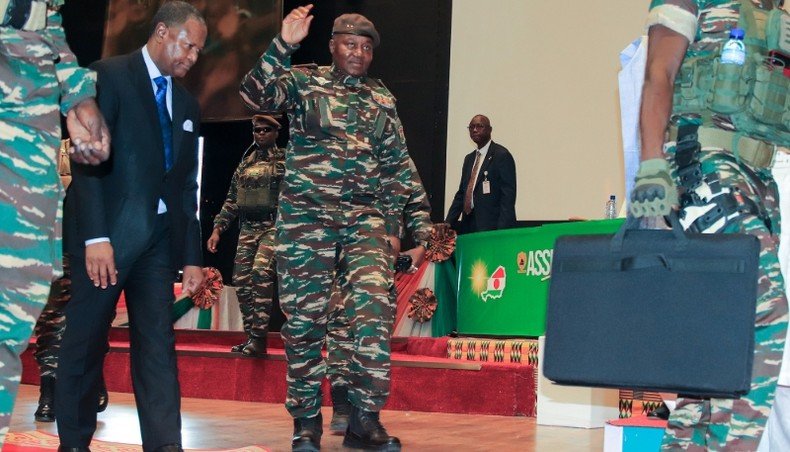
The approval reflects sustained confidence in Niger’s economic outlook even as the country distances itself from traditional Western military partnerships.
Since the political transition that brought General Abdourahamane Tiani to power, Niger has focused on asserting greater economic sovereignty while strengthening cooperation with regional allies facing similar transitions.


IMF unlocks funding following program reviews
According to Reuters, the IMF approved approximately $91 million after completing reviews under its Extended Credit Facility and Resilience and Sustainability Facility programs.
The decision unlocks about $61 million in direct economic support and an additional $30 million aimed at strengthening climate resilience and long-term sustainability.
The institution also projected that Niger’s economic growth will remain strong at 6.7% in 2026, signaling optimism about the country’s macroeconomic trajectory.
The funding provides vital fiscal breathing room for Niger’s government, helping to stabilize foreign reserves, support essential public spending, and reinforce confidence in the country’s financial management. It also signals that international financial institutions remain willing to work with Sahel governments, even as political alliances evolve.
Niger’s continued access to multilateral funding highlights its enduring strategic and economic importance.
As a major global uranium producer, the country plays a crucial role in international energy supply chains, particularly for nuclear power generation. This resource significance ensures that global economic stakeholders remain engaged in supporting Niger’s financial stability.
For Niger and its AES partners, sustained access to global financing strengthens their ability to pursue independent economic strategies while maintaining critical links to international markets.



