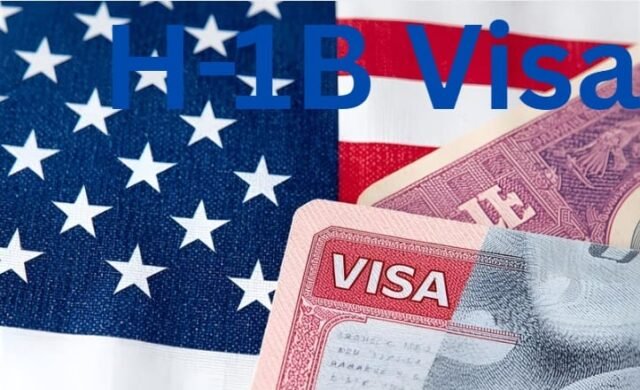
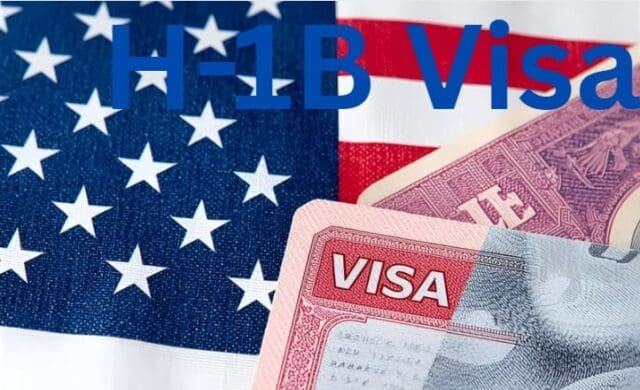
The United States has officially implemented new visa screening rules requiring social media reviews, marking a significant expansion of existing vetting policies. Beginning December 15, the US State Department will review the online presence and social media activity of applicants for certain nonimmigrant visas, including all H-1B visa applicants and their dependents.
This policy represents a major shift in US immigration procedures and has wide-reaching implications for foreign professionals seeking temporary employment in the United States.
What Are the New US Visa Social Media Rules?
Under the new State Department policy, H-1B visa applicants, along with their spouses and children, are now required to make their social media profiles publicly accessible for government review.
Applicants are explicitly instructed to adjust the privacy settings on all social media platforms to “public” to allow consular officers to examine their digital footprint as part of the visa adjudication process.
– Advertisement –
The review may include content from major platforms such as:
- X (formerly Twitter)
- TikTok
- YouTube
The policy builds on earlier requirements that already applied to foreign students (F visas) and exchange visitors (J visas) but now expands scrutiny to include specialty occupation workers under the H-1B program.
Who Is Affected by the Policy?
The new social media screening requirements apply to:
- H-1B visa applicants
- H-4 dependents (spouses and children)
- Individuals applying for visa renewals or first-time entry
H-1B visas are commonly used by professionals in technology, healthcare, engineering, finance, and research, making this change particularly impactful for international workers and US employers alike.
Why Is the US Expanding Social Media Vetting?
According to the State Department, the policy aims to strengthen national security and identity verification during the visa application process.
Officials believe that reviewing publicly available online activity helps:
- Confirm applicant identity
- Detect inconsistencies in application information
- Identify potential security risks
The US government has increasingly relied on digital background checks as part of broader immigration enforcement and border security strategies.
What Applicants Should Know Before Applying
Visa applicants are encouraged to carefully review their entire online presence before submitting applications or attending visa interviews.
Key recommendations include:
- Ensuring social media information aligns with visa application details
- Removing misleading or inconsistent public content
- Avoiding posts that could be misinterpreted by consular officers
- Making profiles public temporarily, as instructed
Failure to comply with the social media disclosure requirement may result in processing delays, additional administrative review, or visa denial.
Privacy and Free Speech Concerns
The expansion of social media screening has raised privacy and civil liberties concerns, particularly among immigration advocates and legal experts.
Critics argue that requiring applicants to make profiles public could:
- Discourage free expression
- Lead to subjective interpretation of online content
- Create uncertainty about what qualifies as disqualifying material
Despite these concerns, the State Department maintains that the policy is focused on publicly available information only and does not require passwords or private account access.
Impact on US Employers and Global Talent
US companies that rely heavily on foreign skilled workers may see longer visa processing times due to increased scrutiny.
Employers are advised to:
- Prepare candidates early
- Allow extra time for visa approvals
- Educate employees about compliance requirements
With H-1B visas playing a crucial role in addressing workforce shortages, especially in STEM fields, the new rules could influence global talent mobility.
Final Thoughts
The new US visa rules on social media reviews mark a pivotal change in immigration screening practices. As the policy goes into effect, H-1B applicants and their families must adapt quickly to avoid complications in the visa process.
Staying informed, maintaining a consistent digital presence, and following State Department instructions will be essential for navigating this new era of visa vetting.
Follow our WhatsApp Channel and X Account for news updates.