

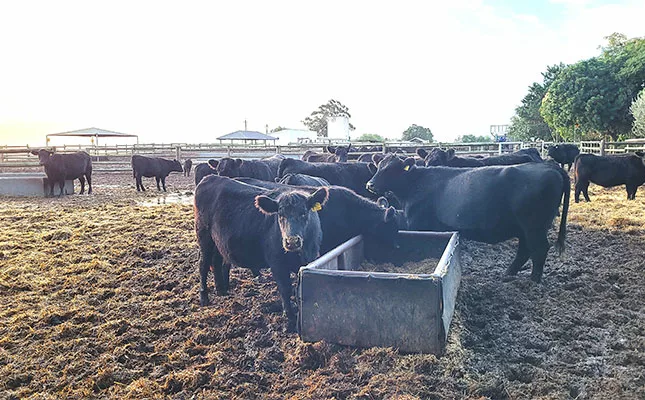
Protecting South Africa’s livestock industry from transboundary animal diseases will require stronger biosecurity systems, effective disease surveillance and coordinated response plans, according to Absa AgriBusiness.
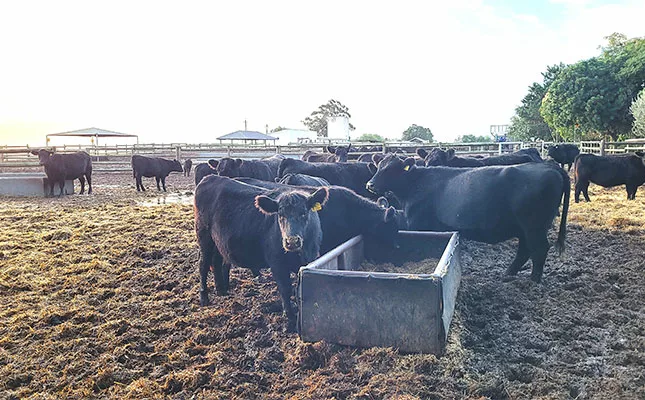
Photo: Lindi Botha
The Spring edition of the Absa AgriTrends report, released at Nampo Cape in Bredasdorp on Thursday, indicates that beef sector resilience hinges on animal health and biosecurity.
Concerns about the growth of the local beef sector and its export potential have intensified in the wake of recent Foot and Mouth Disease (FMD) outbreaks. South Africa first secured FMD-free status more than 10 years ago, enabling the country to become a net exporter of beef.
This advantage was, however, lost in 2019 when the disease reappeared. Since then, repeated outbreaks have triggered export bans, undermining trade opportunities.
Absa economist Nkhensani Mashimbyi said that exports have historically provided producers with a buffer against subdued local consumption, which has been weighed down by high living costs and interest rates.
“While 2024 was expected to bring relief through a more supportive domestic demand environment, drier conditions drove up slaughter numbers, keeping price gains in check. With boneless premium cuts making up the bulk of exports, access to international markets remains a vital strategy for optimising carcass values and managing risk,” said Mashimbyi.
She noted that biological threats such as FMD continue to shape market performance.
“In the past, export restrictions linked to FMD meant more beef remained in the local market, which decreased prices. Lately, however, we have seen the opposite. The combination of recovering consumer spending power and lower supplies due to FMD has created temporary supply shortages that have boosted carcass prices.”
She added that weaner calf prices held firm despite the outbreaks. This was due to well-managed procurement strategies and reduced availability, which defied the typical pattern of softer prices during FMD events.
“With good grazing available, many farmers are also retaining weaners for backgrounding, which tightens near-term supply even more.”
Although slaughter activity is slowly improving thanks to industry resilience and operational adjustments, volumes remain below optimal levels.
According to Mashimbyi, the industry is pinning its hopes on government-led vaccination drives and enhanced traceability measures, which could help reopen markets such as China.
“As higher-value cuts move back into export channels, domestic supply will remain constrained, supporting expectations that beef prices will stay elevated over the medium term, rather than returning to pre-FMD levels,” she said.
Beyond its trade significance, the beef sector plays a key role in the sustainable use of South Africa’s grasslands, supports the grain industry through integration, and provides opportunities for greater inclusivity.
Ensuring robust animal health systems and traceability will therefore, be central to safeguarding market access and building long-term sector resilience.


