


Ayesha Laher, director of AHL Water
The South African Department of Water and Sanitation (DWS) published its revised set of Compulsory National Water and Sanitation Services Standards in June 2025 and is set to take effect in April 2026.
This is one of the most comprehensive updates to the country’s water regulatory framework in nearly a decade.
Developed in line with the National Water Act, the amended standards are designed to address key risks and service challenges identified through the Water and Sanitation Indaba resolutions of 2023 and 2025. Speaking about the purpose of the revisions, Ayesha Laher, director of AHL Water, explains that these changes “reflect a maturing sector responding to a new set of pressures from infrastructure decline to accountability and professionalisation.”
Laher explains that DWS is empowered to develop and enforce norms and standards as the landscape changes, and the last revision was in 2017, making the current revision a timely intervention into a crucial sector.
Key prohibitions and compliance requirements
The revised framework establishes stricter compliance obligations for municipalities and Water Services Authorities (WSAs). All WSAs must submit plans for progressive compliance within six months of publication, outlining how they intend to meet each provision.
Among the most notable prohibitions is the complete ban on bucket toilets. Municipalities are also barred from approving new housing or bulk-user developments where wastewater treatment capacity is already exceeded.
“In simple terms, you can’t connect new developments if your wastewater system cannot cope,” Ayesha explains. “This is an important step to prevent overloading already failing treatment works.”
Failure to issue advisory notices in the event of drinking water quality failures is now considered an offence under Section 28. Ayesha describes this as a potential turning point for accountability: “If a municipality fails to warn the public of unsafe drinking water, it can now be taken to court. Every water quality failure that goes unreported represents a risk to public health and now, a regulatory breach.”
The new provisions also establish offences for the improper disposal of faecal sludge, requiring that all sludge be transported and treated at authorised facilities. Records of sludge movement and disposal are now mandatory, part of a wider emphasis on faecal sludge management and environmental protection.
Service delivery and continuity
The new standards set minimum service levels for both water supply and sanitation access. Municipalities must ensure that residents have access to water for at least 358 days a year, with any interruption not exceeding 48 consecutive hours in duration. Where outages exceed this limit, authorities must provide a minimum of 15 litres of potable water per person per day through interim supply points or tanker systems.
“It’s one of the most progressive elements,” says Laher. “There’s now a measurable threshold for service interruption, and if exceeded, there is a defined obligation to provide emergency supply.”
Municipalities must also register and monitor tanker operations, including water sources, delivery volumes, and destinations, a move intended to counter corruption and inefficiency in emergency supply contracts.
A further addition requires that interim water and sanitation services be provided to any newly established informal settlement within 90 days of its identification. However, Laher acknowledges the complexity of this provision. “It’s well-intentioned, but practically difficult. Infrastructure cannot realistically be built in 90 days, especially where municipalities already lack capacity.”
Water conservation, demand management, and leak response
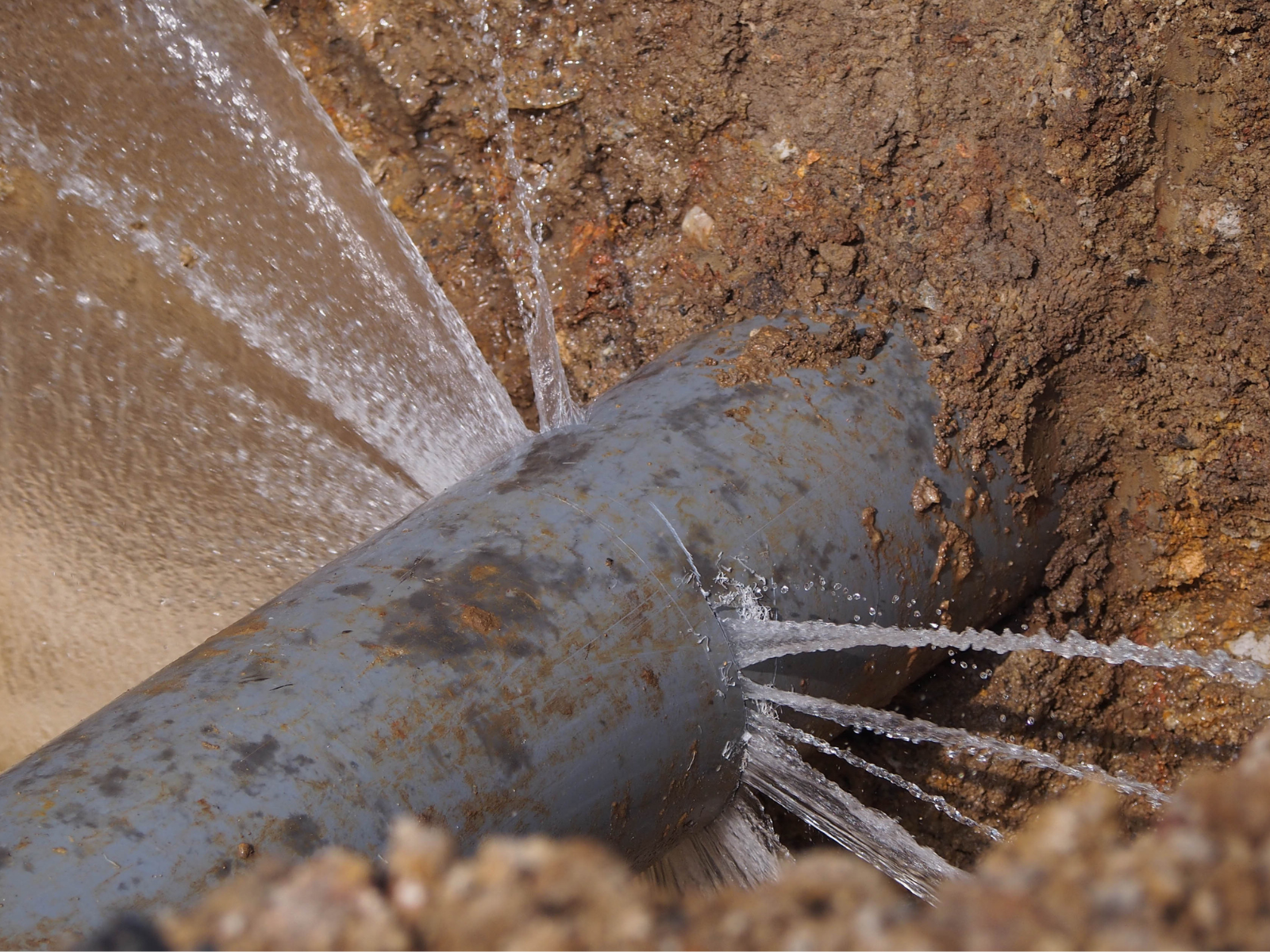
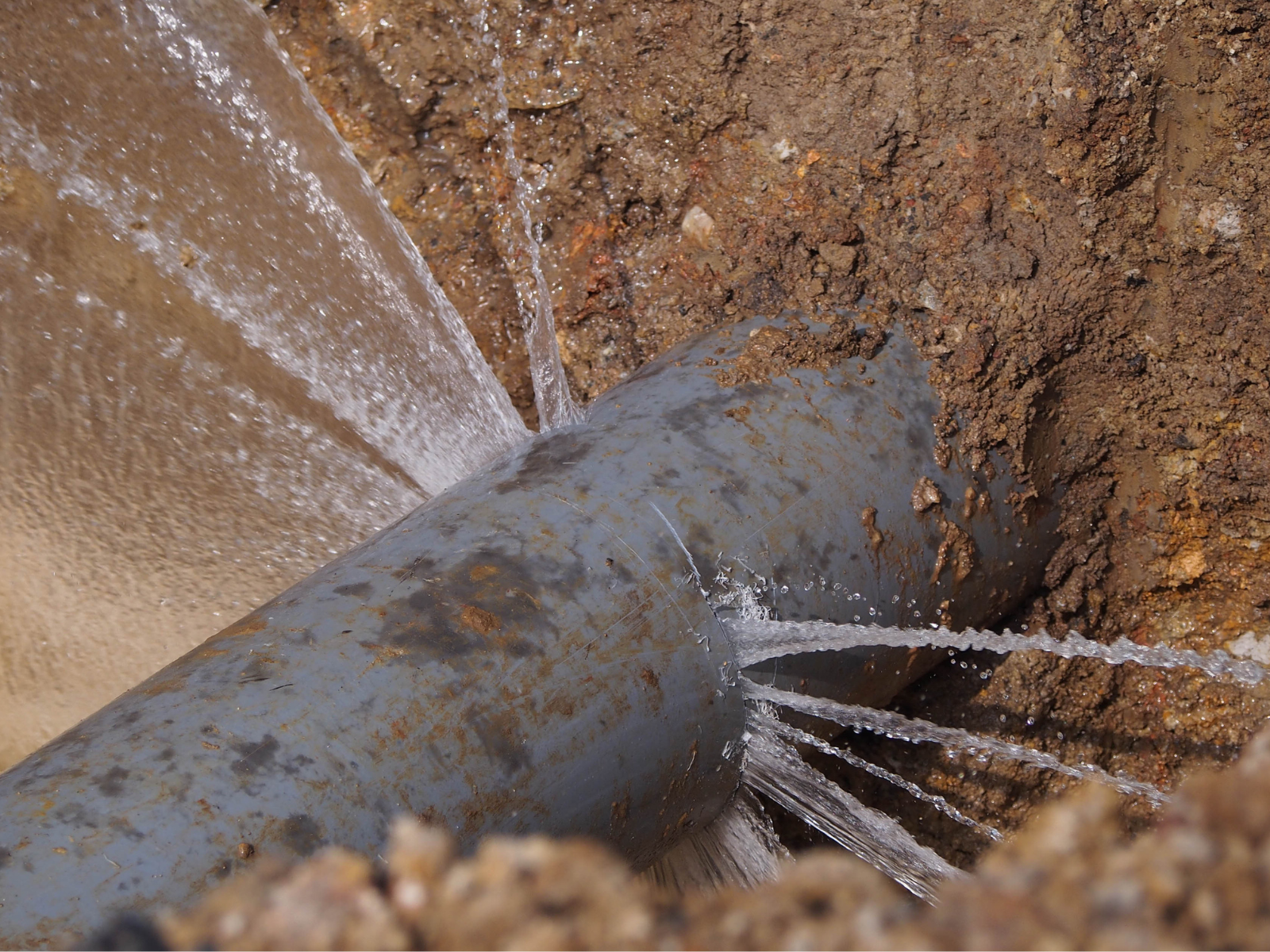
Leaks must now be isolated within 4 hours of reporting; this could help reduce non-revenue water significantly
The 2025 standards place strong emphasis on Water Conservation and Water Demand Management (WCWDM). Each municipality must develop a 10-year WCWDM strategy, supported by an annual plan uploaded to the Department’s Integrated Regulatory Information System (IRIS).

Performance benchmarks are defined for the first time:
- Non-Revenue Water must be kept within 20–30%,
- Water losses between 10–20%,
- Infrastructure Leakage Index (ILI) between 2–4, and
- Per capita use between 120–180 litres per day.
Municipalities are required to isolate 95% of detected or reported pipe bursts within four hours and repair all leaks within 48 hours. “These are ambitious targets,” Ayesha notes. “If enforced, they could significantly reduce water loss but capacity and resources remain major barriers.”
Professionalisation
A major outcome of the Water Indaba process has been the call for professionalisation of the water sector. The revised standards formalise this by setting out competency requirements for senior water and sanitation officials.
Heads of Water Services Authorities and key technical managers must now hold an engineering degree (BEng, BSc Eng or BTech) and be professionally registered with the Engineering Council of South Africa (ECSA). Category A municipalities require 15 years’ post-qualification experience, and Category B and C municipalities require 10 years.
“This addresses the problem of unqualified political appointments in technical posts,” Ayesha explains. “Professionalisation introduces accountability. If a registered engineer acts negligently, ECSA can withdraw their registration. That’s a real consequence for non-compliance.” While the DWS revision is vague on non-compliance in this area, Laher’s scenario sees third-party enforcement. If the department cannot directly intervene, governing bodies like ECSA play a heightened role in compliance.
The new framework also aligns with Process Controller Regulations (GN 3630 of 2023), ensuring that staff operating treatment works are trained and certified.
Operational efficiency and sustainability
If supply is interrupted for 48 hours there is a defined obligation to provide emergency supply
WSAs are now required to maintain comprehensive water and wastewater balance analyses, calibrate meters, and report results quarterly to the DWS. They must account for daily abstraction, inflows, outflows, and losses, using the International Water Association (IWA) water balance methodology.
Laher adds,” Every municipality must prepare a cost-reflective operations and maintenance budget per system, specifying costs per cubic metre of water supplied, including energy, chemicals, labour, and repairs.”
The standards also require municipalities to secure alternative energy supplies for critical infrastructure, such as diesel generators or biogas systems, and to protect facilities against vandalism and theft.
Section 78 and the future of water service delivery
The revision coincides with ongoing Section 78 interventions under the Water Services Act, which allow the DWS to transfer water service functions away from failing municipalities to licensed external providers.
“We’re already seeing the groundwork for this,” Laher confirms. “Some provinces, like Mpumalanga, have started assessments to determine which municipalities retain their water service authority status and which will hand functions to new water service providers.”
These licensed providers will be required to meet the same regulatory and performance criteria, including compliance with the revised standards, and will receive direct transfers from Treasury for the provision of free basic water to indigent households. According to Laher, this “moves the power and duty from a failing municipal vendor to a private entity. If implemented correctly, this could improve service delivery, but it will also raise employment and governance challenges within municipalities.”
Laher offers possible scenarios as an example: “How will a new water service provider cope with a system that is failing dismally? This doesn’t rectify the problem but passes it along to someone else who might be able to ‘bring the system to life.’ Another caveat is the labour challenge: what happens to staff and employees if their mandate is transferred to another water services provider?”
Ultimately, the revised norms and standards represent both a technical and governance shift. By embedding measurable performance targets and legal obligations, the DWS aims to create enforceable accountability across the water sector.
“It’s a significant step towards rebuilding trust and functionality,” Laher concludes. “The question now is not whether the framework is strong enough, it’s whether enforcement will follow.”


