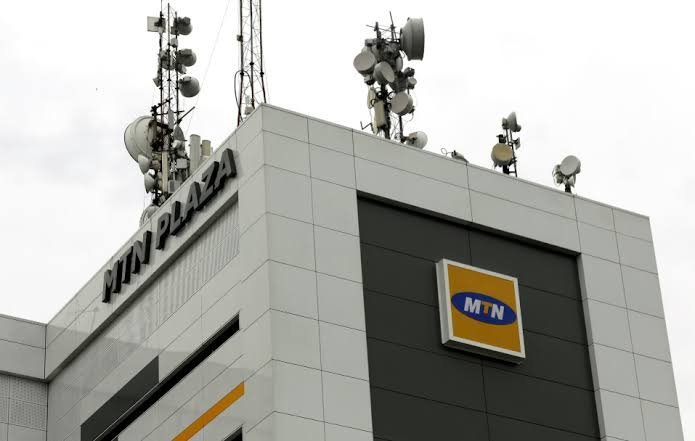
MTN Nigeria has reported revenues exceeding ₦2.47 trillion, underscoring the accelerating role of telecom infrastructure in powering Africa’s digital economy.
The company, a subsidiary of South Africa-based MTN Group, continues to dominate Nigeria’s telecom market, benefiting from sustained growth in mobile data consumption. According to its latest financial disclosures, data revenue now accounts for a significant portion of total earnings, reflecting a broader shift in consumer behavior.
Data as the Core Revenue Driver
MTN Nigeria’s performance aligns with regional trends, where mobile data usage is expanding rapidly due to smartphone penetration and digital service adoption. The GSM Association (GSMA) estimates that Sub-Saharan Africa will reach over 600 million mobile subscribers by 2025, with data usage growing at double-digit rates annually.
This surge is driven by video streaming, fintech applications, and social commerce platforms, all of which rely heavily on stable and affordable internet access.
Currency Pressure and Profitability Constraints
Despite strong top-line growth, MTN Nigeria continues to face profitability pressures linked to currency volatility. The depreciation of the naira has increased operational costs, particularly for network equipment and infrastructure, which are often imported.
The International Monetary Fund (IMF) has highlighted Nigeria’s foreign exchange constraints as a key macroeconomic risk, impacting sectors reliant on imported capital goods.
Infrastructure Investment and Network Expansion
To sustain growth, MTN is investing heavily in network expansion, including 4G and 5G rollout. The Nigerian Communications Commission (NCC) continues to push for broader broadband penetration, targeting 70% coverage in the medium term.
These investments are capital-intensive but necessary to support increasing data demand and maintain service quality across urban and rural markets.
Telecoms as Economic Infrastructure
The telecom sector is no longer just a communications service it is foundational economic infrastructure. From mobile banking to e-commerce, telecom networks underpin multiple sectors of the digital economy.
As a result, companies like MTN are increasingly positioned at the center of Africa’s economic transformation, bridging connectivity gaps while enabling new business models across the continent.