

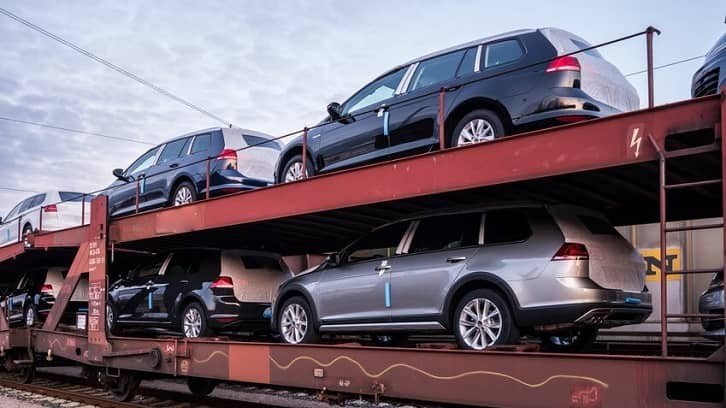
Data from the Bank of Mozambique shows the country spent $259.5 million on vehicle imports over the nine-month period, including $89.7 million in the third quarter alone.
The figures highlight growing mobility needs in a country of more than 33 million people, where urbanisation is accelerating but incomes remain relatively low.
Much of the demand is concentrated in major urban centres, particularly the capital, Maputo.
Growing fleet driven by urban demand
Mozambique has no domestic vehicle manufacturing, making it heavily reliant on imports to meet transport needs.
Official data shows the national vehicle fleet expanded by 4.2% in 2024, surpassing 1.3 million vehicles.
Passenger cars account for the bulk of this growth, reflecting rising middle-class demand and increased urban commuting.
Nearly half of all vehicles are concentrated in Maputo and its surrounding province, pointing to a sharp urban-rural divide in vehicle ownership and infrastructure access.
According to the National Institute of Statistics, the fleet rose from 1.27 million vehicles in 2023 to 1.32 million in 2024. Passenger vehicles alone reached 897,273, marking a 12% increase since 2021.
Import reliance opens investment opportunity
Vehicle import spending has remained consistently high in recent years, reaching $421 million in 2023 before easing slightly to $386.8 million in 2024.
The trend reflects both structural dependence on imports and limited industrial capacity, even as Mozambique positions itself as a future economic growth hub driven by natural gas and infrastructure investment.
The absence of local manufacturing, combined with a growing urban population, could position Mozambique as an attractive market for automobile companies seeking to expand assembly operations, distribution networks and after-sales services in southern Africa.
This is particularly relevant for logistics firms that can support transport infrastructure while contributing to job creation and reducing unemployment.
Beyond passenger cars, the country recorded 267,792 heavy vehicles, 16,158 tractors and over 100,000 motorbikes in circulation, signalling expanding demand across transport, agriculture and logistics sectors.
Analysts say the trend reflects both improving economic activity and untapped market potential, even as challenges around income levels and infrastructure persist.


