Total Energies’ decision to extend force majeure on its $20 billion Mozambique LNG project until Q4 2027 has cost the Mozambican economy an estimated $2.3 billion in lost government revenues and export earnings since the original 2024 production target, according to analysis by Oxford Economics Africa released this week.
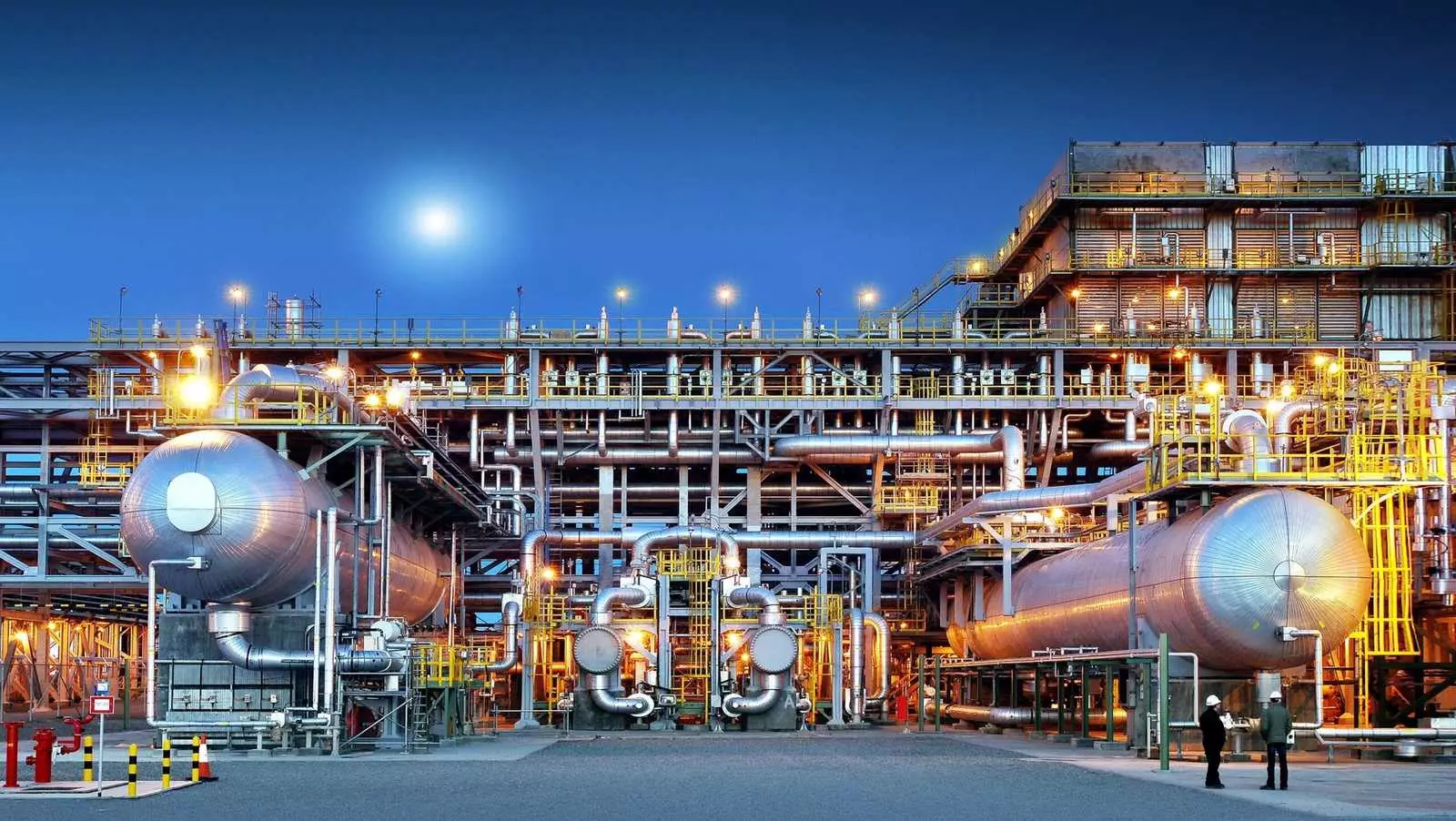
The French energy giant cited ongoing security concerns in Cabo Delgado province and insufficient infrastructure development as primary reasons for the 18-month extension announced Monday. The project, which holds 65 trillion cubic feet of recoverable gas reserves, was initially expected to produce 13.1 million tonnes of LNG annually.
Financial Impact Escalates
Mozambique’s finance ministry projects the delay will reduce 2026 GDP growth from an anticipated 6.8% to 4.2%, primarily due to lost fiscal revenues and delayed infrastructure investments. Government spokesman Alberto Nkutumula told LBNNTV that projected LNG revenues of $1.8 billion annually represent nearly 40% of the country’s current government budget.
Standard Bank’s Mozambique country head Maria Santos estimates the cumulative economic impact could reach $4.1 billion by end-2027, factoring in multiplier effects across construction, logistics, and services sectors. “The delay compounds Mozambique’s debt sustainability challenges, with external debt already at 102% of GDP,” Santos said.
The World Bank’s latest Mozambique Economic Update, published February 2026, revised down medium-term growth projections to average 4.5% through 2029, compared to previous estimates of 7.2% assuming timely LNG production.
Security Concerns Persist
Despite a $89 million Southern African Development Community (SADC) military intervention beginning in July 2024, insurgency-related incidents in Cabo Delgado have increased 23% in 2026 compared to 2025, according to the Armed Conflict Location & Event Data Project.
Total Energies CEO Patrick Pouyanné stated during an investor call Tuesday that the company requires “sustained stability for at least 12 consecutive months” before resuming construction activities. The project site at Afungi Peninsula remains under SADC protection, but attacks on supply routes have disrupted equipment deliveries.
Rystad Energy senior analyst James Mitchell noted that insurance premiums for the project have increased 340% since 2021, adding an estimated $280 million annually to project costs. “Political risk insurance is now the largest single cost component after construction,” Mitchell told LBNNTV.
Financing Challenges Mount
The delay has triggered review clauses in $14.9 billion of project financing arranged by a consortium led by Standard Chartered, Sumitomo Mitsui Banking Corporation, and the Japan Bank for International Cooperation. Lead arranger Standard Chartered confirmed that facility fees continue accruing during the force majeure period.
Export credit agencies including Nippon Export and Investment Insurance (NEXI) and UK Export Finance are reassessing risk ratings for the project. NEXI’s Mozambique country risk rating was downgraded to Category 7 in January, increasing required capital reserves for Japanese lenders.
Italian energy company Eni SpA, developing the adjacent Coral South FLNG project, reported first LNG cargo deliveries remain on schedule for Q2 2026. However, Eni’s onshore Area 4 development faces similar security constraints, with CEO Claudio Descalzi indicating potential delays beyond 2028.
Regional Gas Market Impact
The continued delays have affected regional gas pricing dynamics, with European buyers increasingly turning to US and Qatari suppliers. Shell and BP, holding long-term offtake agreements for 8.5 million tonnes annually from the Total project, have secured alternative supplies through 2027.
Mozambique’s neighbor Tanzania benefits from the delays, with Equinor and Shell’s Tanzania LNG project gaining competitive advantage for African gas market entry. Tanzania’s energy ministry reported increased international investor interest following Mozambique’s latest delays.
Government Response Strategy
President Filipe Nyusi announced a $150 million emergency economic diversification fund targeting agricultural exports and renewable energy development to offset LNG revenue losses. The African Development Bank approved a $200 million budget support facility in February to maintain essential government services.
Finance Minister Max Tonela indicated the government is exploring alternative revenue sources, including fast-tracking offshore wind development with Scatec ASA and expanding the Nacala port logistics hub.
Investment Outlook
For institutional investors, the extended delays underscore the elevated political risk premium required for frontier market energy projects. The situation demonstrates how security challenges can fundamentally alter project economics even with strong underlying resource fundamentals.
Regional development finance institutions may need to reassess gas-dependent infrastructure investments across East Africa, while international energy companies face pressure to develop more robust security frameworks for operating in conflict-affected regions. The delay reinforces the importance of comprehensive political risk assessment in African energy project valuations.