

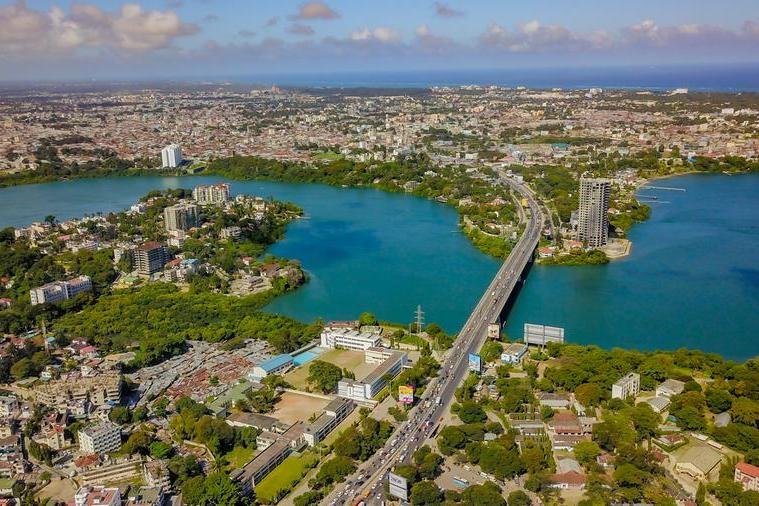
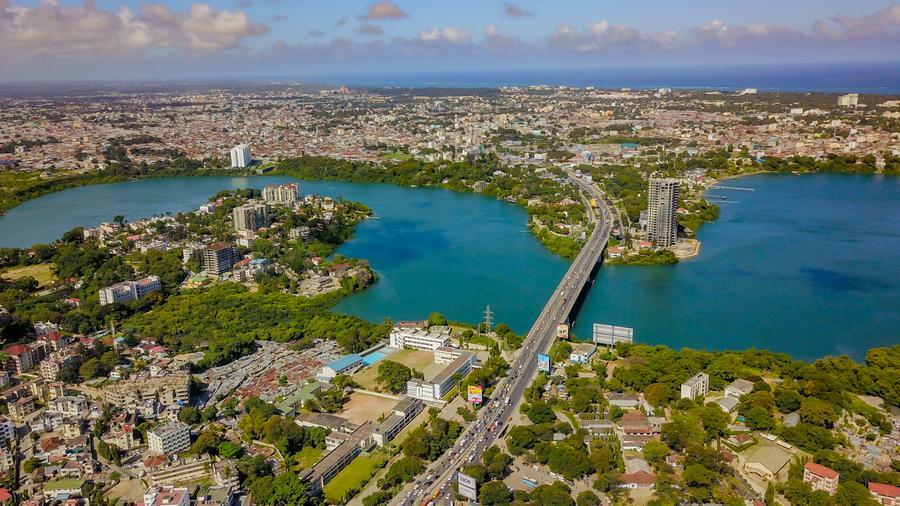
Disruption in global maritime transport occasioned by the US-Israel-Iran conflict is putting pressure on African ports, including Kenya’s Mombasa and Lamu, as more than 4,000 vehicles destined for the United Arab Emirates were this week offloaded in the facilities and another 10,000 expected in the coming days.
But the other main port in the region, Dar es Salaam, is receiving fewer vessels comparatively, due to what marine experts say are “problems in handling cargo.”“Mombasa and Lamu are better at ensuring turnaround time. Mombasa has recorded about 15-20 more vessels in the 14-schedule list compared with six in Dar es Salaam,” according to Shippers Council of Eastern Africa.
Premier transhipment hubs Jebel Ali and the Port of Salalah in Oman, which are experiencing severe disruptions and declining vessel calls, are rerouting carriers around the Cape of Good Hope, thus increasing traffic in East African ports.
The escalating conflict, including closure of the Strait of Hormuz and Red Sea, has diverted traffic to African ports, with Mombasa receiving 60 in two weeks, according to the ship calling list, compared with an average of 40 in “normal season.”Read: East African citizens brace for hard times as Gulf war escalatesLamu port is experiencing an influx of vessels, 43 vessels docking there since the beginning of the year and at least seven scheduled in the next one week.
Kenya’s deep-water facilities lie at a strategic crossroads, facing a complex mix of potential short-term gain and significant long-term risk, calling the need to reinvent itself not just as a gateway for regional cargo, but also as a crucial pit-stop on a major global maritime highway.
But the spike in vessels in Mombasa and Lamu puts a strain on the ports which have a shortage of cargo-handling facilities.“We are overwhelmed, the conflicts come with both blessings and challenges in business,” said Kenya Ports Authority managing director Capt William Ruto.
On Tuesday this week, a Roll-On-Roll-Off (RoRo) car carrier with 3,800 high-end cars from Japan and originally destined for Jebel Ali port, Dubai was diverted to Lamu, five days after MV Grande Auckland, a pure car carrier built in Europe with the capacity to transport up to 900 vehicles, made its inaugural call at the facility where it discharged 469 vehicles.
Capt Ruto said another vessel with 10,000 cars is expected in next few days in Lamu, which will further strain the three-berth port opened in 2021 but operating has been operating at a 5 percent capacity. With the current developments, the port is rising as a regional maritime hub.“The crisis is a wakeup call for us to digitise our operations in Lamu. We will be holding the vehicles in Lamu until the crises subside. Thereafter, they will be transshipped to their final destinations. This helps mother ships to continue with their trips without disruption,” Capt Ruto said.
But fears have arisen about the prolonged crisis that destabilises global trade. Delays in vessel turnaround time due to longer routes have affected exports of coffee, tea, avocado and meat.
Shippers Council of Eastern Africa CEO Agayo Ogambi said diversion of cargo from Red Sea routes adds 10–20 days to transit time for exports, with avocado and meat exporters being hardest hit.
The closure of the Strait of Hormuz is now a stress test for the Kenyan economy, as demand surge for key handling services (supply of provisions, spares, and stores for the crew and vessel) for vessels that have travelled thousands of extra nautical miles, the need for refuelling, or bunkering, becomes critical and presents a tangible economic upside.
A spike in vessel traffic could translate into increased revenue for local companies offering these specialised services, and that creates a ripple effect of job creation and economic stimulation in the coastal regions.
Bab-el-Mandeb or Strait of Mandeb, is between Yemen on the Arabian Peninsula and Djibouti and Eritrea on the Horn of Africa, connecting the Red Sea to the Gulf of Aden and by extension the Indian Ocean.
Increased distances have led to a surge in fuel prices, which is a major inconvenience and a shock to the markets.
The United Nations has already warned of significant risks to global trade and development, including higher food prices and cost-of-living, if the Strait of Hormuz is closed amid the ongoing conflicts as number of the vessels passing through the passage decline by 97 percent in the past two weeks.
© Copyright 2026 Nation Media Group. All Rights Reserved. Provided by SyndiGate Media Inc. (Syndigate.info).


