


The United Nations has designated 2025 as the International Year of Glaciers’ Preservation. But the the image of vast ice sheets melting might seem like a problem for Greenland or Antarctica, not Africa.
However, Africa is deeply affected, often more than places closer to the ice. Currently, the only remaining glaciers on the continent exist on Mount Kilimanjaro (Tanzania), Mount Kenya (Kenya), and the Rwenzori Mountains (Uganda and the Democratic Republic of Congo). If climate change continues at its current pace, all three will disappear by the 2040s, according to a new multi-agency report published this month by the World Meteorological Organization (WMO), with support from the United Nations.
Africa is exceptionally vulnerable to climate variability and change compared with many other regions. Over the past 60 years, Africa has observed a warming trend that has become more rapid than the global average. The continent is experiencing deadly heatwaves, heavy rains, floods, tropical cyclones, and prolonged droughts.
Alarmingly, glaciers and permafrost (frozen ground) can trap organic matter – plants, soil, microbes – from thousands of years ago. When glaciers melt, this trapped material is exposed to oxygen and microbes. As it decomposes, it releases carbon dioxide (CO₂) and methane (CH₄) – both powerful greenhouse gases. This has the potential to release up to 1 600 billion tons of carbon currently locked in glaciers and permanently frozen ground.
Glaciers, water, and you
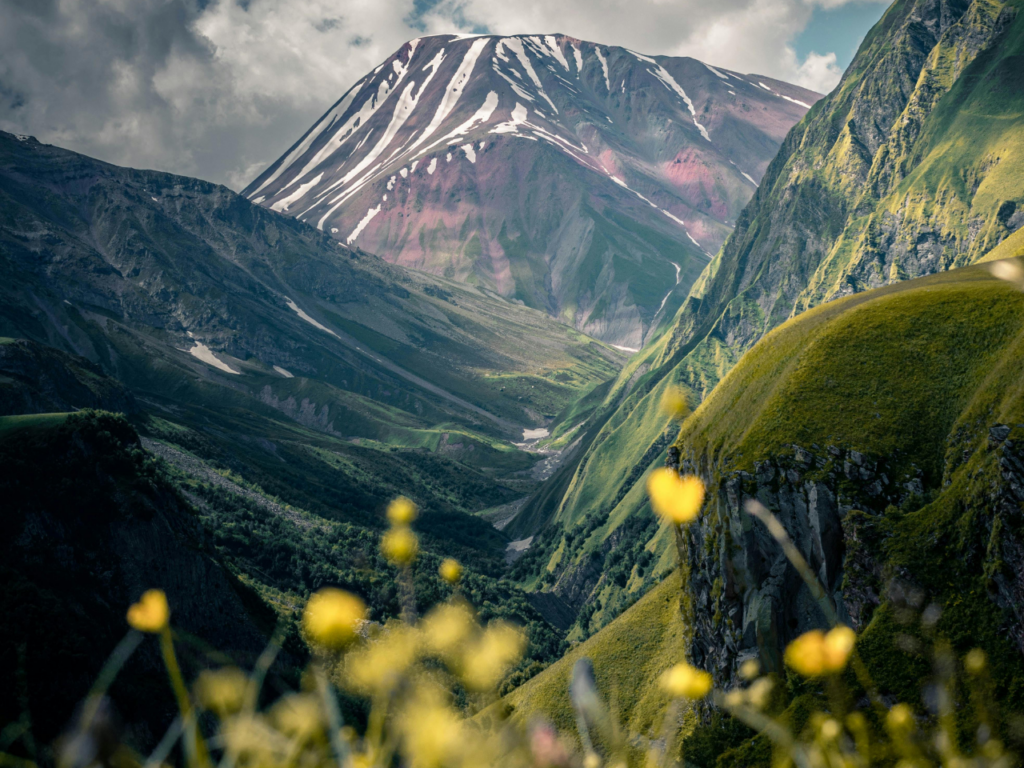
Mountain glaciers account for 60% of the water flow of the Earth
The United Nations Educational, Scientific and Cultural Organization (UNESCO), a specialised agency within the United Nations, says “glaciers play an integral part in regulating weather patterns, and a providing water, whether it seems that way or not we all live downstream.”
UNESCO released a report stating that retreating glaciers could threaten the lives of 2 billion people, Abou Amani, director of the Division of Water Sciences and secretary of UNESCO’s Intergovernmental Hydrological Programme, adds,

“25% of the Earth’s surface is made of mountains, this provides 60% of the annual freshwater flow, and the unprecedented rates of glacial retreat threaten the global climate as well as the billion people who rely on them as a water source.”
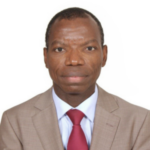
Abou Amani, director of the Division of Water Sciences and secretary of UNESCO’s Intergovernmental Hydrological Programme

Glaciers are not just the large ice blocks floating in the Arctic, but rather any collection of ice and snow that moves. Alpine glaciers are the focus of discussions around climate change. Amani says, “When we speak about how climate change affects the Earth, we must also discuss how the Earth affects climate change. These alpine glaciers also influence the global climate, regulating temperatures and currents, the disappearance of these glaciers would affect the entire world.”
Although Africa’s glaciers are small in comparison to glaciers found in other parts of the world, they still have a vital role in the continent’s ecosystems and water systems, contributing to river flow in dry seasons, and supporting agricultural practices and livelihoods in the areas. The Rwenzori Mountains feed into river systems that provide water to communities in Uganda and the Democratic Republic of Congo, while Mount Kenya helps sustains ecosystems and agriculture in the surrounding region. Importantly, South Africa does rely on glacial water. The Drakensberg region and Lesotho, which supplies water to South Africa, rely on glacial accumulation and melt for their ‘water budget.’ A global increase in temperatures could lead to these systems not providing the water that South Africa relies on worsening droughts and further stressing an already water-scarce region.
Rising sea levels also threaten the coasts of South Africa, which are economic hubs and are home to a sizable portion of the country.
Agriculture
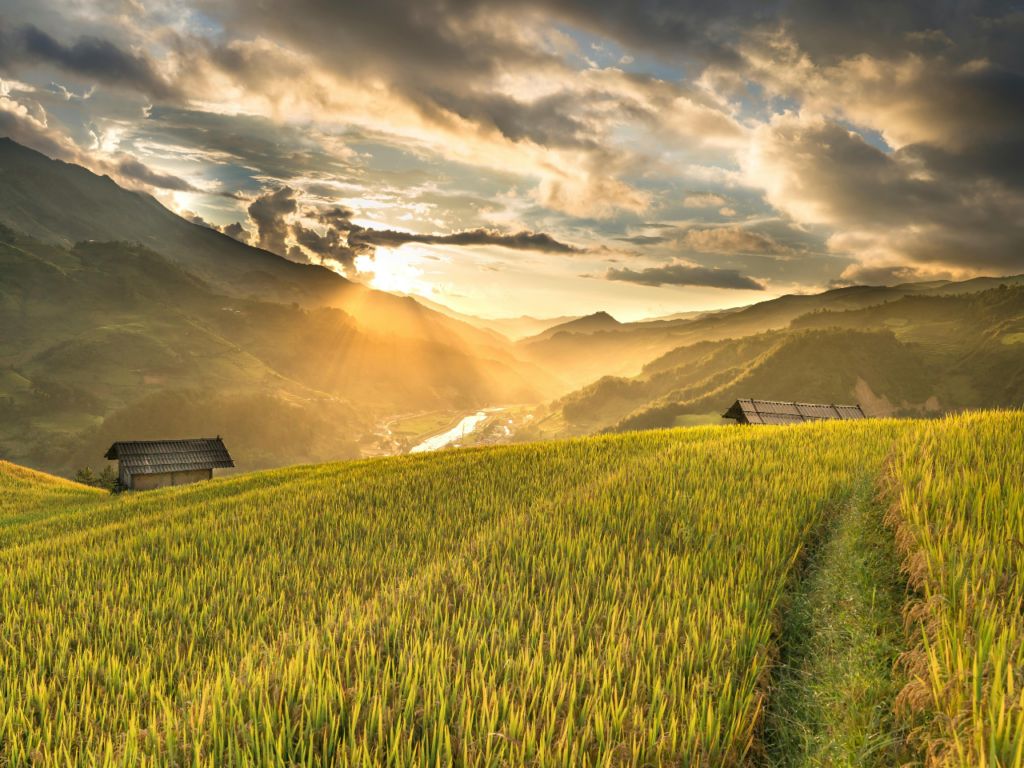
Global food security is at stake; glacial retreat is not a localised problem
The UNESCO report makes specific warnings about global food production.
“We live in a global society; food is not region-dependent and relies on global logistics. The glacial retreat is a direct threat to feeding the people of the planet,” adds Amani.
The loss of these natural water producers threatens communities who rely on them for agriculture and cultural practices. UNESCO posits that the loss of these glaciers would pose a direct threat to livelihoods, and cultures, leading to social harm on top of social harm.
While we face the reality of climate change UNESCO says that it is important that there is a global unity to fight climate change. “Preserving our environment as we move to climate-reliant practices and relying on the circular economy, are all ways we can reduce the more severe impact of climate change. It takes the entire planet to change the climate, it will take the entire planet to stop it,” says Amani.
South Africa must face climate change head-on, understanding that melting glaciers in countries far away, and close to home, impact the entire world.


