M-Pesa Foundation Upgrades Chekombero Special School with KES 50M

Learners at Chekombero Special School in Sabatia Constituency, Vihiga County, are now enjoying improved learning conditions thanks to a KES 50 million investment from M-Pesa Foundation.
The support is part of the “Citizens of the Future” programme, which focuses on transforming infrastructure in under-resourced schools across Kenya.
The project included renovating classrooms from Grades 1 to 9 and constructing a new ECDE block. These upgrades were aimed at easing congestion and creating a more comfortable, inclusive learning environment.
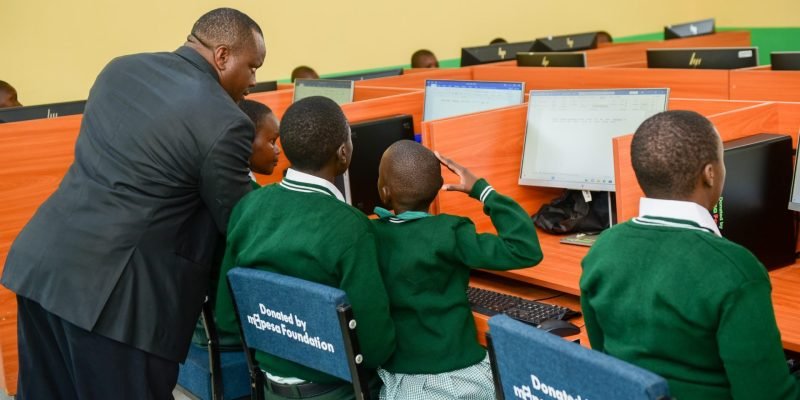
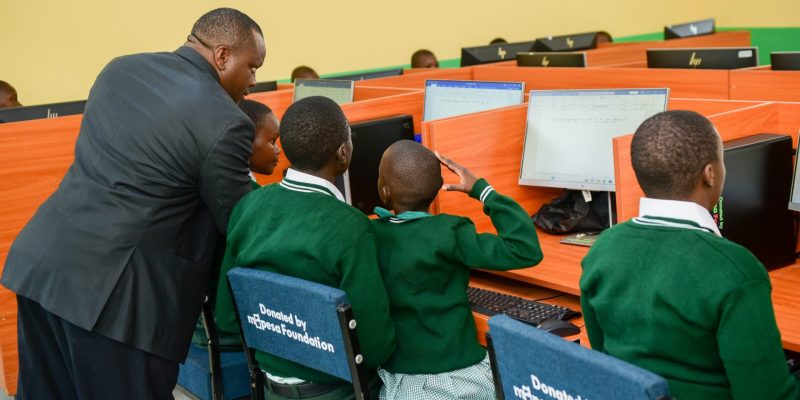
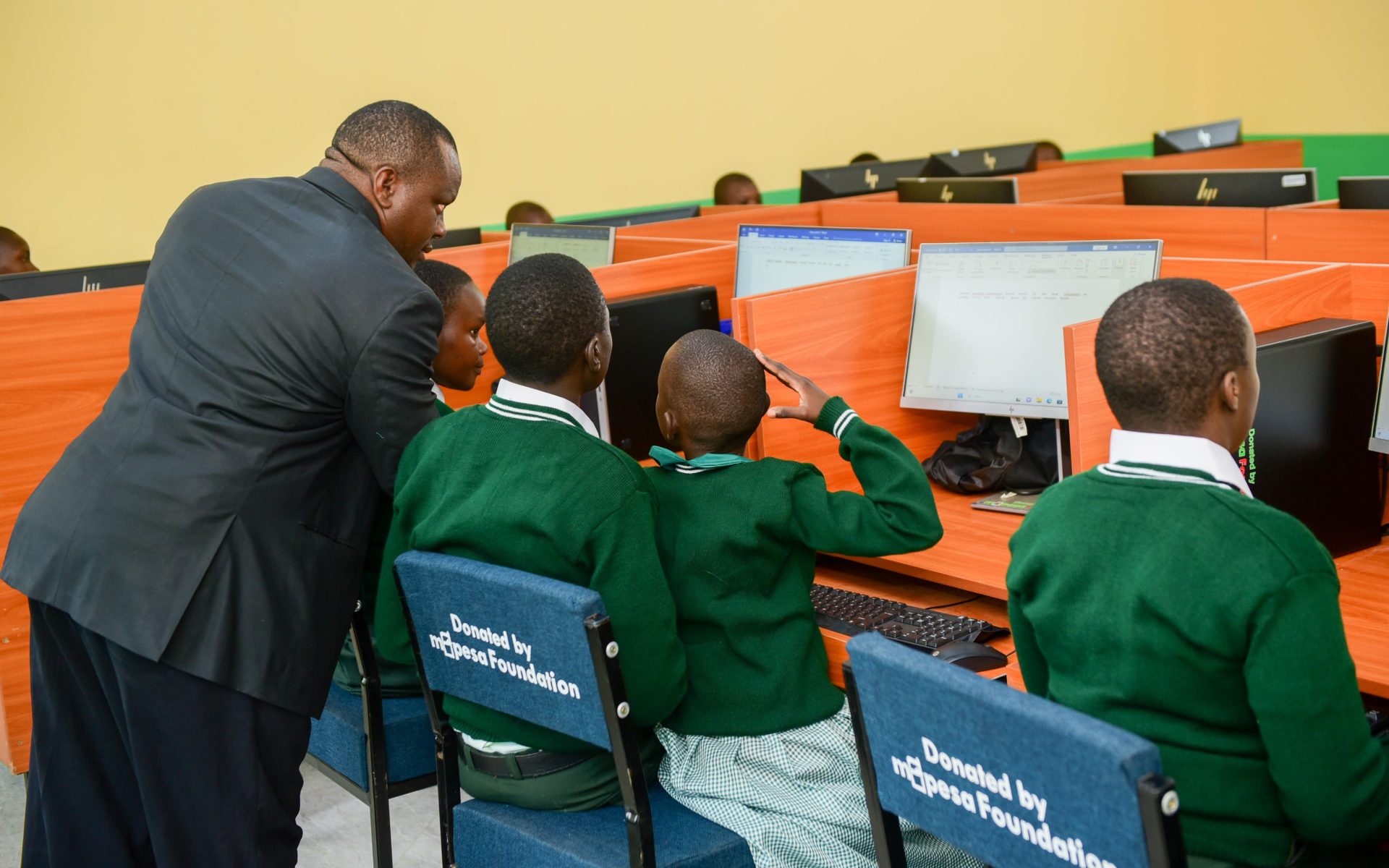
Additionally, the Foundation built a fully equipped 20-seater ICT lab to support digital learning.
“Every child, regardless of ability or background, deserves access to a learning environment that empowers them,” said Nicholas Nganga, Chairman of M-Pesa Foundation. “This investment is about restoring hope and preparing learners for a brighter future.”
M-Pesa Foundation Upgrades Chekombero Special School with KES 50M
Facilities to Inspire New Dreams
Alongside classroom renovations, the school also received a modernized kitchen fitted with two energy-efficient jikos and a multipurpose dining hall.
Learners now benefit from upgraded and furnished dormitories, providing them with a clean, safe place to live during the term.
Previously, students at Chekombero Special School endured overcrowded, dilapidated facilities. These conditions made learning difficult, especially for children living with disabilities who require extra care and attention.
“Our learners are now walking into classrooms with strong roofs and enough space to grow,” said Principal Wilson Otieno Charles. “For many, this is their first time using a computer. These are not just buildings, they are the foundation for new dreams.”
As part of its long-term commitment, M-Pesa Foundation is replicating similar projects in all 47 counties.
Through the Citizens of the Future programme, the Foundation aims to enhance access to quality education for vulnerable learners by addressing critical infrastructure gaps.