L3Harris Technologies has secured a contract to modernize the C-130 aircraft fleet of the Royal Moroccan Air Force (RMAF), a move that will enhance Morocco’s defense capabilities and keep its aging transports operational for years to come.
This project, set to begin in 2025 and continue through 2029, will be carried out at L3Harris’ aircraft maintenance and modification facility in Waco, Texas. The modernization effort reflects Morocco’s ongoing commitment to bolstering its military infrastructure while deepening its ties with international partners, particularly the United States. Under this agreement, L3Harris will perform a range of upgrades on the RMAF’s C-130 fleet, including avionics modifications, program depot maintenance, engine overhauls, and additional support services.
These enhancements aim to improve the aircraft’s performance and extend their service life, ensuring they remain ready for a variety of missions. The Royal Moroccan Air Force relies on these planes for tactical airlifts, humanitarian efforts, and special operations, making their continued reliability a priority. Jason Lambert, President of Intelligence, Surveillance, and Reconnaissance at L3Harris, described the contract as the start of a long-term partnership with the RMAF. He emphasized that L3Harris’ expertise in avionics will deliver scalable improvements to boost the C-130s’ capabilities and longevity, preparing them for any task the Moroccan military might face.

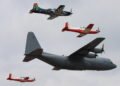
The Royal Moroccan Air Force currently operates 14 C-130H Hercules aircraft and two KC-130H tanker variants, alongside a smaller fleet that includes four C-27J Spartans, six CN-235s, and several Do 28s. The C-130H models, built by Lockheed Martin, feature updated Allison T56-A-15 turboprops, a redesigned outer wing, and improved avionics, making them a versatile and dependable part of Morocco’s airlift capacity. However, these aircraft are between 43 and over 50 years old, a fact that highlights the need for modernization to maintain their effectiveness. The upgrades from L3Harris will ensure that the RMAF can continue to depend on these transports for moving troops and equipment, delivering aid in crisis zones, and supporting specialized missions. Morocco’s C-130 fleet has long been a backbone of its military logistics, and this modernization comes at a time when the country is investing heavily in its defense forces.
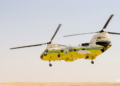
In 2024, Morocco’s defense budget reached $6.5 billion, with projections showing an annual growth rate of more than 1% from 2025 to 2029. As a major non-NATO ally of the United States, Morocco has spent $8.545 billion through the Foreign Military Sales program on American equipment. This includes 25 F-16C/D Block 72 aircraft, 36 AH-64E Apache attack helicopters, and three CH-47D Chinook helicopters, all part of a broader effort to update its air force. The C-130 upgrades fit squarely into this strategy, ensuring that Morocco’s transport capabilities keep pace with its growing military ambitions. The RMAF’s history with the C-130 includes earlier efforts to expand its fleet. On July 18, 2019, Morocco requested two additional C-130H Hercules aircraft from the United States under the Excess Defense Articles (EDA) program.
The U.S. government approved the transfer in June 2020, providing the planes along with six C-130H pylons and fuel tanks for approximately $60.8 million. These aircraft, like the rest of the fleet, are built for a wide range of tasks. The C-130, with over 2,500 units delivered to 63 nations, is known for its ability to handle airlift support, Antarctic ice resupply, aeromedical evacuations, weather reconnaissance, aerial spraying, and firefighting. For Morocco, these capabilities have proven invaluable, and the modernization will keep them accessible well into the future. Beyond the L3Harris contract, Morocco is taking steps to strengthen its domestic defense industry.
In 2022, the Kingdom of Morocco partnered with Lockheed Martin and Belgian companies Sabca and Sabena Aerospace, part of the Blueberry Group, to create Maintenance Aero Maroc (MAM). This joint venture is building a 15,000-square-meter Maintenance, Repair, Overhaul, and Upgrade (MRO&U) center at Benslimane Airport, set to begin operations in 2025. The facility will initially focus on maintaining and modernizing the RMAF’s C-130 fleet and is expected to create up to 300 jobs. The Blueberry Group has also worked with the Moroccan Air Force to upgrade its Dassault Mirage F1 and Alphajet aircraft, showing Morocco’s intent to develop a robust local maintenance capability. This center will complement the work being done by L3Harris in Texas, providing ongoing support for the C-130s once they return to service. Looking forward, Morocco is exploring new options to enhance its airlift capacity.
In March 2024, a Brazilian Air Force Embraer C-390 Millennium tactical transport aircraft, registered as PT-ZNG, was evaluated at Rabat. Following this, Morocco joined the C-390 User Group, a move confirmed by the inclusion of the Moroccan flag in a presentation at a group conference. Negotiations with Embraer have reportedly progressed to an advanced stage, with discussions about local manufacturing of the C-390 in Morocco. This modern aircraft could either complement the RMAF’s C-130s or eventually replace the oldest models, offering a fresh option for troop transport, medical evacuations, and cargo delivery. The potential addition of the C-390 shows Morocco’s forward-thinking approach to its air force, balancing modernization of existing assets with the acquisition of new technology. Subsequently, Morocco signed an MoU with Embraer to launch potential joint projects across areas in commercial aviation, defence and urban air mobility.
The L3Harris modernization project marks a key moment for Morocco’s military aviation. By upgrading its C-130 fleet, the country ensures that these aircraft can continue to meet the demands of tactical operations, humanitarian missions, and special assignments. This effort builds on Morocco’s strong partnership with the United States and its growing defense budget, while local initiatives like Maintenance Aero Maroc lay the groundwork for self-sufficiency in aircraft maintenance. As the work begins in 2025, the Royal Moroccan Air Force will gain a revitalized fleet, ready to support the nation’s defense objectives and respond to challenges both at home and abroad. With an eye on future acquisitions like the C-390, Morocco is clearly committed to maintaining a capable and versatile air force for decades to come.