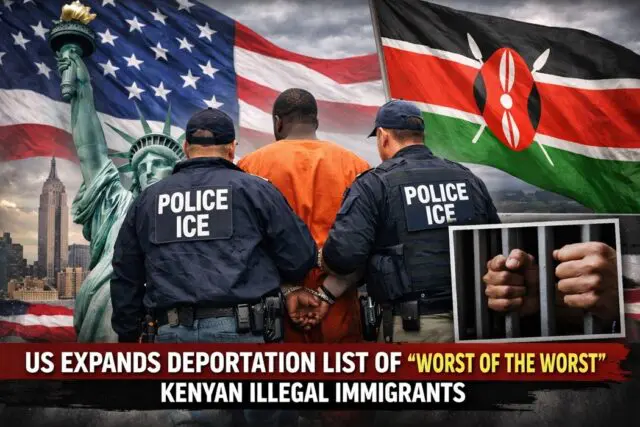
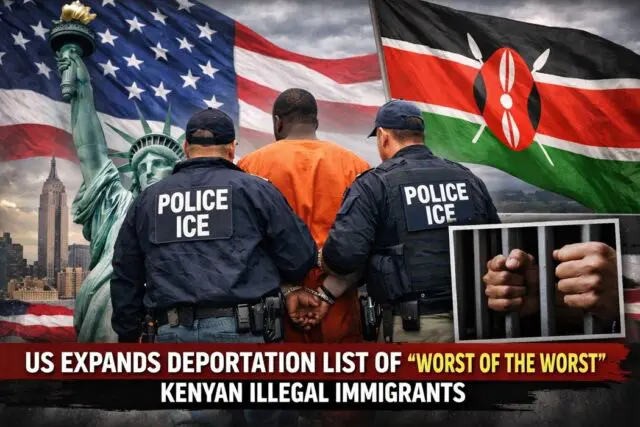
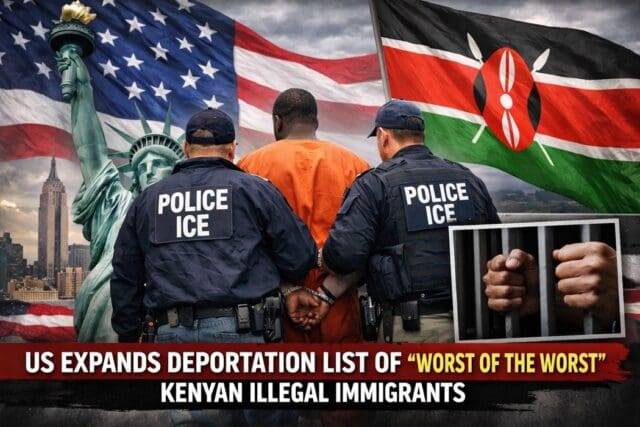
Kenyan immigrant families in Minnesota are living in heightened fear following a massive federal immigration enforcement surge that has intensified deportation operations across the Twin Cities metro area. The crackdown, which reportedly involves nearly 2,000 federal agents, has sent shockwaves through immigrant communities with deep social and economic roots in the state.
The situation has drawn strong concern from Huldah Momanyi Hiltsley, a Kenyan-born Minnesota legislator. She has publicly raised alarm over the psychological and social impact of recent Immigration and Customs Enforcement (ICE) operations.
Speaking both as a lawmaker and an immigrant, Hiltsley said many families are now afraid to carry out basic daily activities. These include going to work, taking children to school, or seeking medical care.
“People are living in constant fear. Parents are scared of being separated from their children, and entire communities are being traumatized,” Hiltsley said. “This is tearing families apart.”
Over 3,000 Arrests in Minnesota Since December
Federal authorities have confirmed that more than 3,000 immigration-related arrests have been conducted in Minnesota since early December 2025 as part of a broader national enforcement operation.
Several Kenyan nationals have reportedly been listed by the U.S. Department of Homeland Security (DHS) among individuals labeled as the “worst of the worst,” with some arrested in Minnesota on charges including:
- Check forgery
- Money laundering
- Rape – Drug-Induced
- Identity-related offenses
- Vehicle Theft
- Aggravated Assault
While DHS maintains that the operation targets individuals with criminal records, community leaders argue that many law-abiding immigrants are being swept up. This includes those with pending asylum or court cases.
Parents Transferring Custody in Fear of Detention
One of the most alarming trends emerging from the crackdown is that some Kenyan immigrant parents are legally transferring parental authority to neighbors, friends, or teachers.
These arrangements are meant to ensure that their children — many of whom are U.S. citizens by birth — will be cared for. This is to protect them if parents are suddenly detained or deported.
Legal advocates say this reflects a deep sense of panic within immigrant households.
“We are seeing families preparing for the worst — writing emergency letters, giving guardianship papers, and even teaching children what to do if their parents disappear,” said a Minneapolis-based immigration attorney.
Economic Impact: Immigrant Businesses Empty
The enforcement surge has had a visible economic impact across immigrant commercial hubs in Minneapolis, particularly:
- Karmel Mall
- 24 Somali Mall
- Cedar-Riverside neighborhood
Business owners report drastic declines in customer traffic. Some restaurants are now operating with only the owners present. This is because workers and delivery drivers avoid leaving their homes for fear of being stopped by federal agents.
“Even Uber and DoorDash drivers are scared. People don’t want to risk being pulled over or questioned,” said a Kenyan restaurant owner in South Minneapolis.
Fatal Shooting Sparks Protests
Tensions escalated dramatically in mid-January 2026 following the fatal shooting of Renee Good by an ICE agent during an enforcement action.
The incident triggered protests across Minneapolis and St. Paul, with demonstrators accusing federal agents of excessive force and lack of accountability.
Clashes between protesters and federal officers reportedly led to the deployment of tear gas. This further inflamed public anger and fear.
Sanctuary Cities vs Federal Enforcement
Despite the escalating crackdown, officials in Minneapolis and St. Paul have reaffirmed their status as sanctuary cities, pledging not to cooperate with ICE operations.
However, federal agents have allegedly bypassed local coordination, carrying out raids without notifying city authorities. Critics say this move undermines trust between immigrant communities and local government.
“We are seeing federal enforcement acting independently of local law enforcement, which is creating chaos and fear on the ground,” said a city council member in St. Paul.
Kenyan Immigrants Trapped in Legal Limbo
Many Kenyan immigrants in Minnesota remain in legal limbo, especially those with:
- Pending asylum cases
- Immigration court hearings scheduled in 2026
- Temporary protected statuses
- Expired visas awaiting adjustment
Although they are actively pursuing legal pathways, they remain technically deportable. This makes them vulnerable to immediate arrest under current enforcement policies.
Community advocates warn that the system is punishing people who are trying to follow the law.
“These are not criminals hiding from the system. These are families with court dates, lawyers, and U.S.-born children,” said a Kenyan community organizer.
A Diaspora Community on Edge
For Minnesota’s Kenyan diaspora — one of the fastest-growing African immigrant communities in the state — the situation has created a climate of fear, uncertainty, and silence.
Many families are now avoiding public spaces, religious gatherings, and even hospitals. Mental health professionals report rising cases of anxiety, depression, and trauma within immigrant households.
As federal enforcement intensifies, Kenyan immigrants — like many other diaspora communities — are left asking a painful question: Is America still a safe place to call home?