

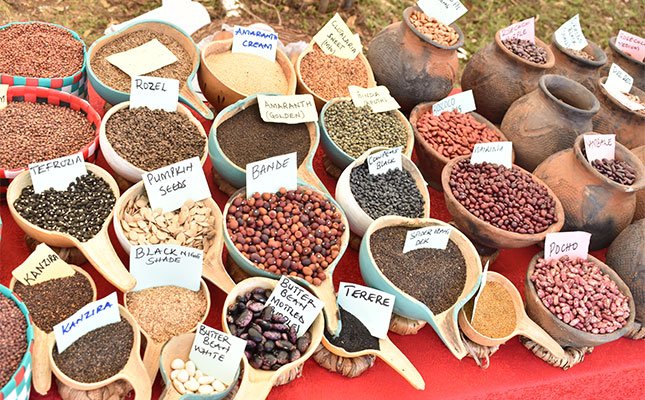
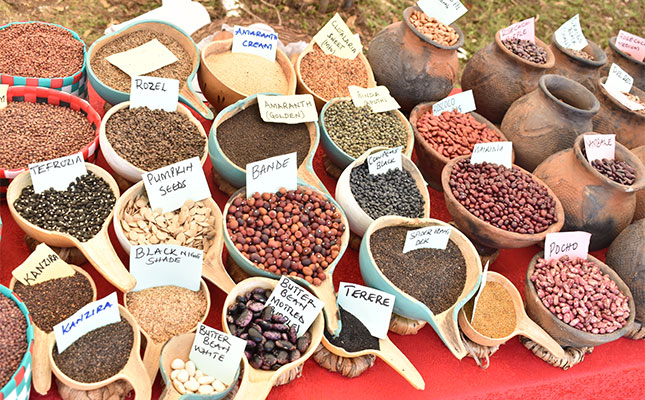
Kenyan farmers have received a temporary reprieve in their seed-saving battle after the government failed to overturn a High Court ruling protecting farmers’ right to save, share, and exchange indigenous seeds.
– ADVERTISEMENT –
The case focuses on whether Kenya’s seed laws unfairly criminalise traditional seed systems used by smallholder farmers.
These systems, and the exchange of indigenous knowledge, have long underpinned smallholder farming in Kenya, which produces more than 70% of the country’s food.
At the centre of this challenge is the Seed and Plant Varieties Act, under which farmers can face fines of up to KSh1 million (about R128 000) and two years in jail for selling or exchanging unregistered seeds.
In November 2025, 15 smallholder farmers, supported by the Seed Savers Network Kenya and other organisations, won a High Court ruling that removed criminal penalties for distributing uncertified seeds and limited inspectors’ powers to raid community seed banks.

The ruling also protected farmer-managed seed systems, which supply a substantial proportion of seeds currently used in Kenya.
However, the Kenya Plant Health Inspectorate Service (KEPHIS) soon filed a notice of appeal seeking to suspend the judgment. In early March 2026, the Court of Appeal rejected the request, leaving the High Court protections in place until the full appeal hearing, scheduled for some time between May and July 2026.
Greenpeace Africa food campaigner Elizabeth Atieno said in an online campaign that the case was an attempt by the government and large seed companies to maintain a monopoly over what farmers can plant.
“If government succeeds, it sets a dangerous precedent that could embolden corporate control over food in Africa,” she warned.
Speaking to Farmer’s Weekly, Gideon Muya, programmes officer at the Biodiversity and Biosafety Association of Kenya, said this is causing mistrust among smallholders and indigenous seed custodians, as regulatory processes appear to favour commercial seed systems over farmer-managed ones.
“It is important to strike a balance; farmers’ rights and plant breeders’ rights should coexist, not conflict. Overemphasis on breeders’ rights without safeguarding farmers’ traditional practices risks criminalising age-old practices and undermining seed sovereignty,” he explained.
KEPHIS argued in court that enforcement against fake seed factories and illegal traders will become more difficult if the law is changed. It also warned that the lack of a clear legal definition of ‘indigenous seed’ could allow uncertified seeds onto the market under the guise of traditional varieties.
KEPHIS predicts an increase in infringements of plant breeders’ rights if effective safeguards are not in place to distinguish protected commercial varieties from farmer-saved or indigenous seed.
Muya added that the moment offers an opportunity for Kenya to develop a balanced, inclusive seed policy framework recognising both innovation and tradition.
“Farmers are not just consumers of seed; they are innovators, custodians of biodiversity, and key actors in food security.
“Sustainable seed-saving policies must be farmer-centred, biodiversity-driven, and legally protected,” he said.
Uncertainty in the sector has been further heightened by a proposed amendment to the Act currently before Kenya’s Senate Standing Committee on Agriculture, Livestock and Fisheries.
The bill proposes a parallel crop varieties registration system under the Kenya Bureau of Standards as an alternative to the existing KEPHIS certification process. It affects 19 crops, including barley, canola, chickpeas, millets, oats, sorghum, and wheat, and aims to shorten the average seed approval time from four years to a more flexible timeframe.
Muya cautioned that parallel systems could fragment regulation and create conflicting standards. The focus on crops such as sorghum, millet, and chickpeas, traditionally managed by farmers, could accelerate commercialisation and sideline smallholders.


