


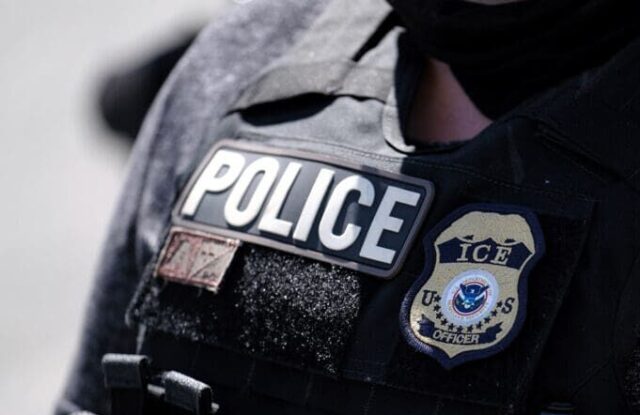
A disturbing case of immigration enforcement has emerged in Texas: a Kenyan‐born Anglican cleric serving in the U.S. has been taken into custody by U.S. Immigration and Customs Enforcement (ICE)—despite working legally and holding employment with the state of Texas.
According to multiple reports, James Eliud Ngahu Mwangi, a priest affiliated with The Episcopal Diocese of Texas, was arrested on or about October 25, 2025, in the Conroe/Houston area.
– Advertisement –
Key Facts of the Case
- Mwangi is originally from Kenya and serves as an ordained clergy member in the Episcopal Church.
- He is legally employed by the Texas Department of Criminal Justice (TDCJ) as part of his bi‐vocational ministry (church work + state employment).
- According to the Diocese, Mwangi holds a valid work permit (and has documentary proof of his immigration status) yet was nonetheless detained by ICE.
- His car—containing his legal immigration documents—was reportedly towed after the incident in which he was stopped.
- The Diocese is seeking transparency and accountability from immigration authorities, saying they do not know why he was targeted, and are providing both pastoral and legal support to him and his family.
Implications and Questions Raised
1. Immigration enforcement and legal status
The detention of an individual who holds a valid work permit and is serving both church and state roles raises serious questions. These questions pertain to the criteria and procedures used by ICE in enforcement actions. The case highlights how immigration enforcement may intersect with faith communities and state‐employed foreigners.
2. Role of religious institutions and immigrant communities
The Episcopal Diocese of Texas has emphasized that this individual has faithfully served both the church and public sector. The detention has sparked concern within religious and immigrant communities. This is especially true given the lack of clear explanation from government authorities.
– Advertisement –
3. Public service, community impact, and safety
Because Mwangi is employed by the Texas Department of Criminal Justice, his removal from the system may have broader implications. It affects the continuity of community services and the workforce in correctional facilities. Some faith leaders have pointed out the potential ramifications for public safety. These occur when state‐employed staff are unexpectedly removed.
4. Calls for due process and transparency
The Diocese’s statement makes clear its call for “fair and humane treatment” and transparency from immigration authorities. It also asks for respect for workers who serve the state while holding lawful status. This case may become a sentinel incident. It could influence debates about immigration enforcement of legally present workers and clergy.
Concluding Thoughts
The case of Rev. James Eliud Ngahu Mwangi underscores tensions at the intersection of immigration policy, public service employment, and faith‐based communities in the United States.
When a legally employed clergy member is detained despite documented authorization to work, it prompts urgent questions. These questions touch on enforcement discretion, due process, and the treatment of immigrants serving America’s institutions.
As this situation unfolds, it will be important to monitor how the church, legal advocates, and government officials respond—and whether this leads to broader scrutiny of similar cases.


