

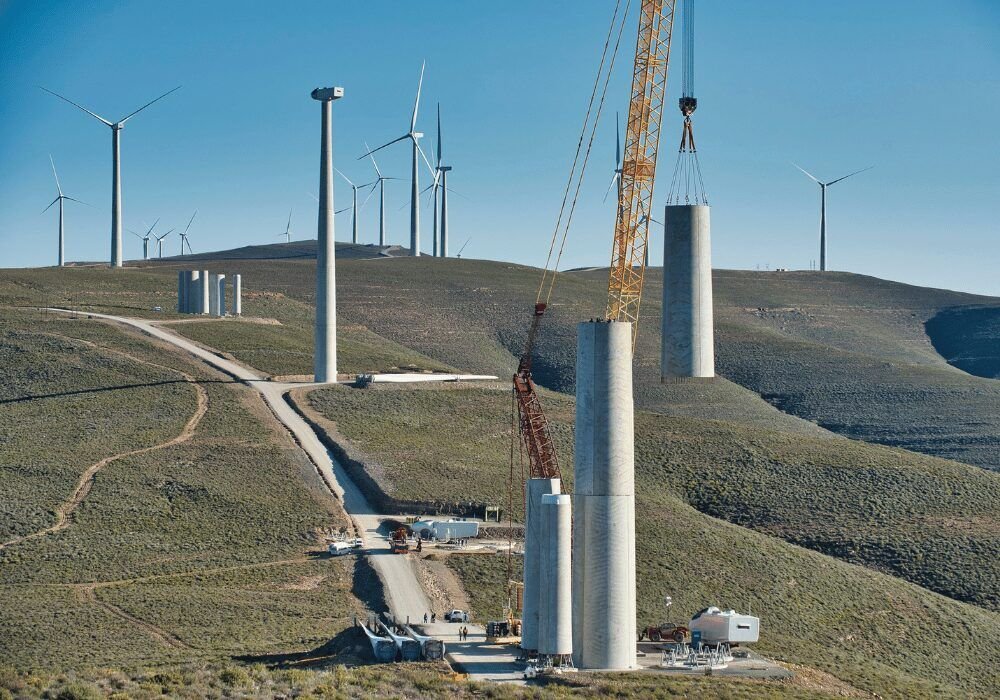
South Africa’s transition toward renewable energy is reshaping the national landscape. Across the country, cranes, graders and concrete mixers are hard at work on wind and solar farms that will supply the next generation of clean power. But beyond the visible turbines and solar panels lies the crucial groundwork that makes every project possible – the specialised civil engineering work that provides the platforms, roads and foundations for a sustainable future.
From building access roads and haul routes to pouring reinforced-concrete foundations for turbine towers, civil engineering contractors form the backbone of renewable energy construction. Their expertise ensures that every structure is stable, every site accessible and every cable securely routed. According to the Bargaining Council for the Civil Engineering Industry (BCCEI), these activities fall squarely within the civil-engineering scope and that means companies performing this work are required by law to register with the Council.
“Renewable energy projects depend on solid civil engineering fundamentals,” Natasha Ramsawhook , Legal Advisor at the BCCEI, explains.
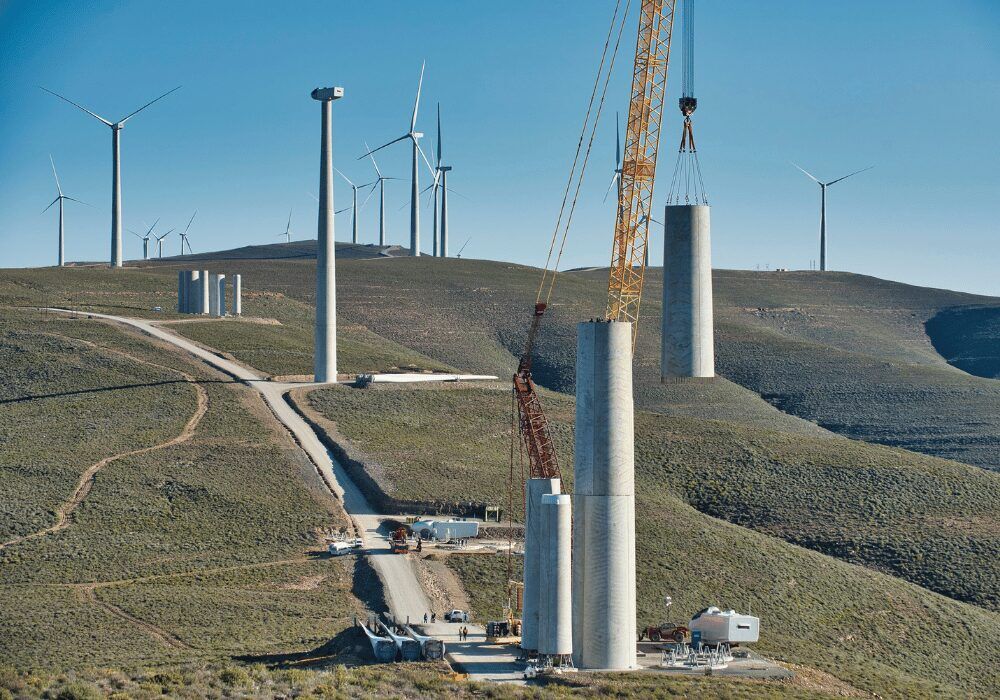
Durable reinforced concrete foundations and structural works provide the essential stability that keeps renewable energy infrastructure operating reliably for decades.
“Foundations, cable trenches, roads, drainage systems and substations are all civil works that fall within our regulated framework. The companies carrying out this work play a vital role in South Africa’s energy transition and it is essential that they operate within the country’s legal and ethical labour standards.”
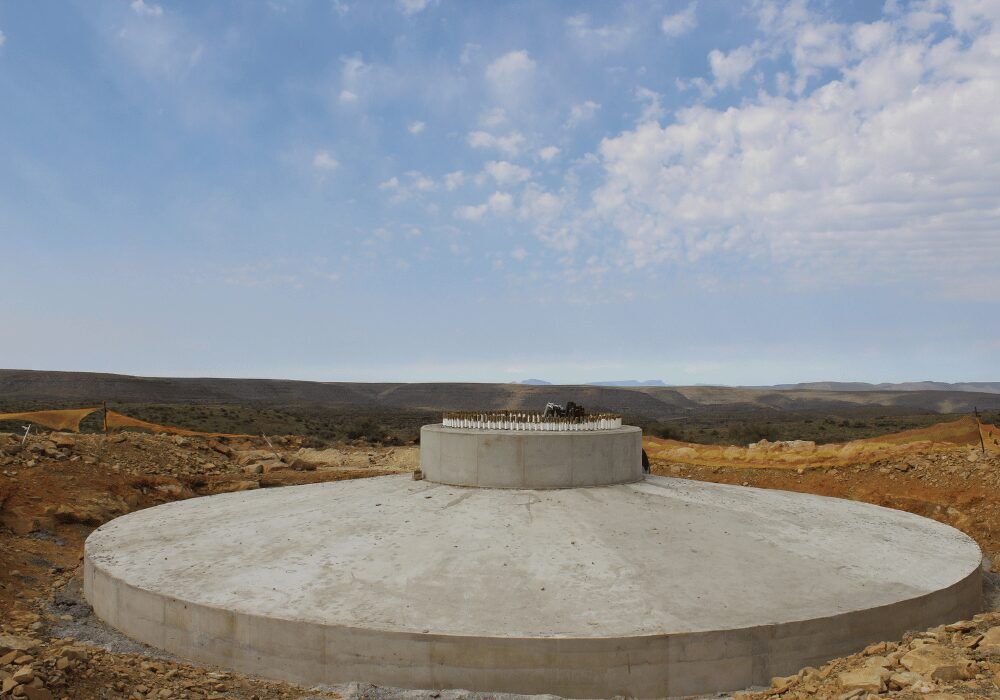
From turbine foundations to working platforms and access roads, each element showcases the technical expertise of civil engineering contractors.
Before a turbine can turn, civil contractors spend months preparing the terrain. Bulk earthworks, site clearance and compaction ensure stable ground conditions, topsoil must be stripped and stockpiled for rehabilitation, access roads are built to handle trucks carrying 80 plus metre long blades and heavy tower sections.
Once the earthworks are complete, deep concrete foundations are poured to anchor the turbines, while reinforced concrete pads are constructed for substations, transformers and maintenance facilities. Trenches are excavated for electrical and communication cables and storm-water drainage systems are installed to protect against flooding and erosion. Every one of these tasks is defined as civil engineering work and therefore falls under the BCCEI’s scope of regulation.
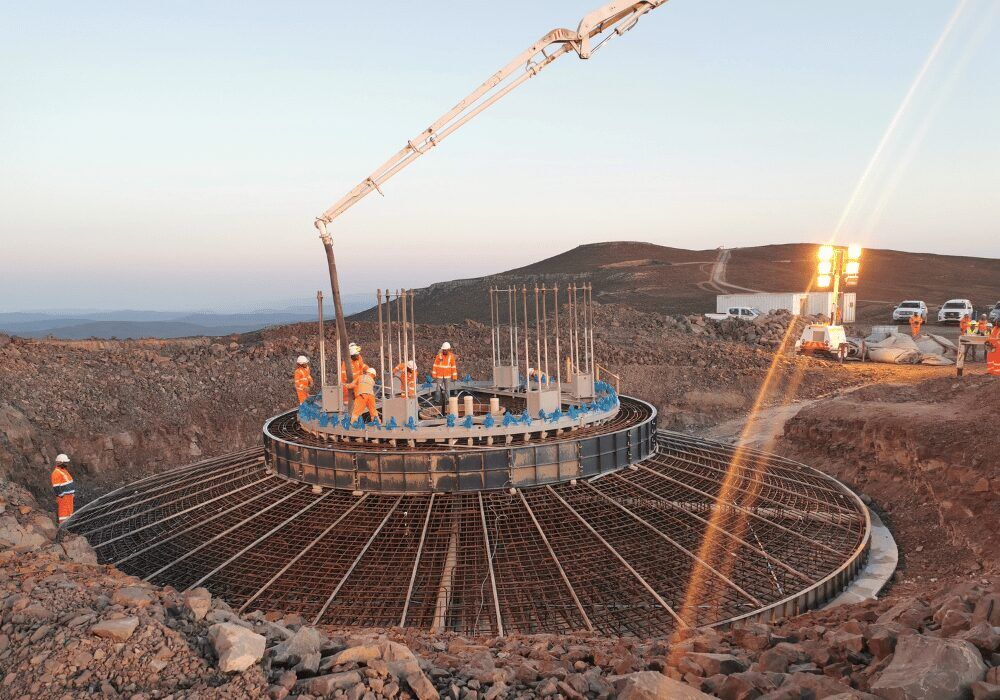
: Consistent labour practices and regulated employment conditions help civil engineering teams deliver renewable energy infrastructure safely and efficiently.
The BCCEI, established under South Africa’s Labour Relations Act, regulates employment conditions within the civil engineering industry through six collective agreements. These cover wages, working hours, benefits and dispute resolution processes. Registration with the BCCEI is not optional – it ensures that companies comply with national labour legislation and it safeguards both employers and employees through transparent standardised practices. Non-compliance can result in financial penalties, back-payments, reputational damage and even disqualification from public tenders. Ramsawhook stresses that registration also brings tangible business benefits. It provides contractors with a Letter of Good Standing, confirming their compliance and improving eligibility for future projects. It also signals to developers and EPC contractors that a company operates ethically and professionally – a key consideration in a sector increasingly funded by international investors who demand strong governance and fair labour compliance. “Compliance isn’t just an administrative exercise,” she says. “It is about building a resilient professional industry that protects workers, upholds standards and supports sustainable growth. When contractors register with the BCCEI, they are strengthening their own businesses and contributing to the stability of South Africa’s renewable energy rollout.” As South Africa moves deeper into its just energy transition, civil engineering contractors are literally laying the foundations for a cleaner more resilient future. Their work enables the power lines, substations and roads that keep renewable-energy projects running – and through the BCCEI, the industry is ensuring that this progress rests on fair labour practices and sound governance.
“Our message to contractors is simple,” Ramsawhook concludes. “If your company is performing civil works on renewable energy projects, whether as a main contractor or a subcontractor, you are part of the civil engineering industry and must be registered.”


