• Business
  • Markets
  • Politics
  • Crypto
  • Finance
  • Intelligence
    • Policy Intelligence
    • Security Intelligence
    • Economic Intelligence
    • Fashion Intelligence
  • Energy
  • Technology
  • Taxes
  • Creator Economy
  • Wealth Management
  • LBNN Blueprints
  • Business
  • Markets
  • Politics
  • Crypto
  • Finance
  • Intelligence
    • Policy Intelligence
    • Security Intelligence
    • Economic Intelligence
    • Fashion Intelligence
  • Energy
  • Technology
  • Taxes
  • Creator Economy
  • Wealth Management
  • LBNN Blueprints

Interstellar Comet 3I/ATLAS Is Spewing Water Like a Cosmic Fire Hydrant

Simon Osuji by Simon Osuji
October 14, 2025
in Artificial Intelligence
0
Interstellar Comet 3I/ATLAS Is Spewing Water Like a Cosmic Fire Hydrant
0
SHARES
0
VIEWS
Share on FacebookShare on Twitter


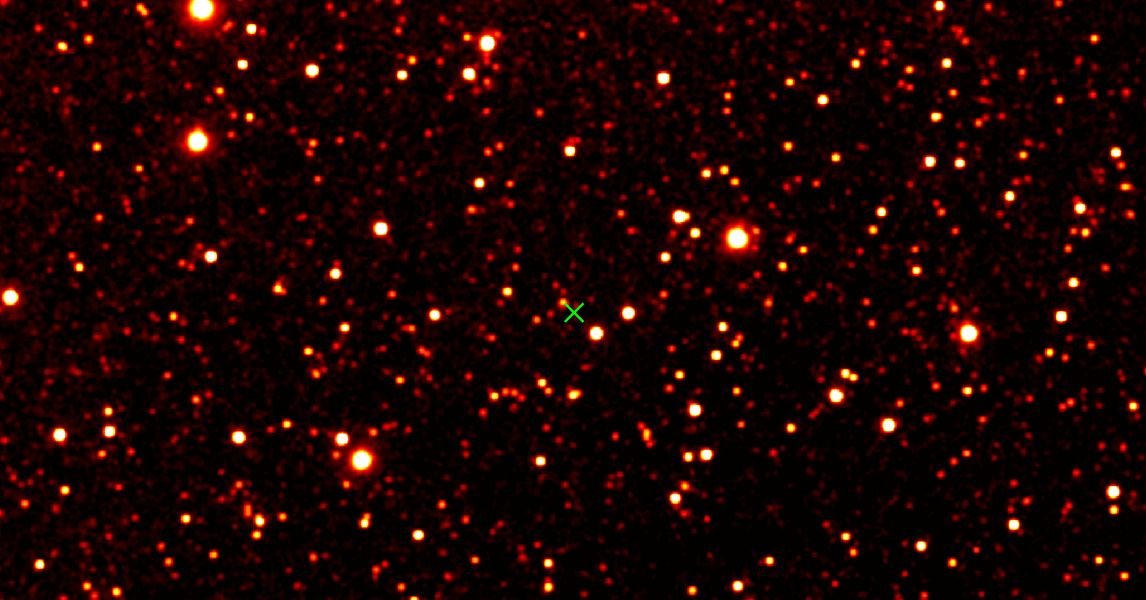
Comet 3I/Atlas continues to be full of surprises. As well as being only the third interstellar object ever detected, new analysis shows it is producing hydroxyl (OH) emissions, with these compounds betraying the presence of water on its surface. This discovery was made by a team of researchers at Auburn University in Alabama using NASA’s Neil Gehrels Swift Observatory, and was described in a study published in The Astrophysical Journal Letters.

Hydroxyl compounds are detectable via the ultraviolet signature they produce. But on Earth, a lot of UV wavelengths are blocked by the atmosphere, which is why the researchers had to use the Neil Gehrels Swift Observatory—a space telescope free from interference experienced by observatories on Earth.

Water is present in virtually every comet seen in the solar system, so much so that the chemical and physical reactions of water are used to measure, catalog, and track these celestial objects and how they react to the heat of the sun. Finding it on 3I/ATLAS means being able to study its characteristics using the same scale used for regular comets, and this information could in future be useful data for studying the processes of comets that originate in other star systems as well.

“When we detect water—or even its faint ultraviolet echo, OH—from an interstellar comet, we’re reading a note from another planetary system,” said Dennis Bodewits, an Auburn University physicist who collaborated on the research, in a press statement. “It tells us that the ingredients for life’s chemistry are not unique to our own.”

Comets are frozen hunks of rock, gases, and dust that usually orbit stars (the exceptions being the three interstellar objects found so far). When they’re far away from a star, they’re completely frozen, but as they get closer, solar radiation causes their frozen elements to heat up and sublimate—turn from solid into gas—with some of this material emitted from the comet’s nucleus thanks to the star’s energy, forming a “tail.”

But with 3I/ATLAS, data collected revealed an unexpected detail: OH production by the comet was already happening far away from the sun—when the comet was more than three times farther from the sun than the Earth—in a region of the solar system where temperatures normally aren’t sufficient to easily produce the sublimation of ice. Already at that distance, however, 3I/ATLAS was leaking water at the rate of about 40 kilograms per second, a flow comparable—the study authors explain—to that of a “hydrant at maximum power.”

This detail would seem to indicate a more complex structure than what is usually observed in comets in the solar system. It could, for example, be explained by the presence of small fragments of ice detaching from the comet’s nucleus, and which are then vaporized by the heat of sunlight, going on to feed a gaseous cloud that surrounds the celestial body. This is something that has so far been observed only in a small number of extremely distant comets, and which could provide valuable information about the processes from which 3I/ATLAS originated.

“Every interstellar comet so far has been a surprise,” said Zexi Xing, an Auburn University researcher and coauthor of the discovery, in a press statement. “‘Oumuamua was dry, Borisov was rich in carbon monoxide, and now ATLAS is giving up water at a distance where we didn’t expect it. Each one is rewriting what we thought we knew about how planets and comets form around stars.”

This story originally appeared on WIRED Italia and has been translated from Italian.



Source link

Related posts

The Curling Controversy at the Winter Olympics Isn’t What You Think

The Curling Controversy at the Winter Olympics Isn’t What You Think

February 18, 2026
Meta and Other Tech Companies Ban OpenClaw Over Cybersecurity Concerns

Meta and Other Tech Companies Ban OpenClaw Over Cybersecurity Concerns

February 17, 2026
Previous Post

AstraZeneca cuts US drug pricing deal; FDA declares Novo plant out of compliance

Next Post

The rural West’s increasing health care costs haunt the shutdown

Next Post
The rural West’s increasing health care costs haunt the shutdown

The rural West’s increasing health care costs haunt the shutdown

Leave a Reply Cancel reply

Your email address will not be published. Required fields are marked *

RECOMMENDED NEWS

Network International’s Local Payment Platform Delivers Sterling Results in 6 Months – IT News Africa

Network International’s Local Payment Platform Delivers Sterling Results in 6 Months – IT News Africa

2 years ago
Depression and Anxiety Are Not Cancer Risk Factors

Depression and Anxiety Are Not Cancer Risk Factors

3 years ago
Sudan Accuses UAE of Arming Opposition: UNSC Clash

Sudan Accuses UAE of Arming Opposition: UNSC Clash

2 years ago
China’s Dollar Divorce Is Happening Faster Than Expected

China’s Dollar Divorce Is Happening Faster Than Expected

5 months ago

POPULAR NEWS

  • Ghana to build three oil refineries, five petrochemical plants in energy sector overhaul

    Ghana to build three oil refineries, five petrochemical plants in energy sector overhaul

    0 shares
    Share 0 Tweet 0
  • The world’s top 10 most valuable car brands in 2025

    0 shares
    Share 0 Tweet 0
  • Top 10 African countries with the highest GDP per capita in 2025

    0 shares
    Share 0 Tweet 0
  • Global ranking of Top 5 smartphone brands in Q3, 2024

    0 shares
    Share 0 Tweet 0
  • When Will SHIB Reach $1? Here’s What ChatGPT Says

    0 shares
    Share 0 Tweet 0

Get strategic intelligence you won’t find anywhere else. Subscribe to the Limitless Beliefs Newsletter for monthly insights on overlooked business opportunities across Africa.

Subscription Form

© 2026 LBNN – All rights reserved.

Privacy Policy | About Us | Contact

Tiktok Youtube Telegram Instagram Linkedin X-twitter
No Result
View All Result
  • Home
  • Business
  • Politics
  • Markets
  • Crypto
  • Economics
    • Manufacturing
    • Real Estate
    • Infrastructure
  • Finance
  • Energy
  • Creator Economy
  • Wealth Management
  • Taxes
  • Telecoms
  • Military & Defense
  • Careers
  • Technology
  • Artificial Intelligence
  • Investigative journalism
  • Art & Culture
  • LBNN Blueprints
  • Quizzes
    • Enneagram quiz
  • Fashion Intelligence

© 2023 LBNN - All rights reserved.