

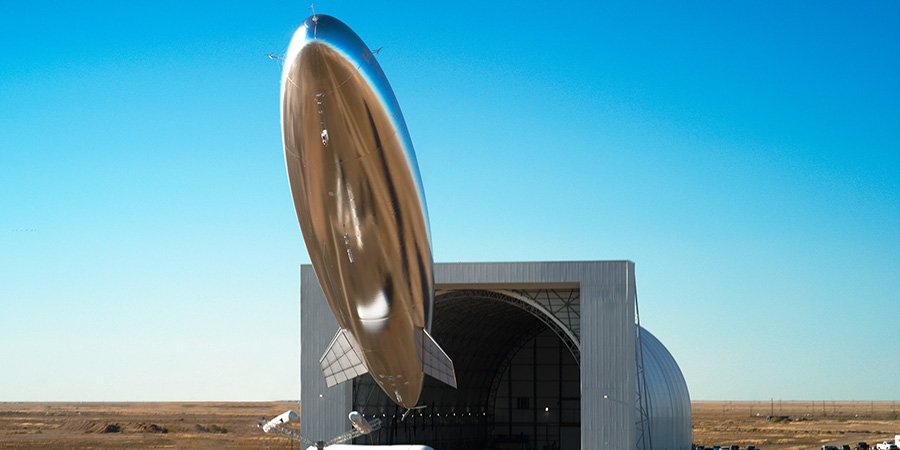

Sceye, a U.S. aerospace startup, is developing solar‑powered, helium‑filled stratospheric drones designed to operate at around 60,000 ft (~18 km).
These high‑altitude platform systems (HAPS) float above weather patterns and commercial air traffic, using powerful solar arrays and advanced lithium‑sulfur batteries to run continuously, even through the night. They can hold position in high winds and carry heavy payloads, making them ideal for stable, long‑range internet, environmental monitoring, and wildfire detection.
SoftBank recently secured a pre‑commercial HAPS mission in Japan for 2026. This move aligns with SoftBank’s push toward building next‑gen 6G networks. They envision these platforms working alongside satellites and terrestrial networks to provide fast, low‑latency broadband, particularly in remote or disaster‑stricken regions where infrastructure is damaged or sparse.
Sceye’s prototypes have survived over 20 test flights and can potentially stay aloft for months—or even up to a year—thanks to their durable, UV‑ and ozone‑resistant envelopes, which are 1,500 times more gas‑tight than earlier models. With this tech, Sceye and SoftBank aim to usher in a more connected world and prepare the groundwork for 6G deployments.


