NEW DELHI: The United States and India have released an interim framework for a trade deal, paving the way for an agreement that would lower tariffs, reconfigure energy ties and deepen economic cooperation as both seek to realign global supply chains.
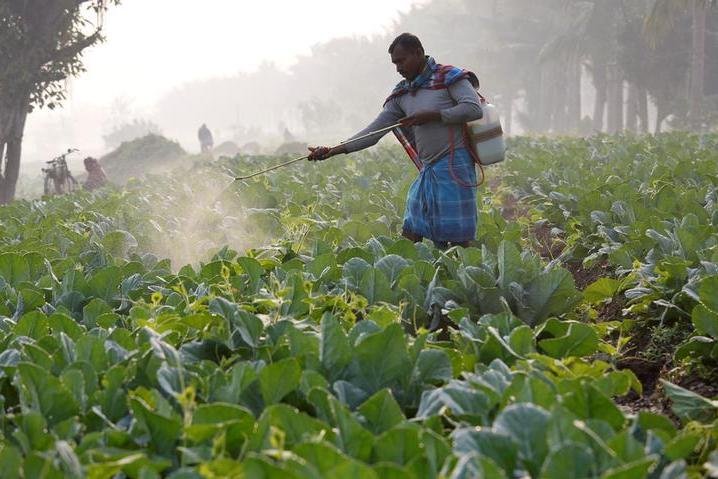
The India–U.S. joint statement suggested that New Delhi pushed back against Washington’s efforts to broadly open its agricultural market. However, India has agreed to lower trade barriers on some farm goods, drawing criticism from farmers and opposition parties.
WHO GAINS FROM INDIA’S DECISION TO ALLOW IMPORTS OF DDGS AND SOYOIL, AND WHO LOSES OUT?
India is expected to allow imports of protein-rich distillers dried grains with solubles (DDGS), a byproduct of ethanol made from corn and other grains, from the United States, adding to a surplus in the domestic market.
Higher supplies of DDGS could benefit India’s nearly $30 billion poultry sector, where feed costs account for around 60-70% of total production expenses, by helping reduce expensive feed purchases.
Domestic oilseed processors and soybean farmers, however, may lose out if U.S. imports rise.
There are already surplus supplies of DDGS in India, weakening demand for oilmeals such as soyameal, putting pressure on Indian oilseed prices and prompting farmers to switch from soybean and peanuts to corn and rice, despite New Delhi’s push to boost oilseed cultivation and curb imports.
As supplies of DDGS increase further, India’s ethanol producers – already struggling with idle capacity and slowing demand after the country achieved its 20% biofuel blending target – may face lower earnings from DDGS sales in the domestic market.
Prospects of duty-free imports of soyoil from the U.S. have raised some concerns in India. But, under the current framework, duty-free soyoil imports will be allowed only under a tariff-rate quota, meaning volumes above the quota will face standard tariffs, a move aimed at protecting domestic producers.
WILL DUTY-FREE COTTON IMPORTS AFFECT INDIAN FARMERS?
India currently imposes an 11% duty on cotton imports, and allowing duty-free imports from the world’s largest exporter of the fiber could put pressure on domestic prices.
However, the impact is expected to be limited, as the government has permitted only imports of extra-long staple cotton, and that too under a quota.
Although India is the world’s second-largest cotton producer, it struggles to meet the textile industry’s demand for extra-long staple cotton, which it imports from the U.S., Egypt, Brazil and Australia.
DO CONCESSIONAL IMPORTS OF APPLES AND DRY FRUITS THREATEN INDIAN FARMERS?
India is the world’s fifth-largest apple producer, but domestic supplies fall short of rising demand, driven by population growth and increasing prosperity.
New Delhi imports around 500,000 metric tons of apples annually from Iran, Turkey, Afghanistan, the U.S. and Chile. Under a trade deal with the U.S., imports will be allowed at a concessional duty of 25% and a minimum import price of 80 rupees per kg, effectively preventing shipments below 100 rupees per kg and helping protect Indian farmers.
Consumption of dry fruits such as walnuts, almonds and pistachios has also been rising in India. Domestic production of these commodities is limited, so concessional imports are unlikely to affect local farmers.
ARE INDIAN FARMERS LIKELY TO BENEFIT FROM THE TRADE DEAL?
Indian growers of tea, coffee, spices and fruits are set to gain from the trade deal, as the U.S. has granted duty-free access for these products.
The reduction of import duties on rice to 18% is also expected to support exporters of both premium basmati and non-basmati varieties. (Reporting by Rajendra Jadhav and Mayank Bhardwaj; Editing by Anil D’Silva)