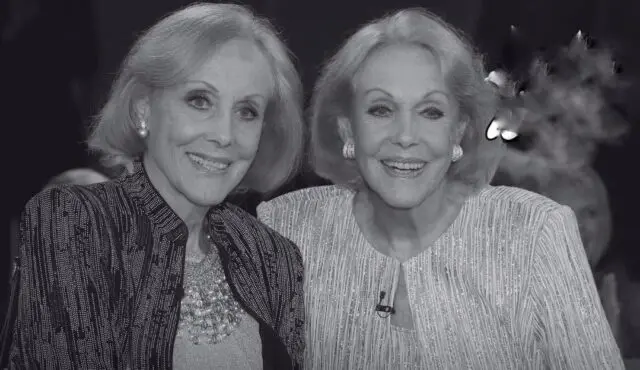
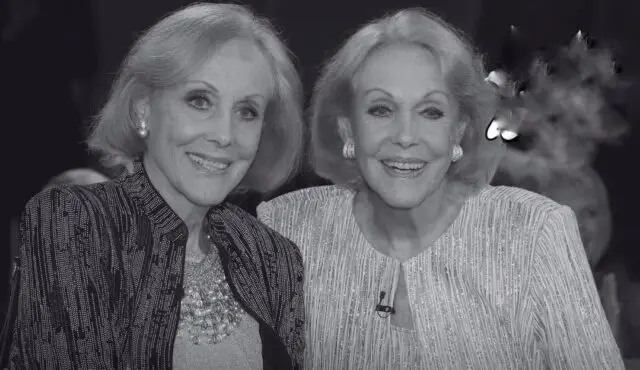

Berlin / Grünwald, November 20, 2025 — Alice and Ellen Kessler, Germany’s legendary twin entertainers, died together on November 17, 2025, in a carefully planned assisted suicide at their home in Grünwald, a wealthy suburb of Munich. The twins, aged 89, made the deeply personal decision with the support of the Deutsche Gesellschaft für Humanes Sterben (DGHS) — the German Society for Humane Dying — which confirmed that their choice was “well-considered, long-standing, and free from any psychiatric crisis.”
A Lifelong Bond: Their Final Wish
The Kessler twins were inseparable throughout their lives, both personally and professionally. In an April 2024 interview with Corriere della Sera, they revealed a wish that underscored this bond: “to go away together on the same day.” They said it was unbearable to think one sister might die before the other.
In private conversations just two days before their death, they wrote to the DGHS, expressing gratitude:
“We are glad that the DGHS exists and that we can end our lives with dignity.”
– Advertisement –
Health Struggles and Quality of Life
While both sisters enjoyed long and celebrated careers, their later years were marked by declining health. According to close sources:
- They suffered from heart problems and had lost their sense of taste and smell.
- Ellen had endured a brain-stem infarction (stroke), which significantly affected her well-being.
- Their quality of life, in their own view, had deteriorated to a point where they no longer saw a “life worth living.”
According to DGHS, the twins had been members for over a year and had undertaken preparatory legal and medical discussions with both a doctor and a lawyer.
Legal and Organizational Context: DGHS Involvement
The German Society for Humane Dying (DGHS) played a central role in facilitating their final act. DGHS confirmed:
- The twins’ decision adhered to legal protocols in Germany.
- They acted of their “own free will” and demonstrated full mental clarity.
- Their date of death — November 17, 2025 — was chosen by the sisters themselves after long consideration.
DGHS President Robert Roßbruch paid tribute, saying the sisters were “extraordinary and admirable people.” Their public farewell may help foster a more open discussion in Germany about assisted dying, he added.
No Foul Play, Legal in Germany
Munich police confirmed that after their deaths, there was no evidence of foul play. The case was treated as a “joint suicide,” not a crime.
Legally, assisted dying in Germany is permitted under specific conditions: a person must act on their own responsibility, be of legal age, and be of sound mind. The practice became more widely accessible after a landmark court decision in 2020, which struck down previous bans and affirmed the right to self-determined death.
Final Wishes and Legacy
In keeping with their lifelong closeness, the twins had expressed a strong desire about their final arrangement:
- They wished their ashes to be placed in a single urn, shared by the two of them.
- They also requested that the urn be laid to rest beside their mother Elsa and their beloved dog Yello.
Their union in life — from performing with Fred Astaire, Frank Sinatra, and other legends, to dazzling European television — now extends into their final act, reinforcing the inseparability that defined them.
Broader Implications: A Conversation on Assisted Dying
The Kessler twins’ decision is likely to reignite debate about assisted suicide and end-of-life autonomy in Germany and beyond. Their high profile and carefully considered exit underscore several key issues:
- Legal safeguards: Their case shows how assisted suicide can occur within a regulated framework, with medical and legal oversight.
- Public perception: As cultural icons, their departure may humanize the conversation around assisted dying, reducing stigma.
- Ethical debate: Their joint choice raises questions about emotional bonds, solidarity, and whether deeply shared lives justify shared exits.
- Policy discussions: Their openness may influence policy-makers, health-care providers, and advocacy groups in discussing how societies support end-of-life decisions.
Conclusion
Alice and Ellen Kessler did more than just entertain generations — they lived as twins in every sense and made a final, deeply personal choice to depart the world together. Their assisted suicide, carried out under legal and ethical frameworks, reflects not just their bond but also a growing acknowledgment in Germany of the right to a self-determined death. Their legacy now invites society to reflect on dignity, companionship, and the ways we honor life — and death — on our own terms.