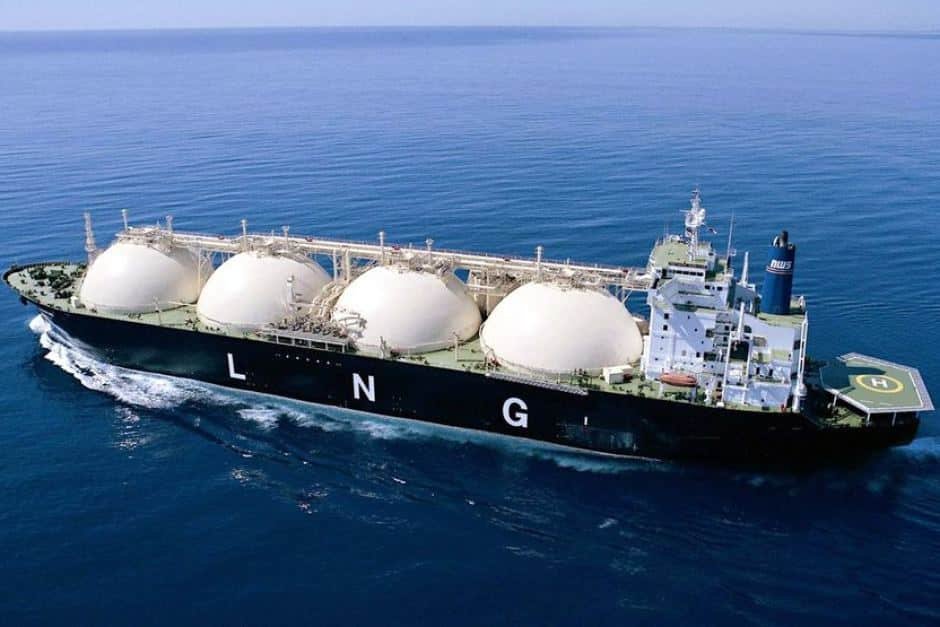
When QatarEnergy halted liquefied natural gas production following Iranian attacks on key facilities, the immediate shockwaves were felt in Europe and Asia. Prices jumped. Traders rushed to secure cargoes. Energy ministries activated contingency plans. But the aftershocks extend well beyond the Gulf.
For Africa, a continent navigating a delicate balance between energy access, fiscal stability and industrial ambition, the disruption carries significant implications.


Several African countries have turned to LNG imports to stabilise electricity generation, offset declining domestic gas output or support industrial growth.
A supply interruption from one of the world’s largest LNG exporters forces difficult questions about price exposure, security of supply and long-term strategy.
Qatar accounts for nearly one-fifth of global LNG exports. Its cargoes anchor long-term contracts in Europe and Asia and increasingly serve flexible buyers elsewhere. When such a large supplier pauses output, even temporarily, markets tighten quickly.
African LNG importers operate in a competitive global arena. Their purchasing power is often limited by foreign exchange constraints and fiscal pressures. In times of scarcity, larger economies typically secure supplies first.
The disruption also underscores a structural vulnerability. Many African economies are energy-rich on paper, yet infrastructure gaps compel them to import LNG to meet power demand.
The interplay between domestic production shortfalls and global price volatility shapes both energy policy and macroeconomic stability.
The shutdown, therefore, raises a central question: how resilient is Africa’s growing LNG import architecture in the face of global supply shocks?
The answer lies in contract structures, fiscal buffers, infrastructure flexibility and policy choices.
Qatar’s central role in LNG markets
QatarEnergy operates one of the world’s most significant LNG complexes at Ras Laffan. Its annual output exceeds 75 million tonnes, with expansion projects underway to increase capacity beyond 120 million tonnes in the coming years.
Qatar’s LNG exports underpin energy security for numerous countries. Long-term contracts dominate its sales portfolio, but a share of production reaches the spot market, where supply disruptions are felt most acutely.
Global LNG trade has become increasingly interconnected. Cargoes are redirected across continents in response to price signals.
When Qatari supply tightens, buyers seek alternative sources from the United States, Australia or emerging producers. However, capacity elsewhere is finite in the short term.
During previous global supply crises, including those triggered by geopolitical tensions in Europe, LNG prices soared above $30 per million British thermal units. Emerging markets struggled to compete.
A disruption in Qatar, even if temporary, revives concerns about concentration risk. It highlights the vulnerability of markets that rely on imported fuel to power electricity systems.
Africa’s shifting LNG import profile
Africa is home to substantial natural gas reserves, particularly in Nigeria, Algeria, Mozambique and Tanzania. Yet paradoxically, parts of the continent are increasingly reliant on LNG imports.
Egypt offers one of the clearest examples.
After years as an LNG exporter, declining domestic production and rising summer demand pushed Egypt to re-enter the import market to stabilise power generation. Floating regasification units now supplement the domestic supply during peak periods.
Ghana operates a floating storage and regasification unit in Tema, enabling LNG imports to support thermal plants that feed the national grid. Côte d’Ivoire has commissioned LNG infrastructure to bolster electricity exports to neighbouring countries.
South Africa is evaluating LNG import projects as part of its broader energy diversification strategy, seeking to reduce reliance on ageing coal plants.
Senegal and Mauritania, while preparing to export gas from offshore projects, have also explored LNG import options to bridge supply gaps.
These developments reflect a structural tension. Gas resources exist within Africa, yet financing constraints, regulatory hurdles and infrastructure gaps limit timely domestic development.
LNG imports fill the gap, but they introduce exposure to global price volatility.
Competition for scarce cargoes
In global LNG markets, cargoes flow to destinations offering the most attractive netbacks. European buyers, particularly since the disruption of Russian pipeline flows, have demonstrated readiness to pay premium prices to secure supply.
Asian importers such as Japan, South Korea and China maintain extensive long-term contracts and strong purchasing power.
African importers often rely on a mix of contracted and spot volumes.
During price spikes, they face difficult trade-offs. As has usually been said by traders in the LNG space, “when supply tightens, discretionary cargoes head to markets that can absorb higher prices. Smaller importers may struggle to compete.”
If Qatar’s shutdown persists, African buyers dependent on spot markets could encounter reduced availability or higher prices. This dynamic places pressure on national budgets and foreign exchange reserves.
Fiscal stress and subsidy dilemmas
Electricity pricing in many African countries is politically sensitive. Governments frequently subsidise generation costs to shield consumers from sharp tariff increases. When LNG import prices rise, subsidy burdens expand unless tariffs adjust accordingly.
For example, if an importer consumes 1.5 million tonnes of LNG annually and global prices rise by $5 per million British thermal units, the incremental cost could exceed $200 million, depending on contract terms and exchange rates.
In economies already managing debt servicing pressures, this strain is significant. Higher energy costs can also feed inflation, affecting transport, manufacturing and household expenditure. Finance ministries must weigh fiscal prudence against social stability.
Contract structures and risk mitigation
Long-term LNG contracts often include price formulas linked to oil indices or other benchmarks, providing relative stability compared to spot markets. However, such contracts may also include take-or-pay clauses that require payment even if demand falls.
Spot purchases offer flexibility but increase exposure to volatility. The QatarEnergy disruption may prompt policymakers to reassess contract portfolios.
Securing diversified long-term supply agreements can reduce price shocks but may constrain fiscal flexibility. Entering contracts with multiple suppliers could mitigate concentration risk.
However, long-term contracts require credible creditworthiness and sovereign backing. Countries with weaker credit profiles may find negotiations challenging.
Domestic gas development as a strategic priority
The disruption reinforces arguments for accelerating domestic gas production where feasible. Nigeria holds Africa’s largest proven gas reserves, yet domestic pipeline constraints and security challenges limit supply to power plants. Strengthening infrastructure could reduce reliance on imported fuel and enhance export potential.
Mozambique’s offshore gas fields represent one of the largest recent discoveries globally. Once fully operational, they could supply both export markets and domestic demand.
Tanzania, Senegal and Mauritania are at various stages of gas development planning.
Investing in domestic gas infrastructure is capital-intensive and requires regulatory clarity. However, reducing import dependence enhances energy security.
A West African energy policy expert observes that “importing LNG is sometimes a necessity, but long-term resilience comes from local production and infrastructure.”
Solar and wind generation costs have declined significantly over the past decade. While renewable projects require upfront capital and grid integration investments, they do not rely on imported fuel.
Countries such as Kenya and Morocco have expanded renewable capacity rapidly. Others are scaling up solar parks and wind farms.
Gas remains valuable for balancing intermittent renewable output. However, heavy reliance on imported gas exposes systems to external shocks.
Infrastructure flexibility and Geopolitical risk
Floating storage and regasification units provide modular flexibility. They can be relocated and scaled according to demand.
This flexibility may cushion shocks if supply tightens. Countries can reduce utilisation rather than commit to expensive cargoes.
However, reduced gas imports may necessitate increased use of diesel generators, which are more expensive and environmentally damaging.
Policy responses during disruptions influence both fiscal outcomes and emissions trajectories.
Bloomberg’s analysis of Africa’s power shortages highlights how energy constraints impede manufacturing growth and job creation.
If LNG disruptions lead to prolonged high prices, industries dependent on stable electricity may face higher production costs.
This could erode competitiveness in sectors such as cement, steel and fertilisers. Long-term industrial planning requires predictable energy costs.
The Iranian attack that triggered QatarEnergy’s shutdown underscores geopolitical vulnerability in global energy infrastructure. The Strait of Hormuz remains a critical chokepoint for oil and LNG shipments.
African importers must consider not only price volatility but also physical supply risks. Diversifying suppliers and transport routes can mitigate geopolitical exposure. Energy security planning increasingly integrates economic and diplomatic considerations.
Implications for African LNG exporters
Elevated global LNG prices may benefit African exporters if production remains stable. Nigeria LNG, Angola LNG and emerging projects in Mozambique and Senegal could capture price upside.
However, operational challenges persist. Nigeria faces feed gas shortages linked to pipeline vandalism. Mozambique’s projects have faced security disruptions.
Exporters must ensure reliability to capitalise on favourable pricing. Higher prices also increase scrutiny on contract structures and domestic supply commitments.
Enhanced regional power trade within Africa could help balance supply and demand. The West African Power Pool and Southern African Power Pool aim to facilitate cross-border electricity flows.
However, infrastructure gaps and regulatory barriers limit current integration. Strengthening regional grids could reduce dependence on imported LNG in individual countries.
In conclusion, QatarEnergy’s LNG shutdown serves as a reminder of global energy interdependence.
For Africa, the impact extends beyond temporary price spikes. Higher LNG costs could strain fiscal balances, pressure electricity tariffs and test industrial competitiveness. Competition for cargoes may expose vulnerabilities in smaller markets.
At the same time, the disruption may accelerate diversification, domestic production and renewable investment. Africa’s energy future will depend on resilience as much as resources.
Building that resilience requires infrastructure, regulatory stability and strategic foresight.
The reshaping of African gas imports is not solely a function of events in the Gulf. It reflects deeper structural choices about energy security and economic development. In a volatile global landscape, adaptability will define success.