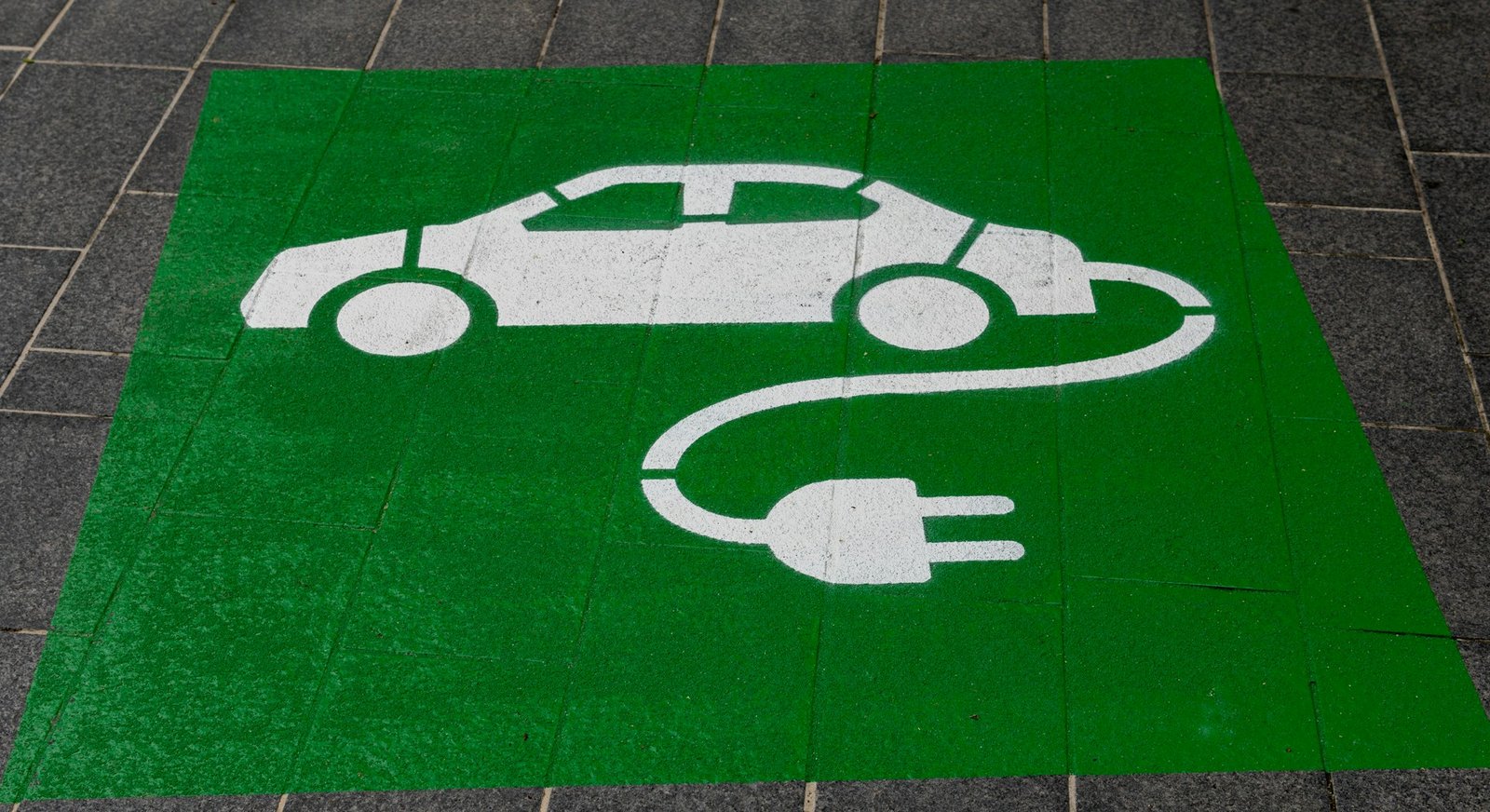
Nigeria’s transport sector stands at a critical crossroad. With escalating fuel costs, urban congestion, and environmental concerns, the adoption of electric vehicles (EVs) presents a sustainable option for Nigeria’s public transport sector.
The removal of petrol subsidies in 2023 led to a significant surge in transportation costs, disproportionately affecting low-income commuters.
The aftermath of the executive action also reveals the vulnerabilities of Nigeria’s fuel-dependent transport infrastructure.
In response, the government initiated a compressed natural gas (CNG) program, aiming to convert 1 million vehicles within three years.
However, challenges such as limited infrastructure and public scepticism have hindered its rapid adoption.
Electric vehicles: a better alternative
Electric vehicles offer a cleaner, more sustainable alternative to traditional fuel-powered transport.
Their adoption can lead to reduced greenhouse gas emissions, lower operating costs, and improved public health outcomes.
Cities like Lagos have already begun integrating electric buses into their public transport fleets, demonstrating the feasibility and benefits of such initiatives.
Transitioning to electric public transport can yield substantial economic savings. Electric buses have lower maintenance and fuel costs compared to their diesel counterparts.
Moreover, EVs contribute to cleaner air and mitigate health issues related to air pollution.
Challenges to overcome
Despite the clear advantages, several obstacles impede widespread EV adoption in Nigeria.
In January 2024, industry experts cautioned the country wasn’t ready for EVs, citing a few factors as obstacles.
- Infrastructure deficit
The lack of charging stations poses a significant barrier. It is the single most cited factor in the adoption of EVs globally.
Developing a comprehensive charging network is essential for supporting EV operations.
These charging stations can also offer battery-swapping options to minimize downtime and increase efficiency for transport operators who may not have to wait for long to charge up.
- High initial costs
Electric vehicles (EVs) in Nigeria remain financially out of reach for most consumers due to their high upfront costs. Implementing subsidies or tax incentives can make EVs more accessible to transport operators.
Imported EVs are subject to taxes, customs duties, and logistics expenses, which significantly raise their prices. Limited local assembly and a lack of government subsidies further compound the affordability challenge.
- Low public awareness
Public awareness of electric vehicles (EVs) in Nigeria remains critically low, hindering their adoption and growth.
Many Nigerians are still unfamiliar with how EVs work, their benefits, and their long-term cost advantages. Myths around charging, range anxiety, and maintenance persist due to limited public education and outreach.
There is a need for targeted awareness campaigns to help increase public education on the benefits and operation of EVs to foster acceptance and demand.
Here is how to turn the tide
To facilitate the transition to electric public transport, the following measures are recommended:
- Government incentives for EVs in Nigeria
Although the Nigerian government has begun taking steps to support electric vehicle (EV) adoption, incentives remain limited compared to global standards.
In 2021, Nigeria introduced the National Automotive Industry Development Plan (NAIDP) to encourage local EV assembly and reduce import duties on EV components.
Some fiscal incentives, such as tax waivers on import tariffs for fully built EVs and EV parts, should be implemented to lower costs for investors and consumers.
The 10-year tax relief announced in 2023 for electric vehicle manufacturers operating in Nigeria doesn’t seem to be properly enforced.
The government would need to review this provision and expedite actions where needed.
- Policy support
Although Nigeria’s EV market is still in its infancy and the country still heavily depends on imports for its automobile needs, the government has set clear EV-friendly regulations.
Even though substantive progress has yet to be recorded, the body language of the government in that regard has been positive.
In 2022, Nigeria unveiled its Energy Transition Plan (ETP), aiming to achieve a 100% transition to EV by 2060.
Before this, the government had instituted a National Action Plan for the Development of Electric Vehicles (EVDP) to accelerate the country’s transition to EVs.
Under that plan, Nigeria targets at least 30% of EVs in local production by 2032, as well as installing 3,000 chargers annually.
In 2024, Nigeria enthusiastically joined three other African nations, Ghana, Kenya, and Rwanda, to sign the Zero Emission Vehicles (ZEV) Declaration at the International Transport Forum’s 2024 Summit.
These countries pledge to work towards all new sales of cars and vans being zero emission by 2040.
But beyond mere announcements and goal setting lies the big deal; action. And it remains largely unseen.
- Local manufacturing
There is a need to support domestic production of EVs to reduce costs and create jobs.
Local car dealerships and manufacturers like Innoson Vehicle Manufacturing are already making strides in this area.
They can collaborate with international EV makers to produce low-cost electric vehicles suited to Nigeria’s climate and road conditions.
Dealerships can work with banks and fintech companies to offer low-interest loans or lease-to-own schemes for electric cars.
Startups leading the EV innovation in Nigeria like Saglev, Qoray, EMVC, Jet EV, EMVC, Siltech, and Voyah should be encouraged to go into production.
In February 2025, NEV Electric launched 100% electric mass transit buses in one of the country’s cities.
- Financing and partnerships
Collaborations between government entities and private firms are key to investing in EV technology and infrastructure.
There is a mix of private and public solutions that could help make electric vehicles affordable.
For instance, Sterling bank is partnering with e-mobility providers in Nigeria like Qoray, GFA, Microsoft, The Garage, and Oando Clean Energy to drive EV adoption.
The bank offers EV buyers loans of up to 90% of the cost of the vehicle with a five-year repayment period.
Also, a vehicle financing startup in Nigeria, that is partnering with Waymo to launch EV-hailing services in the US cities can refocus its attention on the local market if the market is inviting enough.
Oando Plc recently unveiled plans to collaborate with the state government to roll out 5,000 electric buses for the state’s public transit system.
For EVs to be adopted as part of Nigeria’s public transport system, there is a need for many charging stations across its biggest cities.
- Gradual or phased rollout
Smaller and more affordable electric cars are important to deliver faster mass market adoption. As upfront prices of new electric vehicles continue to fall globally, so are the price of second-hand EVs too.
Low-income countries like Nigeria can leverage cheaper second-hand electric cars, similar to what the country is doing with Tokunbo vehicles.
Another way could be by local dealers leveraging a government-backed social leasing scheme.
For example, households interested in switching to EVs can be encouraged to make sizable monthly payments towards getting an EV.
Automakers can leverage such initiatives to release more affordable EV models to tap into the anticipated demand. This is working well in France, and Qoray has begun doing something similar in Nigeria.
Alternatively, local EV dealers can partner with ride-hailing companies like Bolt and Uber to introduce EVs into their fleets.
In 2024, Sterling Bank’s Qore Mobility was already thinking in this direction with the planned delivery of 120 electric tricycles to female riders in Kano state.
Subnational governments can also incorporate electric buses into the public transport system in their cities.
Deployment of electric tricycles or minivans for last-mile connectivity in rural and urban communities can be a game changer also.
Electrifying Nigeria’s over one million commercial tricycles will also go a mile.
In January 2025, Qoray Mobility unveiled an electric tricycle in Lagos that could run for 12 hours and cover 100 kilometres before swapping its discharged battery at designated solar-powered charging centres.
Another investor Ecowaka has recently announced a similar venture.
- Educational campaigns will go a long way
There is a knowledge gap among Nigeria’s 200 million plus population about electric vehicles in Nigeria.
Some people argue that until Nigeria fixes its power grid problem, the adoption of EVs will remain an illusion.
By introducing strategic social reorientation initiatives, EV stakeholders can help reshape such mindsets or narratives.
Government or private agencies could organise hackathons to avail the platform for promising EV startups and entrepreneurs to showcase their skills and capacity in e-mobility technology.
Also, EV stakeholders can forge strategic partnerships with higher institutions in the country to foster and sustain innovation in e-mobility. It should go beyond just building charging stations on campus.
Overall, embracing electric vehicles in Nigeria’s public transport system is not just an environmental imperative but also an economic opportunity.
With strategic planning, investment, and public engagement, Nigeria can pave the way for a cleaner, more efficient, and sustainable transportation future
When the above levers are in place, the prices of EVs on par with petrol- or diesel-powered vehicles will naturally go down, enabling its adoption in the country’s public transport system.