• Business
  • Markets
  • Politics
  • Crypto
  • Finance
  • Intelligence
    • Policy Intelligence
    • Security Intelligence
    • Economic Intelligence
    • Fashion Intelligence
  • Energy
  • Technology
  • Taxes
  • Creator Economy
  • Wealth Management
  • LBNN Blueprints
  • Business
  • Markets
  • Politics
  • Crypto
  • Finance
  • Intelligence
    • Policy Intelligence
    • Security Intelligence
    • Economic Intelligence
    • Fashion Intelligence
  • Energy
  • Technology
  • Taxes
  • Creator Economy
  • Wealth Management
  • LBNN Blueprints

How Hong Kong Gave Rise to Labubu

Simon Osuji by Simon Osuji
October 10, 2025
in Artificial Intelligence
0
How Hong Kong Gave Rise to Labubu
0
SHARES
2
VIEWS
Share on FacebookShare on Twitter


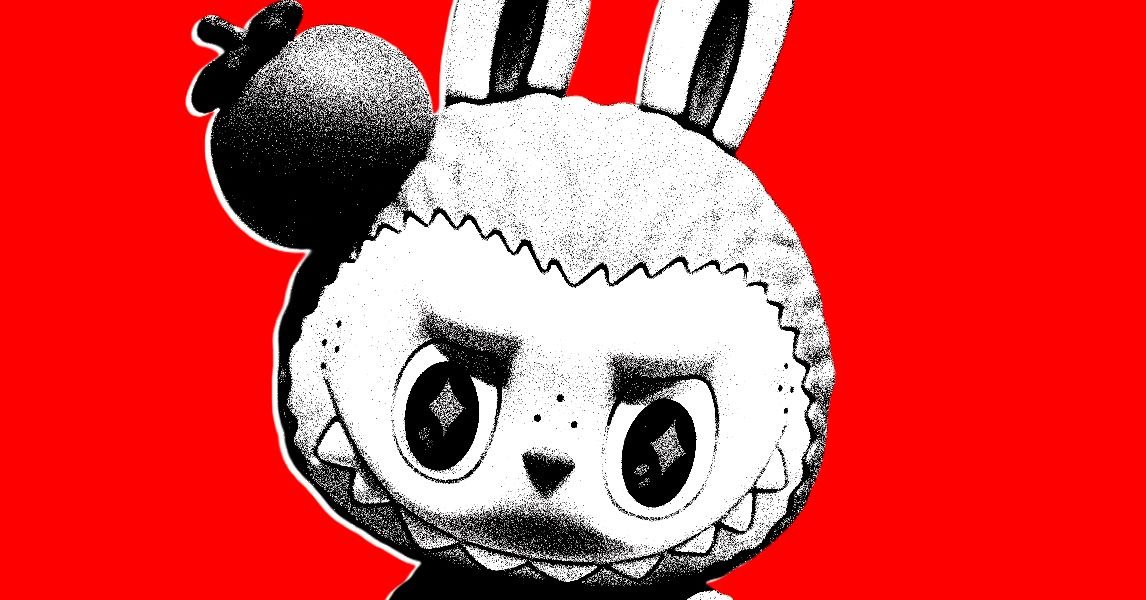
The following sentence might make a globalist cry out for joy: A toy that is manufactured by a Chinese company in Vietnamese factories, designed by a Dutch artist in Belgium, inspired by indie toy culture in Hong Kong, and made viral thanks to a Thai K-pop star, has turned into the biggest Gen-Z cultural trend of 2025.

That abomination of a sentence is the story of Labubu, the creepy-cute stuffed monster that swept the world this summer. You must have seen the trend by now, but most people are still unaware of the global, decade-long story that led up to it. Last week, I published a feature story about my journey into the heart of Labubu, how this cultural mania moment was created, and where it may go from here.

It’s an inherently international story, but it’s not the first time we’ve seen it. Think about how the world fell for Pokemon Go or Kpop bands like BTS and Blackpink. These are all examples of regional cultural powerhouse industries successfully finding global audiences for their work. What’s new about Labubu, however, is that it’s the first time a Chinese company was able to engineer this level of success and cultural impact.

Sure, there are always coincidences at work for a success of this scale, but the more I reported on this story, the more I also realized the historical and economic reasons why Labubu, and the toy company behind it, Pop Mart, ended up in this place. In many ways, it resembles other Chinese tech companies that went from counterfeit producers to international name brands, moving up the value chain as they transformed manufacturing experience into valuable technological knowhow.

The story of Labubu begins in Hong Kong in the 1970s and early ‘80s, when the city became a manufacturing hub for toys. From Mattel and Disney to Japan’s Bandai, almost every major toy company was outsourcing production to factories in Hong Kong, due to the low labor costs there.

Howard Lee, the founder of a Hong Kong toy studio called How2Work, told me how that period of history shaped his childhood. “Many parents would go to factories and come home with outsourced gig work like hand painting toys at home,” he says. It was also easy for people to buy toys with cosmetic or functional imperfections from the factories directly, so a generation of children like Lee grew up with relatively easy access to flawed dolls and other toys, which made them yearn more for the better ones they couldn’t afford.




Source link

Related posts

Makers Are Building Back Against ICE

Makers Are Building Back Against ICE

February 16, 2026
Sony LinkBuds Clip Review: Solid Buds, Premium Price

Sony LinkBuds Clip Review: Solid Buds, Premium Price

February 16, 2026
Previous Post

Best agency banking software solutions in 2025

Next Post

Official goat stats fall short of informal market estimates

Next Post
Official goat stats fall short of informal market estimates

Official goat stats fall short of informal market estimates

Leave a Reply Cancel reply

Your email address will not be published. Required fields are marked *

RECOMMENDED NEWS

Experts say upscaling organic, agroecology practices key to healthy living – EnviroNews

Experts say upscaling organic, agroecology practices key to healthy living – EnviroNews

11 months ago
Nvidia Is Becoming the IBM of AI, Says Former Apple Engineer

Nvidia Is Becoming the IBM of AI, Says Former Apple Engineer

2 years ago
AI Vincent Van Gogh says you’re wrong about his ear

AI Vincent Van Gogh says you’re wrong about his ear

2 years ago
EU extends Operation Irini mandate

EU extends Operation Irini mandate

11 months ago

POPULAR NEWS

  • Ghana to build three oil refineries, five petrochemical plants in energy sector overhaul

    Ghana to build three oil refineries, five petrochemical plants in energy sector overhaul

    0 shares
    Share 0 Tweet 0
  • The world’s top 10 most valuable car brands in 2025

    0 shares
    Share 0 Tweet 0
  • Top 10 African countries with the highest GDP per capita in 2025

    0 shares
    Share 0 Tweet 0
  • Global ranking of Top 5 smartphone brands in Q3, 2024

    0 shares
    Share 0 Tweet 0
  • When Will SHIB Reach $1? Here’s What ChatGPT Says

    0 shares
    Share 0 Tweet 0

Get strategic intelligence you won’t find anywhere else. Subscribe to the Limitless Beliefs Newsletter for monthly insights on overlooked business opportunities across Africa.

Subscription Form

© 2026 LBNN – All rights reserved.

Privacy Policy | About Us | Contact

Tiktok Youtube Telegram Instagram Linkedin X-twitter
No Result
View All Result
  • Home
  • Business
  • Politics
  • Markets
  • Crypto
  • Economics
    • Manufacturing
    • Real Estate
    • Infrastructure
  • Finance
  • Energy
  • Creator Economy
  • Wealth Management
  • Taxes
  • Telecoms
  • Military & Defense
  • Careers
  • Technology
  • Artificial Intelligence
  • Investigative journalism
  • Art & Culture
  • LBNN Blueprints
  • Quizzes
    • Enneagram quiz
  • Fashion Intelligence

© 2023 LBNN - All rights reserved.