
How Digital Marine Insurance is Supporting Trade


How Digital Marine Insurance is Supporting Trade
By George Odinga
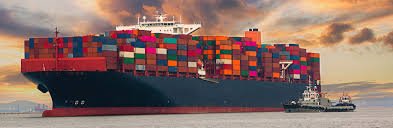
Traders moving goods through the Mombasa Port have reason to celebrate. Improved operational efficiencies and higher trade flows have pushed cargo volumes to record highs. According to the Kenya Ports Authority, container traffic rose by 23.53% in 2024, reaching 2,005,076 TEUs, up from 1,623,080 in 2023.
This growth signals renewed investor confidence and strengthens Mombasa Port’s role as a critical trade gateway for East and Central Africa.
It also aligns with Kenya’s strategy to develop its blue economy as a pillar of national growth.
Strategically, the government—through the Kenya Revenue Authority (KRA) and Insurance Regulatory Authority (IRA) is enforcing a February 2025 directive that requires importers to buy marine insurance from local providers.
Though recent, this policy originated from the Finance Act of 2017 and amendments to the Maritime Insurance Act.
This shift supports the economy by stimulating the local insurance industry, curbing capital flight, and retaining revenue within Kenya. More importantly, it allows insurers to offer solutions tailored to Kenya’s unique logistics environment.
How Digital Marine Insurance is Supporting Trade
Digital Platforms Transform Access and Transparency
Marine insurance is more than a regulation it is an essential tool for managing risk in global trade. It provides protection against damage, loss, and delays, helping businesses stay afloat even in turbulent conditions.
With advances in technology, digital platforms now make insurance services faster and more transparent. Internet access, mobile apps, and cloud computing have drastically reduced paperwork and time spent acquiring coverage.
Kenyan insurers now offer online platforms where importers can apply, pay, and receive certificates within minutes.
These platforms also make policy details clearer, simplify claims processes, and offer real-time customer support.
Local insurers’ proximity enhances this responsiveness, and importers can now monitor insured cargo, track claims, and detect gaps instantly.
Flexible Coverage for the Modern Trader
Today’s marine insurance covers more than the journey across water—it includes the entire logistics chain, from warehouse to final destination. Traders can select coverage options such as port-to-port or warehouse-to-warehouse, based on their transport needs.
Microsoft Launches Initiative to Strengthen Regional Cybersecurity
For example, cargo destined for the Nairobi Inland Container Depot or the Naivasha Dry Port must be insured across road, rail, and sea. Insurers offer options under Institute Cargo Clauses (ICC):
-
ICC A: all risks
-
ICC B or C: named perils
At Old Mutual, clients can tailor coverage to match specific cargo needs. Whether goods are shipped by road, rail, or sea, our policies ensure full protection across multimodal supply chains.
The integration of digital innovation into marine insurance is not only safeguarding goods but also unlocking new efficiencies for Kenyan traders.
As trade through Mombasa Port grows and dry ports take on greater roles, these solutions will empower businesses with confidence and reliability.
Mr. Odinga is the General Manager, Reinsurance & Underwriting at Old Mutual General Insurance Kenya.