In a significant move that could reshape the future of foreign workers in the United States, particularly Indians, the U.S. Department of Labor on Friday unveiled Project Firewall, an aggressive enforcement initiative aimed at scrutinizing the H-1B visa program.
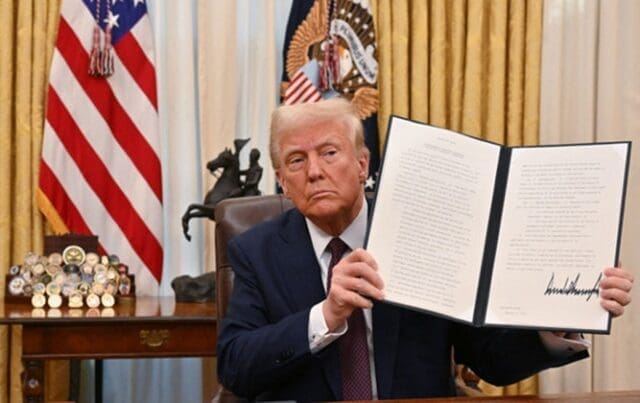
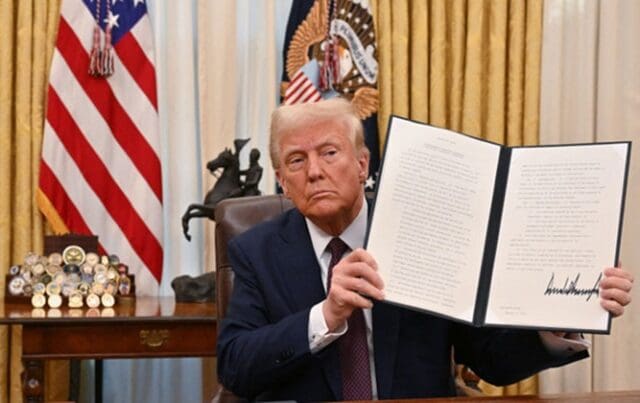
The announcement was made on the same day President Donald Trump signed a new executive order imposing a steep $100,000 fee for each H-1B visa application, signaling a renewed push for his administration’s “America First” agenda.
– Advertisement –
What Is Project Firewall?
According to U.S. Secretary of Labor Lori Chavez-DeRemer, Project Firewall is designed to “protect the rights, wages, and jobs of skilled American workers.” The initiative will ramp up audits, investigations, and legal actions against companies. These companies are those found misusing the H-1B visa system to displace U.S. workers or suppress wages.
“The Trump Administration is standing by our commitment to end practices that leave Americans in the dust,” Chavez-DeRemer said. “Launching Project Firewall will help us ensure no employers are abusing H-1B visas at the expense of our workforce.”
– Advertisement –
The enforcement effort is expected to involve collaboration between the Department of Labor, the Department of Homeland Security, and the Department of Justice to root out visa fraud and protect domestic job opportunities.
Why Indians Are Most Affected
Indians represent the largest group of H-1B visa holders, accounting for nearly 70% of all H-1B approvals in recent years. The majority of them work in the U.S. technology sector, occupying roles in software development, IT consulting, and data analytics.
With the new $100,000 application fee and increased scrutiny under Project Firewall, many Indian professionals and companies that sponsor them face uncertain futures:
Smaller tech firms and outsourcing companies may be unable to afford the exorbitant application fees.
New applicants from India, especially recent graduates, could see their chances of working in the U.S. diminish.
Existing H-1B workers may face challenges in visa renewals or job changes due to intensified enforcement.
The Broader Impact on U.S. Companies
U.S. tech companies, particularly those reliant on global talent, are already expressing concerns over the potential fallout. Industry analysts warn that restricting access to highly skilled foreign workers could lead to skill shortages and impact the U.S.’s competitive edge in areas like AI, cybersecurity, and cloud computing.
While large firms like Google, Microsoft, and Amazon may absorb the fee increase, many smaller startups and mid-sized firms may either shift operations overseas. Alternatively, they may scale back expansion plans in the U.S.
Political and Economic Context
President Trump’s executive order is the latest in a series of measures aimed at reshaping U.S. immigration policy around the principle of protecting American jobs. With the 2026 elections on the horizon, the move is also seen as an appeal to his base. Many of these supporters have expressed concerns over foreign labor impacting domestic employment.
Supporters of the policy argue that tightening H-1B regulations ensures fair wages and job opportunities for Americans, especially in a post-pandemic economy. The economy is still grappling with inflation and employment fluctuations.
Critics, however, say the policy weaponizes immigration enforcement and undermines the global talent pipeline that has historically driven U.S. innovation.
Looking Ahead
As Project Firewall takes shape and the new fee structure kicks in, thousands of Indian workers and students will be left reassessing their future in the U.S. Immigration attorneys and industry leaders are urging companies to prepare for longer processing times. This also includes increased documentation requirements and potential legal battles.
For now, the message from the Trump administration is clear: when it comes to high-skilled jobs, Americans come first. The cost of playing in the U.S. job market just got significantly higher for everyone else.