

For many farmers, conservation has long felt like a trade-off, as more land for wildlife often means less land for crops or grazing. But new research from the University of Pretoria shows agriculture and conservation can coexist.


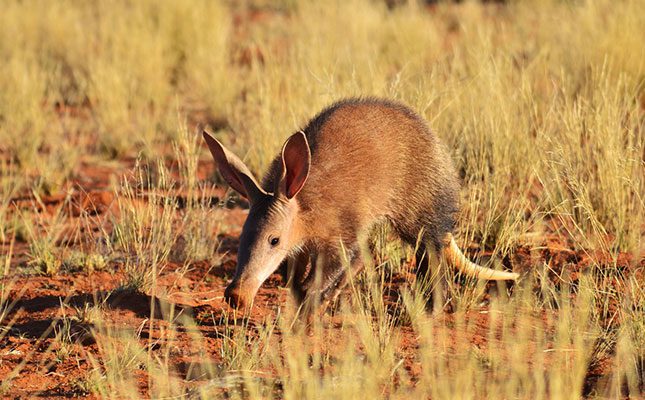
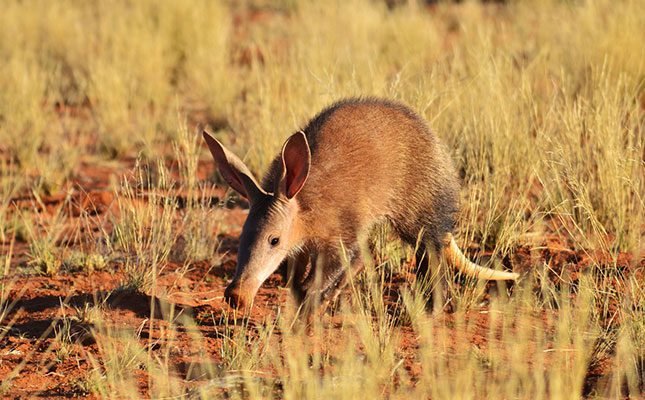
University of Pretoria PhD student Jordan Siebert, under the guidance of Professor Natalie Haussmann from the Faculty of Natural and Agricultural Sciences, is investigating how aardvark burrows on working farms could become biodiversity hotspots, helping to improve soil health, support pest control, and boost ecosystem resilience without compromising agricultural productivity.
Through her research, Siebert aims to reconcile food security and conservation, two of the UN’s Sustainable Development Goals (SDGs) – SDG 2: Zero Hunger and SDG 15: Life on Land.
The overall goal is to inform sustainable land management practices, influence agricultural policy, and provide practical solutions that benefit farmers and wildlife.
Siebert explained that she has always been drawn to the intersection of conservation and human-modified landscapes; especially ways to integrate biodiversity protection into working environments such as farmland.
“With agricultural expansion placing increasing pressure on natural ecosystems, I believe it is crucial to understand whether conservation objectives can be achieved alongside productive land use.
“This project investigates whether agricultural areas, particularly in grassland environments, can serve as viable conservation spaces,” she told Farmer’s Weekly.
While aardvarks generally don’t damage crops, their burrows can cause occasional localised issues by undermining farm roads or creating holes where livestock could injure themselves.
Siebert noted these incidents are relatively infrequent and manageable compared with the potential ecological gains.
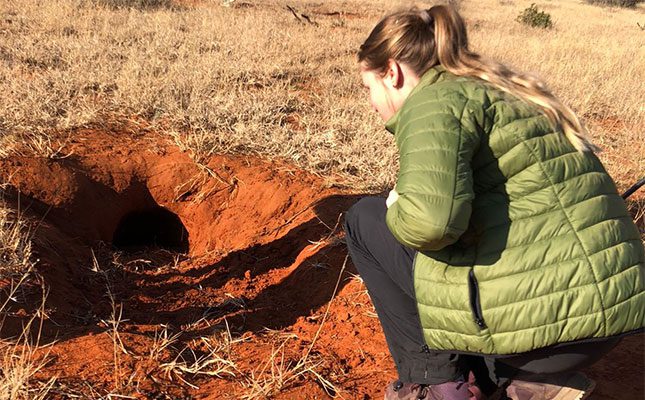
Her study investigates whether agricultural landscapes can serve as wildlife conservation spaces, or at the very least, complement dedicated conservation areas. To do this, she is relying on a collective effort from local farmers and farmworkers to help identify burrows, install monitoring cameras, and learn to recognise the species that use them.
Haussmann emphasised that with much of South Africa’s land under agricultural use, finding ways for farms to act as conservation spaces alongside production was vital.
“[Siebert’s] research aims to understand how aardvark burrows influence biodiversity, both plants and animals, in agricultural landscapes, and how these landscapes can complement conservation areas. This can bring benefits to farmers, such as improved soil health, better moisture retention, natural pest control, and habitats for species that contribute to ecosystem resilience.
“The long-term focus is on identifying practical, evidence-based ways to enhance biodiversity on farms without compromising agricultural productivity. It’s about moving away from the view that agriculture and conservation are opposing goals and instead finding win–win solutions, often referred to as land sharing.”
Aardvark burrows, Haussmann explained, were “ecological hotspots” that became natural focal points for enhancing biodiversity, especially in transformed landscapes like farms.
“We know from our previous camera trapping studies that aardvark burrows attract wildlife, and we suspect the refuges they provide are even more important in transformed habitats than, for example, protected sites such as nature reserves. This is what the research will shed light on.
“The idea is to share our findings with farmers and start conversations around potential ways to retain and protect biodiversity-supporting features. By demonstrating the ecological and agricultural benefits of burrows, we hope to promote measures that improve coexistence,” she said.
The study is currently being conducted in Mokala National Park and on neighbouring agricultural land near Kimberley in the Northern Cape, allowing for direct comparisons between protected and farming landscapes.
According to Haussmann, the success of this research depends on collaboration with the farming community.
“Farmers provide access to land, share local ecological knowledge, and collaborate on identifying feasible biodiversity measures. Farmworkers will be involved in field activities, including helping to locate burrows and identify species from photographs. They will also take part in short workshops to discuss the ecological importance of burrows, threats to wildlife, and how farming practices can support biodiversity.
“We’ve had several farmers show interest in the project, and we extend the invitation to others to reach out and get in touch,” she concluded.
Farmers who would like to participate in this research can email Professor Natalie Haussmann at [email protected].


