Earlier this year, Dr Charl van der Merwe became manager of the Agbiz Grain desk. With nearly 30 years’ experience in grain handling, procurement, market analysis, and strategic development, he drives policy advocacy, stakeholder engagement, and industry representation.


What is Agbiz Grain, and what does it do?
Agbiz Grain, established in 2014 by the largest commercial grain handling and storage companies in South Africa, is a dedicated desk within Agbiz. Agbiz is a voluntary association of agribusinesses in South and Southern Africa, working to create an environment where agribusinesses of all sizes can thrive, expand, and compete.
Agbiz Grain supports and promotes its members’ interests by representing them and liaising with grain industry bodies, government, grain value chain participants, and related service providers.
Give us a brief overview of the history of grain storage in South Africa
The establishment of agricultural co-operatives by grain farmers in the early 20th century played a major role in developing South Africa’s grain handling and storage industry.
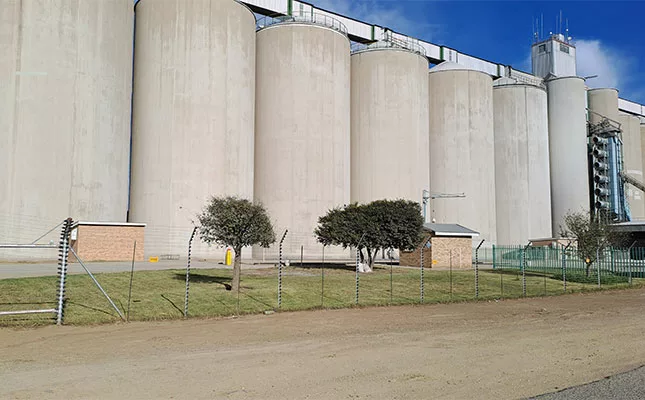
Grain was initially stored in bags at co-operative sites. In 1923, the then South African Railways built the first railway silos. The shortage of jute used to produce bags supported the rapid development of larger bulk storage facilities in the 1950s, and the adoption of combine harvesters accelerated the expansion of silo networks and grain-handling infrastructure.
Tell us more about grain storage methods used locally
By the end of the 20th century, most grain was stored in silos, supplemented by flat storage facilities. In the mid-2000s, alternative methods such as bunkers and silo bags were introduced in South Africa.
According to 2024 data from the South African Grain Information Service, silos and bins remain the preferred storage method at the commercial level, comprising about 74% of total storage. Of this, 12% are steel silos and 62% are cement silos. Bunkers account for 15%, silo bags 10%, and dams and flat storage less than 1%.
Each method has its advantages and limitations. Silos are ideal for long-term storage, particularly for oilseeds where aeration is critical. They have lower operational costs but require significant upfront investment and a long-term view.
Silo bags are a flexible, cost-effective solution for creating additional storage during high-production seasons. However, annual replacement costs make them operationally expensive compared with other storage methods.
Bunkers are mobile and can be relocated in response to shifting production trends, providing adaptability in a dynamic agricultural landscape.
What are the benefits of storing grain?
Effective grain storage preserves quality, reduces post-harvest losses, supports national food security, and allows farmers to access the market over longer periods. Moreover, it ensures a continuous and reliable supply of grain throughout the year, vital for local consumption and exports.
Do farmers supply a harvest forecast to ‘book’ storage space?
The individual businesses have different systems, but most storage operators ask clients to provide harvest estimates before the season. This helps plan intake logistics and capacity utilisation.
Do farmers sell their crops to storage companies, or just rent space and sell later?
It depends on the circumstances. Farmers may sell their grain directly to a storage operator’s marketing division or store it to sell to other market participants. Different grain storage businesses have different pricing models, which can include daily, seasonal, or annual rates per ton.
Explain the storage process.
Upon delivery at the storage facility, the load is weighed, sampled, and graded according to the grading regulations and the specifications agreed upon by the client and the operator. If accepted, the grain is offloaded and stored.
Good storage practices, including hygiene protocols and pest control, are applied. Some farmers clean their grain on-farm before delivery, while certain storage facilities offer cleaning, screening, and drying as an additional service.
Do certain types of grain benefit more from storage than others?
Yes. Oilseeds, for instance, are prone to spontaneous combustion; therefore, they require more intensive monitoring, cooling, and aeration than crops like maize.
Tell us more about grain stock monitoring and inventory control.
Monitoring volumes is a crucial part of effective grain storage. This is done through regular physical inspections and/or the use of advanced technologies, such as temperature and moisture probes. Cloud-based systems provide real-time data such as grain temperature, grain moisture, and carbon dioxide levels that enhance decision-making capabilities.
Comparing actual physical stock to theoretical stock, based on documented deliveries and dispatches, is essential. Technology such as 2D and 3D scanning can add value to this process.
Do you have any tips on best practices for grain management?
Grain is a living biological product that continues to respire after harvest. As such, effective management is crucial for maintaining quality and preventing financial losses.
Best practices in grain management include proper grading, maintenance of storage infrastructure and equipment, the use of calibrated measurement tools, fumigation to control pests, applying hygiene practices, and implementing food safety protocols.
For more information email Dr Charl van der Merwe at [email protected], or visit agbizgrain.co.za.