


Selinah Ntjana, a Limpopo farmer and entrepreneur, is advocating the various benefits of goats through books, skincare, and wellness products. She spoke to Sabrina Dean about her brand, Selinah The Goat.
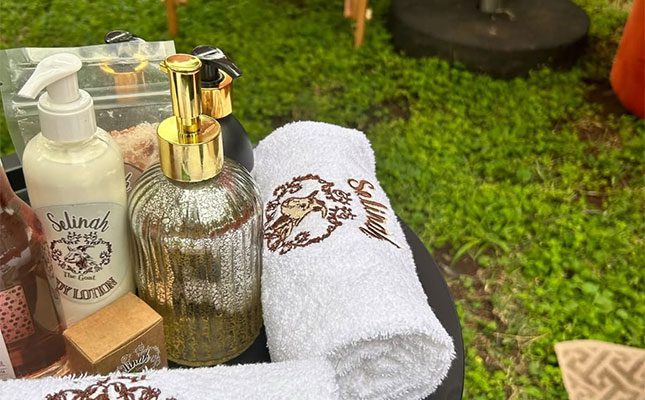
Photo: Selina Ntjana
Selinah Ntjana is building a life founded on the economic and wellness opportunities afforded by goat farming, exploring diverse ways of harnessing different resources provided by these animals.
She is also on a mission to share this message with other women and children, particularly those in rural communities.
Ntjana and her husband Phuti are both degreed professionals who have full-time jobs while also running their farm.
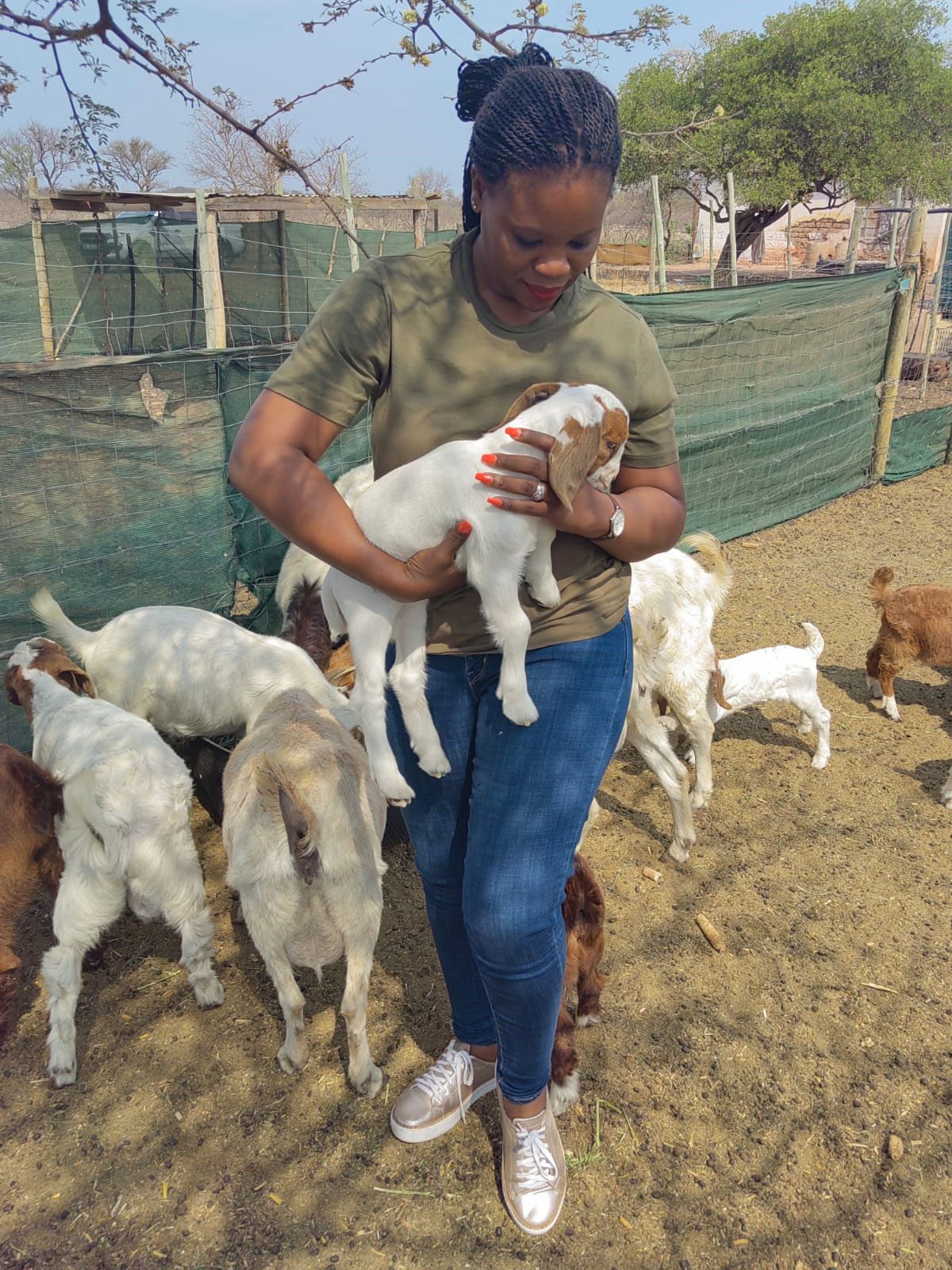
They currently lease about 1 000ha of farmland in the Mogwadi area of Limpopo, where they produce Boer goats, selling the meat directly to abattoirs, as well as Bonsmara cattle.
On top of this, Ntjana has branched out into developing and producing goat milk beauty and skincare products. Her lab-tested range, marketed under the name ‘Selinah The Goat’, is sold through various channels used in massage and spa treatments at her own and other lodges.
A mother of five, she is also an advocate for healthy living, agriculture, and education, ideals she promotes through a book she wrote, titled Selinah the Goat.
“I went to the farm with my own children and noticed some of them were scared of the goats. That’s when I realised I had to give back to the community and educate children through literacy about goat farming,” she says.
Ntjana’s journey to creating her goat milk products began many years ago when she first started sourcing the milk for her husband due to his lactose intolerance. Later, when her children developed eczema, she started exploring the therapeutic properties of goat milk.
While creating her products, she was also empowering herself with knowledge.
The couple had suffered major setbacks with their goat farming operation, and by 2014, high herd mortality had brought them to the brink of throwing in the towel. Instead, Ntjana began researching and learning, enrolling in a specialised course in profitable goat farming and AgriSETA-accredited training.
She also participated in initiatives like the Trio Plus Incubator sponsored by De Beers, and received support from the Small Enterprise Development Agency. This also allowed her to have the skincare products she was developing in partnership with the University of Limpopo tested in a lab.
Ntjana currently manufactures her products out of a house they own in Bochum, Limpopo. This work is done after hours and on weekends, and she has self-financed a large part of this process.
The ground-level agricultural training she had helped turn the couple’s once struggling Boer goat operation into a profitable component of their business. Ntjana has also added to her skillset with diplomas and certificates in numerous areas, ranging from business administration to massage skills and hygiene optimisation.
When Ntjana first started making her goat milk products, she was sourcing her milk from a herd of Saanen goats they were running for milk production. However, these goats had struggled in the hot Limpopo climate, with many of them susceptible to skin cancers.
So, she decided to start out-sourcing her milk production while taking time to address health issues in her own herd. She currently sources milk from a producer in Potchefstroom, where it is pasteurised and stored on-site for monthly collection.
Ntjana is in the process of investing in new Saanen genetics to re-establish her herd, which she hopes to have on the farm by January 2026. This will be done in collaboration with scientists and with advice from government agricultural services.
She says that since she has a full-time job, she’s unable to access many of the financial benefits available through government for previously disadvantaged farmers. Instead, government aid has come in the form of opportunities for training or access to advisory services, for example.
Although she has had to rely on self-financing many of her ventures, Ntjana says this has instilled in her a sense of “discipline and resilience” and granted her freedom.
“I am the one who buys what I need for my own business. This doesn’t hurt because it means I can do what I like; what I believe is best for my business,” she explains.
Her decision to outsource her milk production while taking time to improve her own herd has allowed her time to focus on expanding market access for her products. This includes expansion into pharmacies, with plans to enter the retail sector, too.
She also spends time showcasing her products at expos and events, in collaboration with her eldest daughter, 17-year-old Thapelo Cleo.
“She also assists me with massage work, skincare production, and other roles,” adds Ntjana.
Ntjana childhood influences were her father, who had an interest in farming but worked as an intelligence officer with the South African Police Service (SAPS), and her mother, who also worked for the SAPS but was interested in the wellness and spa industry.
Her true passion for farming and goats was sparked around 2011 when she met her husband, who grew up in the rural area of Morale near Blouberg Municipality. Her journey has since solidified these passions and influences as the foundation for the various facets of her brand, Selinah The Goat.
The brand reflects all aspects of her business, as well as the love and joy she gets from its stars, the goats themselves.
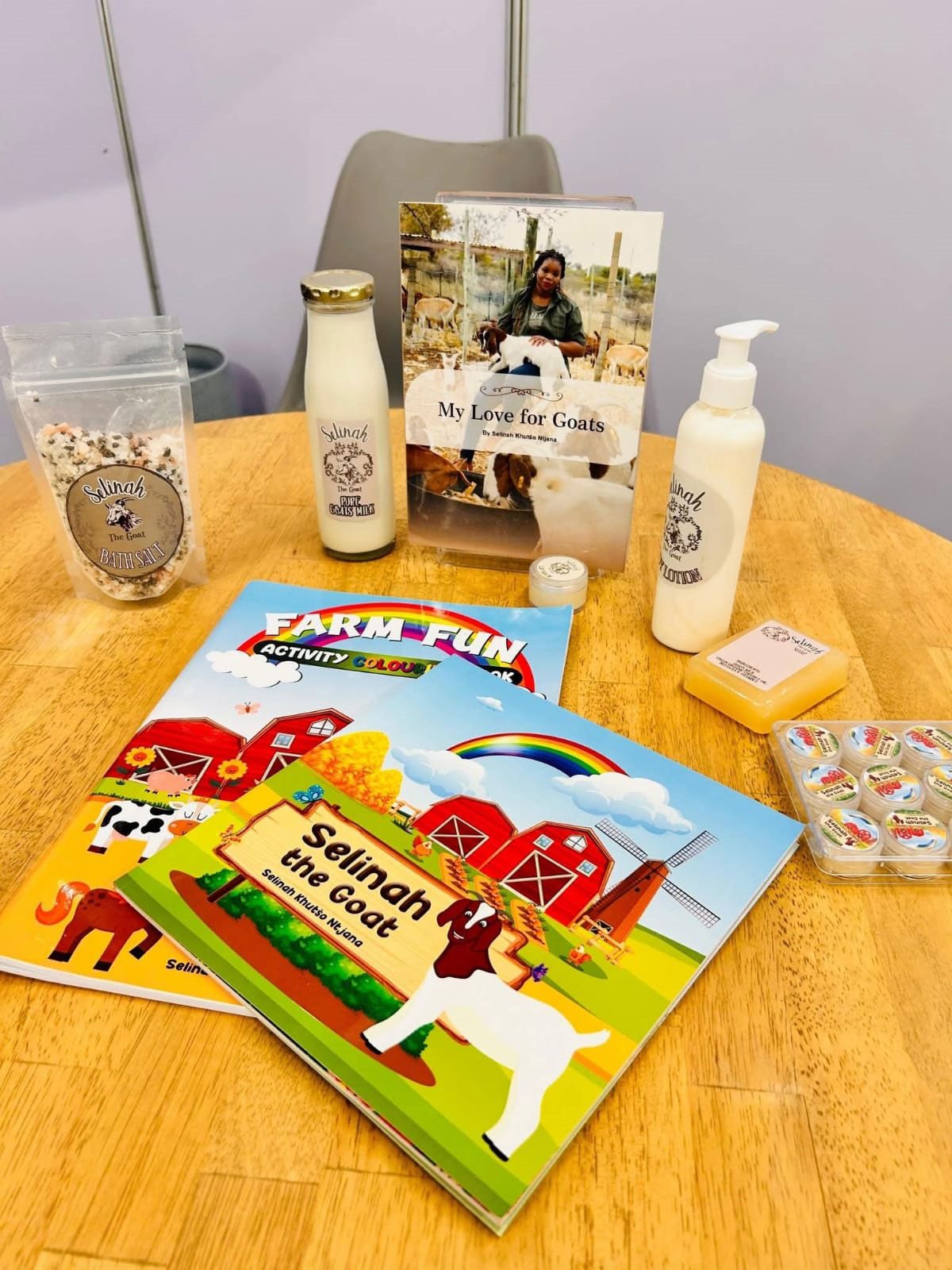
Like the characters in her book, it highlights the often funny yet human side of farming goats. In the book, she explains that it’s not only about teaching children how to farm goats, but also about recognising these animals as living beings and appreciating their diversity.
“Goats are like humans; they come in different colours. When I wrote the book, I wanted to make it funny while also teaching children to love one another.”
She says the book, and the range of colouring and activity books she and her third born, 10-year-old daughter Phuti have also created, are targeted at children aged 13 and younger.
The books have been distributed to various schools and are part of a programme called Read Aloud Month, which takes place in February.
“We are part of Limpopo Book Fair and have partnered with Funda Wande, so the books are in schools all over,” says Ntjana.
She has also partnered with Nthabiseng Chauke to establish a children’s book club called the Finding Me Book Club, where they engage with children online about literacy and agriculture.
“We’re getting a lot of response. On Saturdays, we meet with children from different provinces [via an audio-visual platform] and talk about books. We also discuss agriculture through my Selinah the Goat book,” she explains.
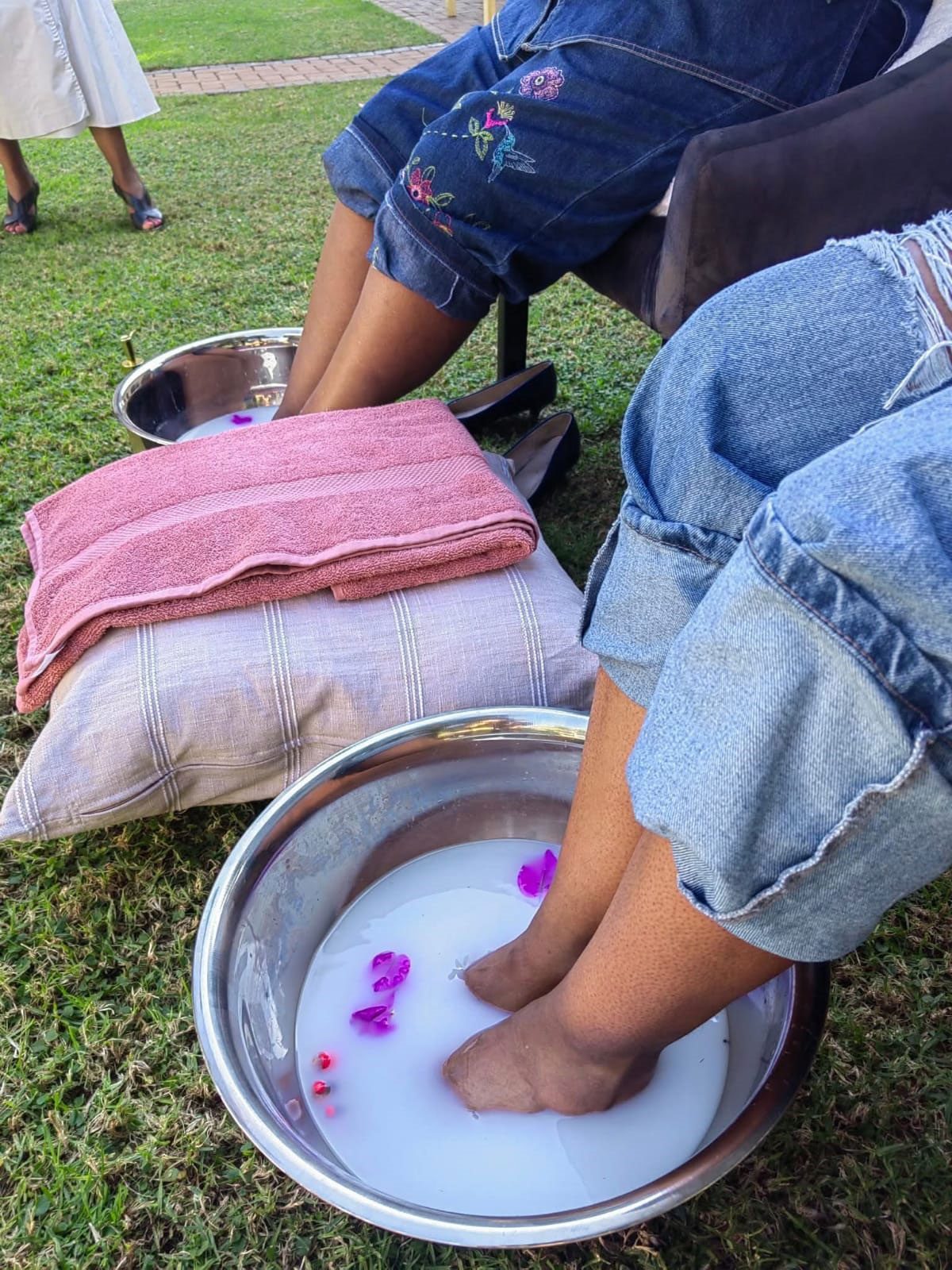
The education aspect also includes teaching adults about the health benefits of goat milk products, staring with actually using them. To this end, Ntjana and Thapelo Cleo travel to lodges in their area without in-house spas or massage therapists to provide mobile treatments using Selinah The Goat products.
Ntjana says women need to know that nothing is impossible, and impossible is nothing.
“As women, we can make it in life. But nothing comes on a silver platter; we have to go out there and get it.”
She says it’s also about women believing in themselves and their ability to get things done.
“Collaboration is important. Sharing information is important. You can’t keep everything to yourself; we have to spread the gospel.”
When it comes to women in agriculture, Ntjana says it’s a domain for women because it’s about giving life. “It is life, especially for women. Agriculture is not a man’s thing. We do it as women.”
Though partnered with a husband whom she describes as her mentor in life, Ntjana highlights all the women out there who are single parents. Those women, she says, embody the role of both mother and father figure.
“So, we have to keep pushing as women and doing what we do for our children.”
For more information email Selinah at [email protected] or phone her on 062 752 6550.


