In this week’s Charging Forward, RenewableUK looks to address co-location challenges between offshore wind and energy storage, Fidra Energy secures consent for a 3 GWh battery energy storage system (BESS) in Yorkshire, and more.
This week’s headlines:
- RenewableUK report on energy storage and offshore wind co-location
- Fidra Energy secures consent for 3.1 GWh Yorkshire BESS
- Apatura advances Glasgow BESS project
- Root-Power secures consent for Scottish Highlands BESS
- Industry collaborates on DC microgrids to support energy storage
- Thermal energy storage can slash industrial energy costs
- International news: Shell drops stake in Australian BESS project
Energy storage and offshore wind co-location
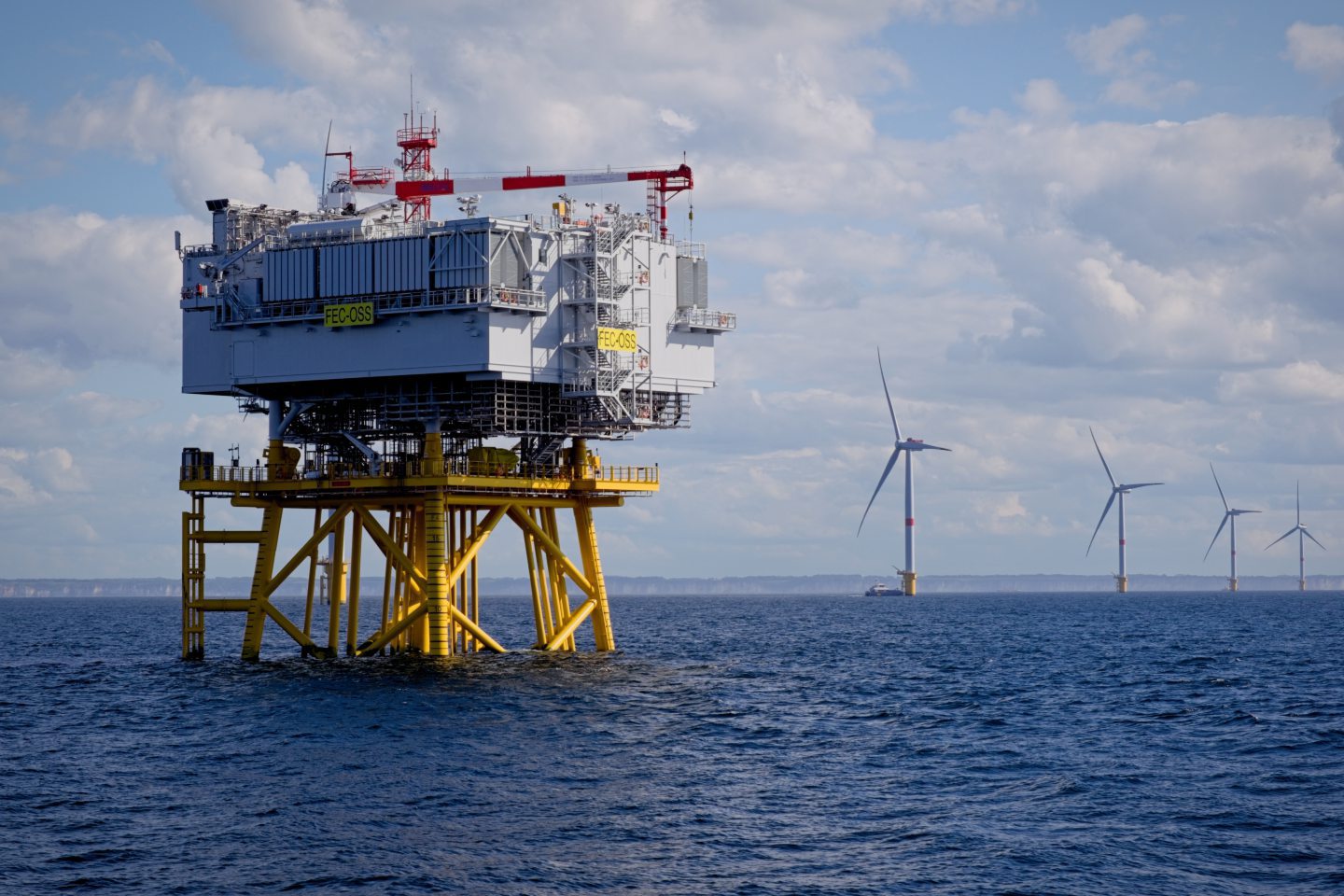
Trade body RenewableUK has set out a series of measures to address challenges surrounding the co-location of battery storage and green hydrogen production alongside offshore wind farms.
The report sets out the case for reforming the UK planning system and financial support mechanisms to encourage more developers to build more battery and green hydrogen projects near offshore wind farms.
RenewableUK said sharing existing grid infrastructure between projects will “save time and cut costs”.
The report listed ten policy recommendations for the UK government and organisations including Ofgem, The Crown Estate, Crown Estate Scotland and local authorities.
 © Supplied by CMS
These include removing restrictions on substation and offshore transmission cable owners from investing, reforming the Contracts for Difference (CfD) auction process, and implementing planning reforms.
The report also called for the UK to build a network of pipelines to transport green hydrogen from generation sites.
RenewableUK senior policy analyst Yonna Vitanova said: “The UK has a great opportunity to build a more resilient energy system by integrating batteries and green hydrogen projects into offshore wind infrastructure, either at sea or near substations onshore.
“But at the moment neither the CfD process nor the planning system are set up in a way to encourage this.
Vitanova said the report provides a blueprint for government to address industry challenges and “unleash the benefits of co-location”.
Fidra Energy secures consent for 3.1 GWh Yorkshire BESS
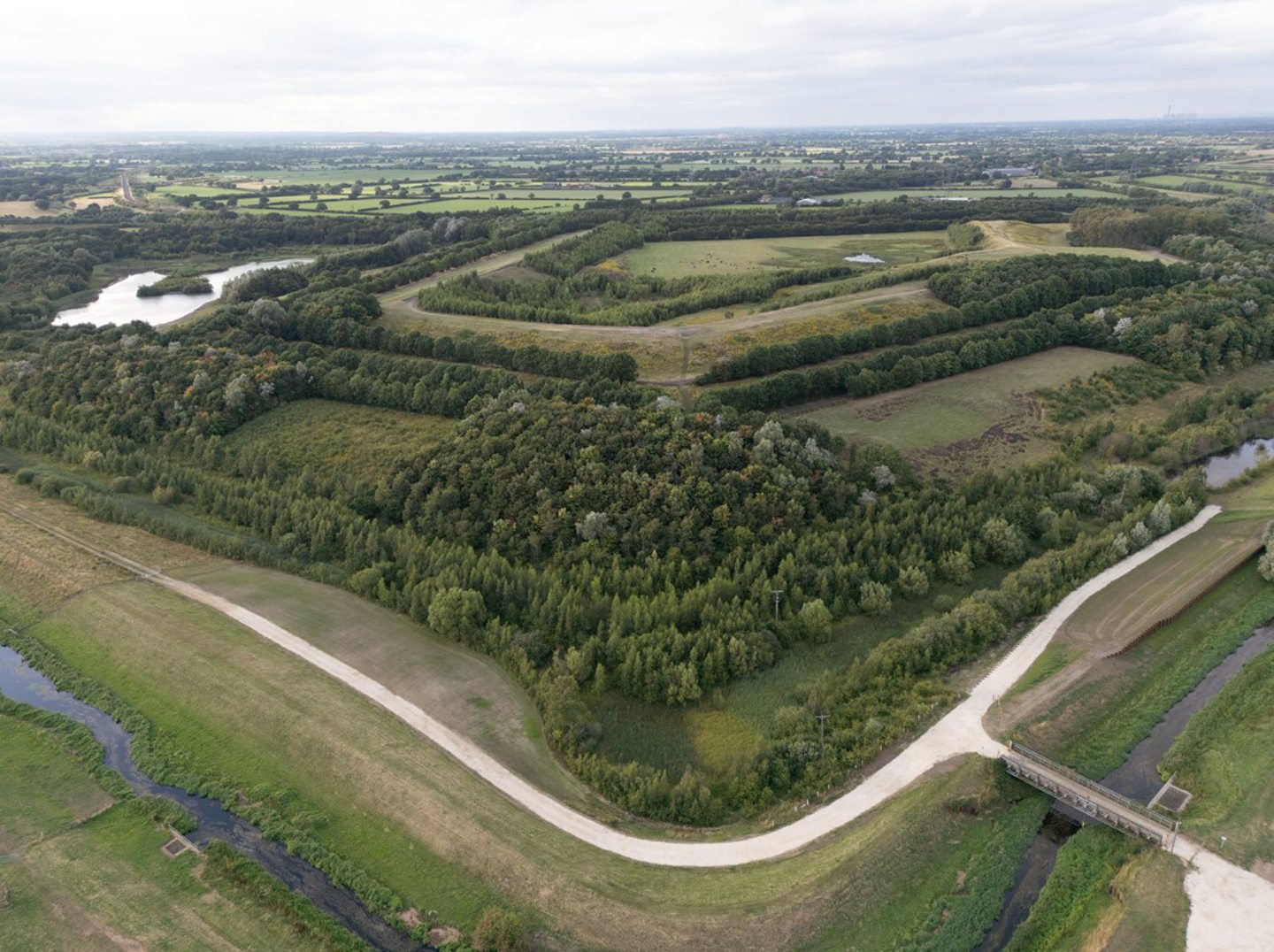
Edinburgh-headquartered Fidra Energy has secured planning consent to build and operate its flagship 1.4 GW (3.1 GWh) BESS project in Yorkshire.
Doncaster Council approved the plans for what will be the largest battery storage project in the UK.
Fidra said the BESS development will boost the local economy by creating jobs during its construction and operation.
The company plans to build the BESS next the Thorpe Marsh National Grid substation, on a 55-acre site that used to house a former coal power station.
 © Supplied by Fidra Energy
The project will use containerised lithium-ion battery systems developed by Sungrow, and will have the capacity to power up to 800,000 homes during peak hours of demand.
Fidra expects to make a final investment decision in April 2025, with the first battery systems to potentially begin operating in 2027.
Fidra Energy chief executive Chris elder said the Thorpe Marsh BESS is “one of the most exciting infrastructure projects in the world”.
“As the largest battery energy storage site in the UK, the project will help turbocharge the UK’s ambitions of achieving a clean power system providing critical flexibility to store energy when there is excess renewable generation and release this when needed,” he said.
Fidra Energy is owned by American private equity group EIG Partners.
Apatura surpasses 1 GW BESS capacity with Glasgow project
UK energy storage developer Apatura has surpassed 1 GW of battery capacity with the approval of its Neilston BESS near Glasgow.
The company secured planning consent from the Scottish Government for the 150 MW BESS in Paisley, Renfrewshire.
With the Neilston site now its sixth project approval in 14 months, Apatura’s BESS portfolio now exceeds 1035 MW.
Apatura chief development officer Andrew Philpott said Scotland is “taking a lead role in driving the UK towards its net zero future”.
“The location of this latest energy storage site speaks to the advantageous position of Scotland in delivering resilient energy infrastructure and will be vital in enabling the goals and aspirations outlined by NESO, in their pathways to a Clean Power system for 2030,” he said.
“Not only does Scotland as a country take centre stage in the UK’s drive to a net zero future, so do the Scottish communities pioneering a renewable future.”
Root-Power secures consent for Scottish Highlands BESS
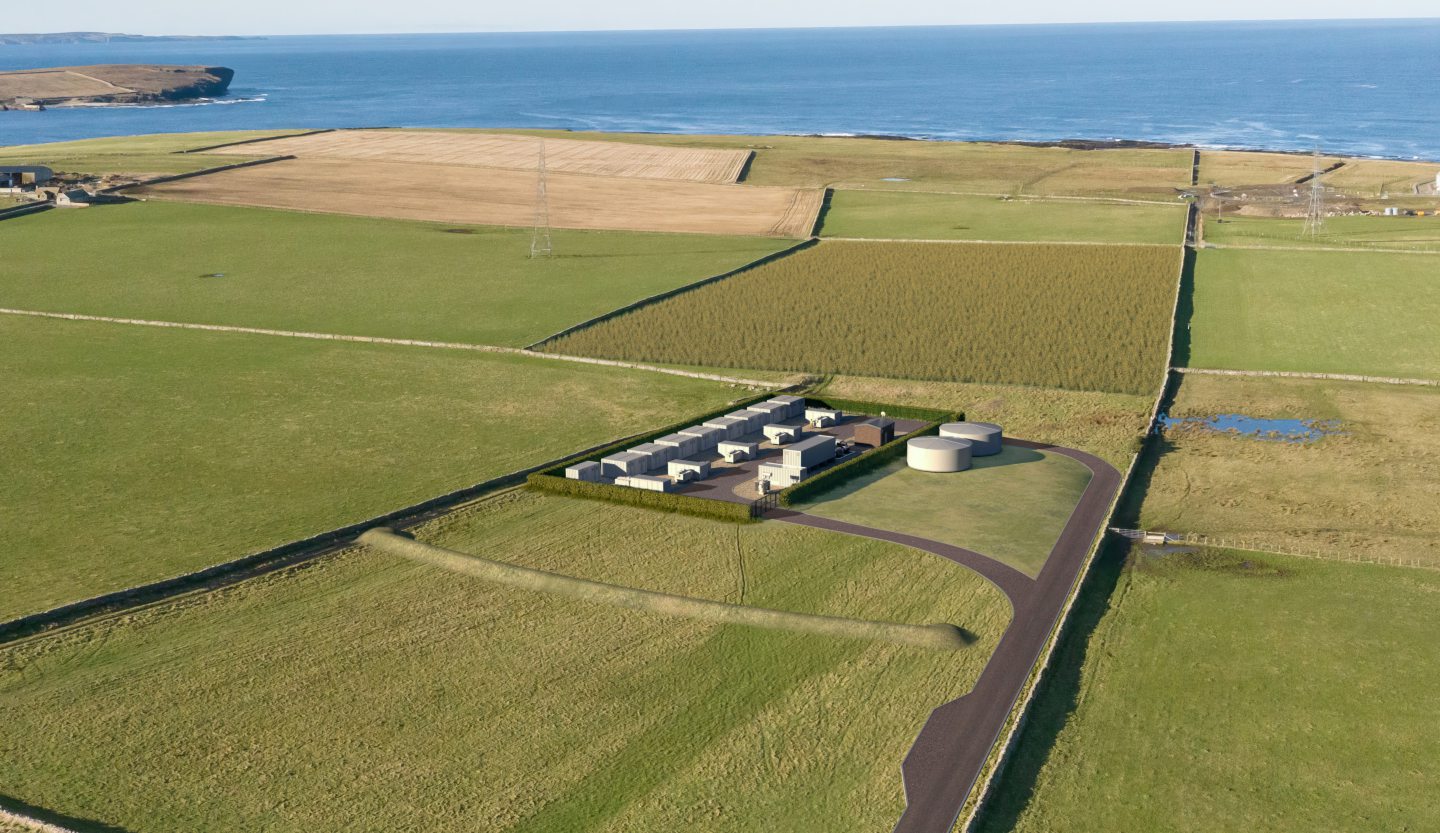
UK storage developer Root-Power has secured planning consent for a 34 MW/68 MWh BESS project in Dounreay on the far north coast of Scotland.
Root-Power said it carefully selected the site to provide vital support to an isolated part of the UK’s energy infrastructure.
The company will also benefit from major reinforcement projects to existing infrastructure, and the growth of onshore and offshore renewables in the region.
 © Supplied by Root-Power
Once operational in 2026, the BESS will have the capacity to power 80,000 homes for two hours.
Root-Power said the project will play a “critical role” in providing security of supply to north Scotland and the Orkney Islands.
It comes after Root-Power secured planning consent for a 40 MW BESS project in County Durham in January.
Industry collaborates on DC microgrids
An independent, not-for-profit foundation is bringing together major European industrial players to accelerate the adoption of direct current (DC) microgrids.
Current/OS is working to design buildings with DC power distribution and to upgrade existing infrastructure to distribute DC power.
DC is utilised in a wide range of everyday devices, including laptops, smartphones and household appliances to electric cars and telecommunications equipment.
However, most electricity distribution continues to rely on alternating current (AC) at the grid-level.
Microgrids use solar or wind energy to generate electricity natively in DC, reducing energy losses linked to AC-DC conversion.
These microgrids can also supply energy to the main grid in off-peak hours, reducing strain on existing infrastructure.
Current/OS said pilot microgrids already deployed in the Netherlands and France can reduce consumption by up to a fifth over six months.
According to Current/OS, as electrification gathers pace economies must find ways to enhance the resilience of electrical systems while maintaining efficiency.
The foundation is involved in several demonstrator projects in the Netherlands, including the world’s first DC microgrid in a commercial building in Amsterdam and an energy neutral building at the TU Delft university campus.
New York-listed engineering firm Jacobs joined Current/OS at the start of this year, and the foundation also lists ABB, Schneider Electric and Eaton among its members.
Current/OS will now work closely with Jacobs to adapt projects to the specific needs of the UK energy sector.
Jacobs built environment systems and sustainability director Adam Selvey said collaboration on DC microgrids is important to successfully integrate renweables into the UK energy mix.
“To reduce our reliance on fossil fuels, we are currently in the largest mass scale electrification since the end of the 19th century,” Selvey said.
“With the rapid expansion of renewables, battery storage and smart technology which generate, store and consume DC natively, we can now install DC networks in buildings as Edison intended.”
Thermal energy storage can slash industrial energy costs
Implementing thermal energy storage can save industrial power users between 30-150% of energy costs compared to direct electrification, according to a report.
Thermal energy storage technology takes renewable electricity and converts it into heat which is stored at up to 1,300°C (2,500°F).
This makes it particularly suitable for industries such as steel, glass and chemicals.
Industrial heat represents over two-thirds of the sector’s energy demand, predominately sourced from fossil fuels.
It is responsible for 24% of global energy-related greenhouse gas emissions, according to the International Energy Agency.
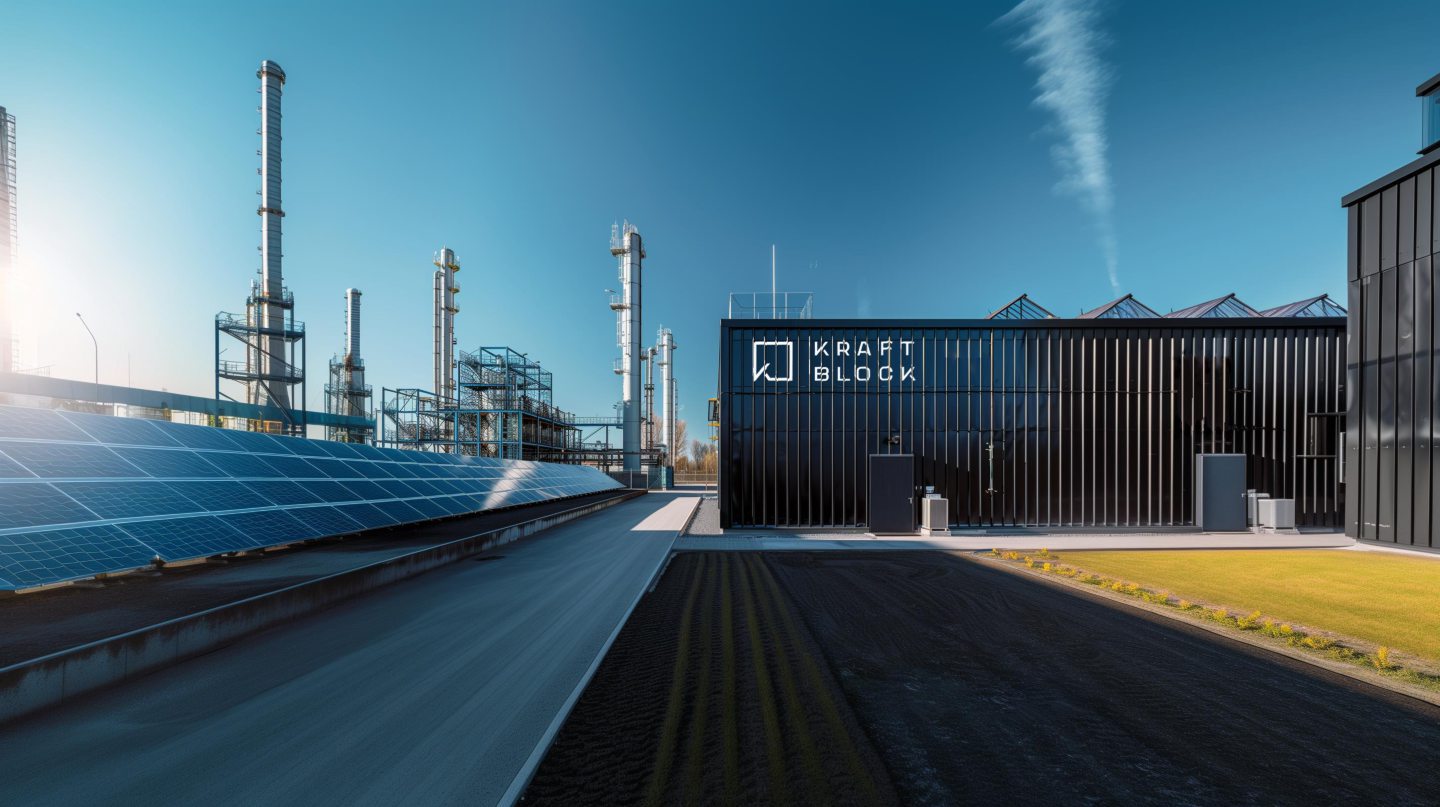
The report from German thermal energy developer Kraftblock and consultancy firm DWR Eco found hermal energy storage offers significant benefits in terms of cost savings, operational efficiency and sustainability.
 © Supplied by Kraftblock
Kraftblock chief executive and co-founder Martin Schichtel said thermal energy storage can also assist in stabilising the electricity grid in certain markets.
“It demonstrates that thermal energy storage is the cheapest solution and twice as efficient as hydrogen to decarbonise high-temperature heat,” he said.
“In Germany for example, you can save up to 30% in energy costs.”
Kraftblock co-founder Susanne König said widespread deployment of thermal energy storage is “essential” for decarbonising energy systems and industries.
“Thermal energy storage systems bridge the gap between energy flexibility needs and industrial requirements,” she said.
“As the energy landscape changes, the integration of thermal energy storage will be critical to creating a more sustainable and efficient, resilient and flexible future for all stakeholders.”
Shell drops stake in Australian BESS project
London-listed energy supermajor Shell (LON:SHEL) has offloaded its stake in a 300 MW BESS project in the Australian state of New South Wales.
Ampyr Australia acquired Shell’s 50% stake in the project, located near the town of Wellington.
Ampyr and Shell Energy Australia had been joint venture partners in the BESS scheme since its launch in October 2022.
“Reliable, cost-competitive electricity is a cornerstone of Australia’s economic growth. Ampyr’s mission is to enable Australia’s future industries to benefit from the clean energy transition,” said Ampyr chief executive Alex Wonhas.
“We’re grateful for Shell’s contributions to the Wellington BESS project, and we are excited about accelerating its development to bring this vital project to market.”
It comes as Shell increasingly retreats from its global investments in renewable energy projects, amid rumours the company is looking to sell its stake in offshore wind projects in Scotland.
Ampyr Australia, owned by Singaporean infrastructure investor Stonepeak, is on track to own and operate 3GW of energy storage in Australia by 2030.
Recommended for you