

G7 economies and the International Energy Agency on Wednesday agreed to release a record 400 million barrels of oil from their strategic stockpiles to combat the volatility in global oil prices, as the Middle East conflict showed no signs of abating in its second week. The IEA said all 32 member countries backed the move, the sixth coordinated stockpile release since the 1970s. US Energy Secretary Chris Wright said Washington would contribute the bulk of the supply, by supplying 172 million barrels.
What’s the latest situation on the oil market?
G7 Ministers and the IEA met on Wednesday to announce the record release from their emergency stockpiles. “The oil market challenges we are facing are unprecedented in scale, therefore I am very glad that IEA member countries have responded with an emergency collective action of unprecedented size,” said IEA Executive Director Fatih Birol.
What are SPRs and why are governments looking at tapping them?
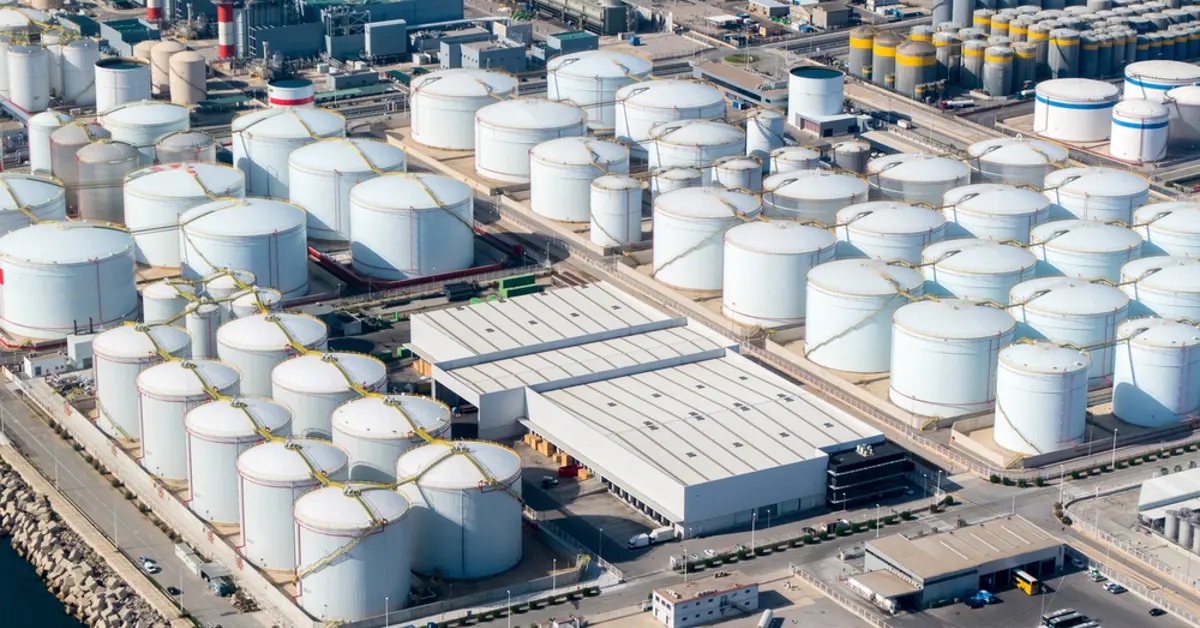
Strategic petroleum reserves are sovereign storage of emergency crude oil, created to reduce the impact of potential disruptions in supplies of petroleum products such as what the world is witnessing currently.
The United States boasts the world’s largest SPR, with the federally-owned oil stocks stored in huge underground salt caverns at four sites along the coastline of the Gulf of America. China and Japan hold the world’s second and third largest emergency stockpiles respectively.
The sheer size of the SPRs – the US SPR HAS an authorised storage capacity of 714 million barrels – makes them a significant strategic tool in global energy policy. Estimates place China’s SPR capacity at around 400 million barrels, while Japan maintains a stockpile of roughly 324 million barrels.
How do SPRs work and can governments coordinate their release?
While the governments can certainly coordinate the join release of their stockpiles with plenty of precedent, the actual process of release is more complicated as most of the reserves are stored in underground salt caverns, not regular surface tanks. The process involves injecting fresh water into the caverns to draw up the oil, transferring through pipelines to refineries or port terminals, and then working out the logistics for dispatching the stockpiles.
Will the release of SPR be enough to calm the oil market?
According to Vandana Hari, founder and CEO of Vanda Insights and a regular columnist for Energy Connects, the volume of available SPR may not be an issue. “At 1.2 billion barrels government stockpiles and 600 million barrels commercial stockpiles, the volume is enough in theory to offset the loss of 20 mil b/d for 90 days,” she commented.
In 2022, the US decided to release 180 million barrels of SPR – although the most amount they released in a single week was 8.4 million barrels. However, with around 25% of the world’s seaborne oil trade usually travelling through the Strait of Hormuz, as well as almost 20% of global exports of LNG, the world is losing more than 20 mb/day of supply. Therefore the spotlight will be on the feasible rate of release, as in practice, IEA stock releases have not exceeded the rate of 2 mil b/d.
How about the drawdown rates from the respective SPRs?
According to Vandana, G7 member countries have maximum drawdown rates, though most would have been untested in practice:
- US ~4.4 mil b/d
- Japan ~3-3.5 mil b/d
- Germany ~0.5-0.7 mil b/d
- France ~ 0.4-0.5 mil b/d
- Italy ~ 0.3-0.4 mil b/d
What are the factors driving the surge in oil prices?
Oil touched nearly $120 a barrel on Monday as more Middle East producers cut output, with a tanker traffic standstill through the Strait of Hormuz choking off crucial global supplies. In a whiplash session, WTI also reached $119.48 a barrel before paring gains. The surge is also driven by the war in the Middle East showing no signs of abating, with the traffic standstill on the Hormuz and attacks on key Gulf energy infrastructure contributing to the rally.
What’s the latest production update from the GCC and Middle East?
Crude futures surged further on Monday after Kuwait and the United Arab Emirates started reducing output over the weekend as storage rapidly fills up due to the closure of Hormuz. According to Reuters, Iraqi oil production from its main southern oilfields has fallen by 70%, with crude storage having reached maximum capacity.
The Kuwait Petroleum Corporation has also reduced output and declared force majeure on shipments. Saudi Aramco, which can divert some flows through pipeline via Yanbu on the Red Sea, has offered more than 4 million barrels of Saudi crude in spot tenders to offset the Hormuz closure, Reuters reported.
Qatar has already halted LNG production after attacks on key infrastructure, and Bahrain’s BAPCO declared a force majeure on Monday after attacks on its refinery complex. Saudi Arabia has already shut its biggest oil refinery.
What is the IEA’s role in the situation?
The IEA said it was closely monitoring the situation in the Middle East, including the potential implications of any prolonged disruptions to energy flows through the Strait of Hormuz.
“The global oil market has been in significant surplus since the start of 2025. Ahead of the military actions that began on 28 February, global oil supply was also expected to far exceed demand in 2026. However, prolonged supply disruptions could flip the market into a deficit. The disruption to oil flows through the Strait has forced some operators to start shutting in production. The region’s output of refined products has also been impacted,” the IEA said in a statement.


