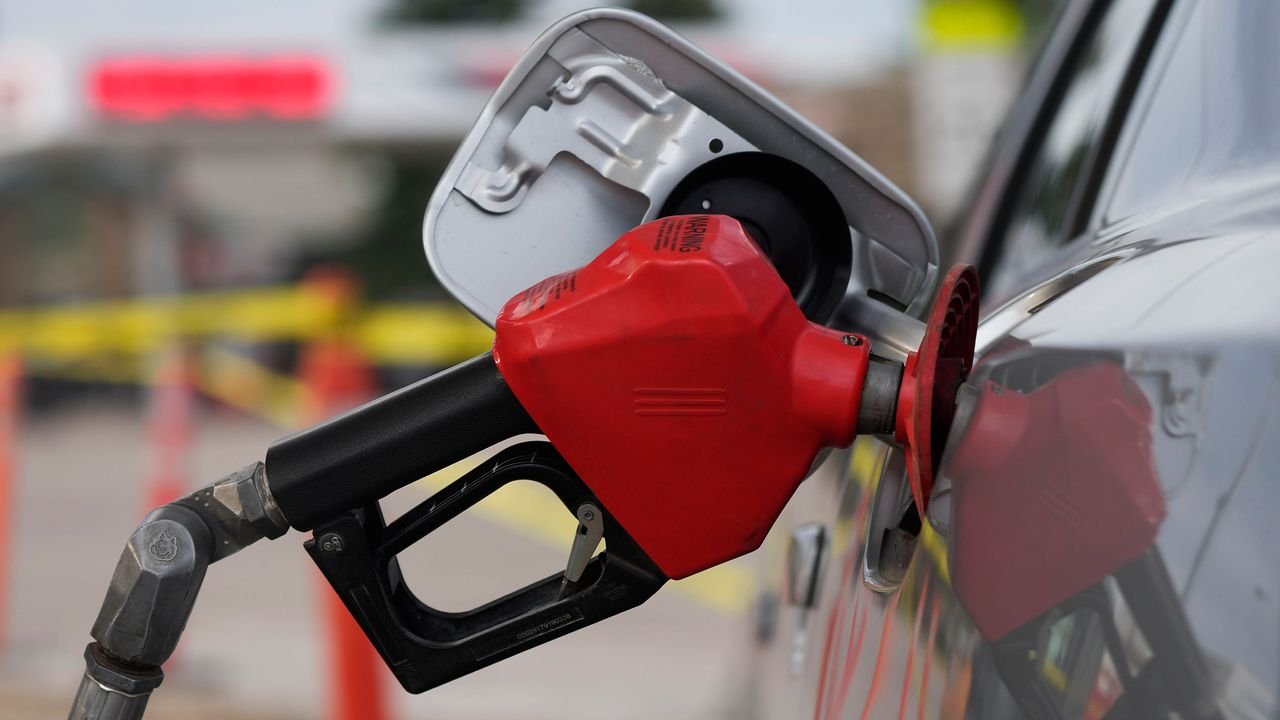
Egypt has raised domestic fuel prices by up to 17% as rising global energy costs linked to the conflict in the Middle East continue to affect national supply expenses.
The increases affect several fuel products widely used across transport, industry and households in the country.


The Egypt’s Petroleum Ministry said the adjustment comes as global oil and gas prices continue to rise following disruptions to energy exports across the Middle East region.
The ministry added that geopolitical tensions and supply interruptions have pushed up import costs for several petroleum products.
“This comes in light of the exceptional situation resulting from the geopolitical developments in the Middle East region and their direct effects on global energy markets,” the ministry said.
The increase follows warnings from the Egyptian government that higher global energy costs could force authorities to introduce emergency measures to stabilise the domestic fuel market.
The government indicated earlier that continued volatility in global oil markets could affect local pricing policies.
Egypt relies heavily on imported petroleum products to meet its domestic demand.
As a result, global supply disruptions and rising crude prices quickly translate into higher fiscal pressure for the government.
New fuel prices takes effect across the country
The latest adjustment affects several widely used fuels, including diesel and different grades of fuel sold at filling stations nationwide. Diesel, which is one of the most commonly used fuels in Egypt’s transport and industrial sectors, increased by 3 Egyptian pounds to 20.50 Egyptian pounds per litre.
The previous price stood at 17.50 Egyptian pounds per litre. At the current exchange rate, the new diesel price is about $0.39 per litre, while the earlier price was around $0.33 per litre.
Fuel prices also increased across different grades used by motorists. Fuel with an octane rating of 80 rose to 20.75 Egyptian pounds per litre, about $0.39 per litre.
Fuel with an octane rating of 92 increased to 22.25 Egyptian pounds per litre, which is roughly $0.42 per litre. Meanwhile, the higher grade fuel with an octane rating of 95 rose to 24 Egyptian pounds per litre around $0.46 per litre.
The increases range between about 14% and 17%, depending on the product grade. These adjustments are the first domestic fuel price increases recorded in the country this year.
The previous price revision occurred several months earlier, when authorities raised domestic fuel prices by between 10.5% and 12.9%.
At the time, the government indicated that local fuel prices would remain unchanged for an extended period in response to domestic and global economic conditions.
How IMF reforms are shaping Egypt’s fuel pricing
Egypt’s fuel pricing reforms are also linked to broader economic restructuring programmes agreed with the International Monetary Fund (IMF). T
he country has received several financial support programmes from the Washington based lender in recent years.
The first major programme began in 2016 when Egypt agreed to a $12 billion loan arrangement aimed at stabilising the economy following years of political and economic instability.
The reforms included gradual reductions in fuel, electricity and food subsidies that had placed heavy pressure on government finances.
Reducing subsidies has remained one of the key elements of Egypt’s economic reform strategy.
Authorities have been gradually adjusting domestic fuel prices to reflect global market conditions while expanding social support programmes for vulnerable households.
Furthermore, Egypt agreed to an expanded $8 billion loan programme with the IMF as part of continued economic reforms and efforts to stabilise the country’s financial position.
The programme includes measures designed to strengthen public finances and reduce the burden of energy subsidies on the national budget.
Meanwhile, the latest fuel price adjustment comes as global energy markets remain volatile due to geopolitical tensions and supply disruptions in major oil producing regions.
Higher crude prices and shipping disruptions across the Gulf have increased import costs for countries that rely on foreign fuel supplies.
For Egypt, which imports significant volumes of petroleum products to support domestic demand, these external pressures continue to shape local fuel pricing decisions.