– Advertisement –
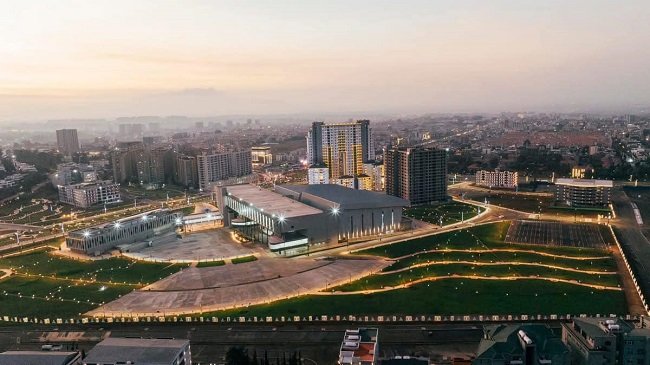
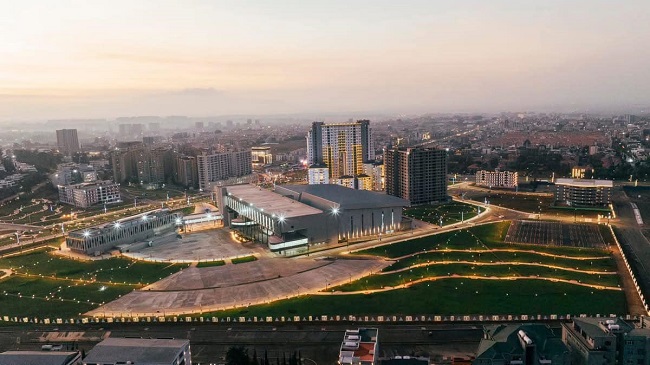
The Africa Climate Week and Africa Climate Summit are set to take place in Addis Ababa, Ethiopia, against the background of escalating climate impacts to which African nations remain the most vulnerable. Meanwhile, global interventions to address the climate crisis continue to fall short of the urgency and scale of the situation.
Observers believe it is a defining moment for African nations as they convene to map out Africa-led climate solutions to address the crisis. This calls for decisive action to tackle the root cause of the crisis – coal, oil and gas- and accelerate the people-centred transition to renewable energy to advance universal energy access and sustainable development.
Ahead of COP30, African nations have the opportunity to set the tone for bold climate action at the global level, by championing a fossil fuel phase-out, rejecting “false solutions”, while advancing concrete, actionable plans for a fair and financed transition.
From September 1 to 6, 2025, Climate Week in Addis Ababa will bring together negotiators with implementers in government and the real economy, along with key financiers including development banks, businesses, civil society, and Indigenous Peoples to help speed up climate implementation.
Organised by UN Climate Change and hosted by the Federal Democratic Republic of Ethiopia, the second Climate Week (CW2) of 2025 will focus on turning pledges into solutions that deliver tangible benefits for people – stronger economic growth, more affordable energy, better health, and rising living standards.
It will highlight how communities and partners are already pioneering scalable solutions – from community recycling projects in Kenya, to green bonds in Morocco, to digital platforms tracking ambition – with sessions structured around implementation challenges identified by countries and regional actors, while also sharing proven solutions so they can be replicated and scaled up.
“Climate Weeks are about connecting the international climate process to people’s real lives and to real economies. They will showcase proven real-world solutions so they can be replicated and scaled up and will help lay a foundation for real progress on finance, adaptation, mitigation and a Just Transition, in Belém and beyond,” said UN Climate Change Deputy Executive Secretary Noura Hamladji.
CW2 builds on the renewed Climate Week model launched earlier this year, designed also to drive efficiencies by clustering mandated events in the formal UNFCCC process on key issues to be progressed in advance of COP30.
The Implementation Forum: A Crucial Platform
The Implementation Forum is at the core of CW2 – a new space to share and develop practical solutions across climate finance, technology, and other key sectors. With a strong focus on investment and collaboration, it will bring together diverse actors through Implementation Labs, dialogues, and roundtables to address real-world challenges.
Key thematic sessions include:
- Adaptation Finance
- Public–Private Finance Dialogue
- Accelerating Agriculture Climate Action
- Scaling Forest Climate Action
- Strengthening Public–Private Sector Collaboration
- Multilevel and Community-Driven Action
The Climate Week has also been structured to reflect and help advance the incoming COP30 Presidency’s six focus areas in its Action Agenda.
A Steppingstone for the Africa Climate Summit and COP30
The Climate Week is global in focus, but its solutions are deeply relevant to Agenda 2063 – Africa’s vision for inclusive growth, sustainability, and resilience. CW2 has been deliberately timed to take place just ahead of the Africa Climate Summit 2 (ACS2), hosted in Addis Ababa from September 8 to 10, 2025.
The outcomes of CW2, particularly from the Implementation Forum, will help inform the Summit, where African leadership will advance work on finance, adaptation, and resilience – shaping Africa’s voice on the road to COP30 and marking a crucial moment for the continent’s climate leadership.