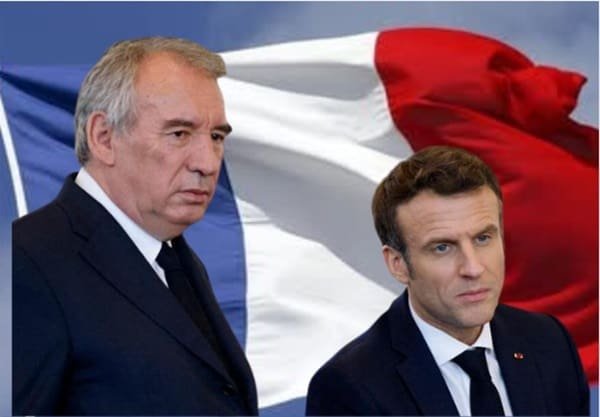

France has been plunged into a fresh political crisis. This occurred after the government of Prime Minister François Bayrou collapsed on Monday. This followed a dramatic defeat in a confidence vote in the National Assembly. The outcome marks a major setback for President Emmanuel Macron’s administration. It also raises pressing questions about the country’s political direction in the months ahead.
and leader of the Democratic Movement (MoDem), had been appointed Prime Minister earlier this year. This was an attempt to stabilize Macron’s second term. The term has been marred by growing unrest, economic headwinds, and fractious parliamentary dynamics. But his failure to secure a majority in the confidence vote has now forced his resignation.
– Advertisement –
The vote saw a broad coalition of left-wing and right-wing MPs reject Bayrou’s leadership. It reflects deepening divisions within the French political landscape. The National Assembly — increasingly fragmented since the 2022 legislative elections — has made it difficult for any prime minister to govern without constant compromise.
Macron Rejects Calls for Resignation or Snap Elections
In a televised address shortly after the vote, President Macron acknowledged the collapse of the government but struck a defiant tone.
“The Republic cannot allow itself to be paralyzed by partisan divisions,” Macron said. “I will appoint a new Prime Minister who can build consensus and deliver on the reforms the French people demand.”
He also firmly rejected calls from opposition leaders for early legislative elections or his own resignation. He stated that “France needs stability, not political theater.”
Among those calling for snap elections were Jean-Luc Mélenchon of the far-left La France Insoumise and Marine Le Pen of the far-right National Rally. Both accused Macron of clinging to power without a clear mandate.
– Advertisement –
Political Gridlock and Public Frustration
The collapse of Bayrou’s government underscores a larger crisis of governance in France. Macron’s centrist bloc has struggled to pass key legislation amid a hostile and polarized parliament. Public frustration has been mounting over economic stagnation, inflation, and controversial reforms, including changes to pensions and labor laws.
Polls show confidence in the government has been steadily eroding. The latest turmoil is likely to fuel further protests and unrest.
What Happens Next?
Macron now faces the difficult task of selecting a new prime minister. This figure must be capable of navigating a deadlocked legislature and restoring confidence in the executive. Possible successors may include figures from within the existing centrist coalition, technocratic outsiders, or even unexpected cross-party candidates.
However, with no clear parliamentary majority, any incoming prime minister will face the same challenges as Bayrou. Unless Macron opts to broaden his political base or reach a formal coalition agreement with other parties, challenges will persist. This move is rare in French politics.
For now, France enters a period of political uncertainty. There is no clear path forward, and rising pressure on the Élysée Palace to deliver results.
This is a developing story. More updates to follow.