

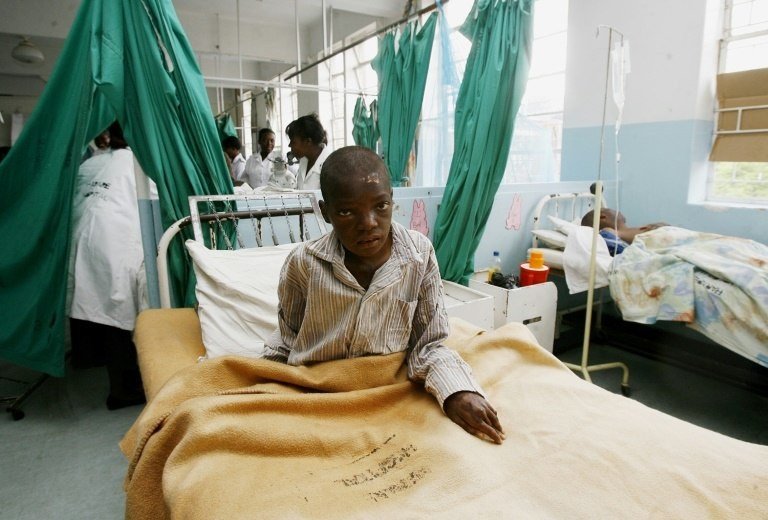
The Guardian UK reports that the Global Health Workforce Programme (GHWP), which supported training and development for healthcare staff across Ghana, Kenya, Nigeria, Ethiopia, Malawi, and Somaliland, will end this month, the Foreign, Commonwealth and Development Office (FCDO) confirmed.
“That is a genuinely historic decision, and the UK now risks ceding ground in global health that we will struggle to recover,” said Ben Simms, chief executive of Global Health Partnerships, which ran the programme.
It was also seen as part of the UK’s moral obligation to invest in countries from which it recruits large numbers of staff for the NHS and social care.
Global aid cuts put African health systems at risk
The programme’s closure was revealed in a written answer to a parliamentary question by former development minister Sir Andrew Mitchell, with FCDO minister Chris Elmore confirming it would end in March.
“The UK should be proud of the progress made in international development this century. But the world has changed, and so must we. With less money, we must make choices and focus on greater impact,” he said.
Elmore added that efforts were underway “to ensure the sustainability of projects beyond the programme’s lifetime” and that the government “remains committed to international development and will continue to support countries to build resilient, sustainable health systems.”
The GHWP cut is part of a wider retrenchment in global aid. Under US President Donald Trump, several US-funded health programmes have been shutdown, particularly in Africa, citing budget constraints and a focus on domestic priorities.
Other donor countries have followed suit with aid reductions or tighter prioritization, creating a cumulative strain on African health systems that depend on international funding. Analysts warn that these cuts risk undermining pandemic preparedness and weakening long-term development gains.
The GHWP’s current three-year contract had been expected to be renewed, continuing a series of similar programmes running since 2008. In 2023, under Rishi Sunak’s government, then-health minister Will Quince said: “This funding aims to make a real difference in strengthening the performance of health systems in each of the participating countries, which will have a knock-on effect on boosting global pandemic preparedness and reducing health inequalities. The pandemic showed us that patients in the UK are not safe unless the world as a whole is resilient against health threats.”
Among the programme’s initiatives, the Power for the People Africa Trust trained staff in Kenya’s Homa Bay county to tackle gender-based violence, reduce teenage pregnancies, and curb HIV infections.


