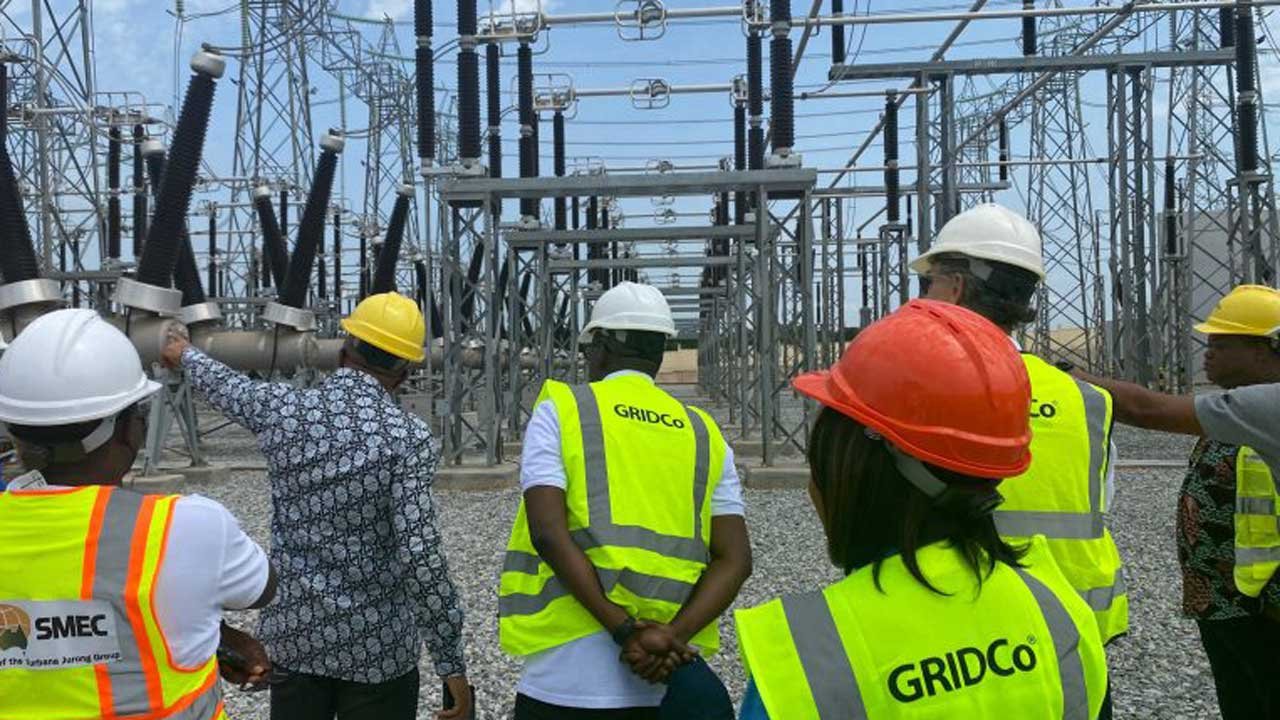
West African country, Ghana, has introduced a new Legislative Instrument (L.I) that makes competitive bidding mandatory for the procurement of additional power generation capacity.
The move is expected to transform the country’s electricity sector by enhancing transparency, reducing costs, and attracting investment.

Energy and Green Transition Minister, John Abdulai Jinapor described the reform as a new era and a policy shift.
“This reform marks a new era for Ghana’s power sector. Competitive bidding will not only ensure value for money but also unlock innovation and greater private sector participation,” Jinapor said.
Power generation makes up about 65% of Ghana’s electricity costs, a key reason for the country’s high tariffs in the sub-region.
The new law aims to cut these costs by opening the power value chain to more players, fostering competition, and driving prices down.
Here are five key facts about the new law:
5. Competitive bidding
Under the new framework, the government will no longer rely on direct negotiations or proposals from Independent Power Producers (IPPs).
Instead, all new power projects must go through open bidding, where companies compete on price, efficiency, and innovation before contracts are awarded.
The new law is a clear departure from past practices.
During the 2011–2016 power crisis, Ghana signed emergency agreements that were largely non-competitive and tied to “take-or-pay” clauses, forcing the state to pay for electricity even when it was not consumed.
These contracts contributed to annual excess capacity charges of more than $500 million and deepened the sector’s financial challenges.
By making competitive bidding mandatory, the new policy seeks to avoid a repeat of those deals and ensure that future power contracts are sustainable.
4. Transparency in power deals
For years, Ghana’s power sector has been weighed down by opaque contracts signed directly with Independent Power Producers (IPPs).
Many agreements were signed without competitive bidding, with minimal public disclosure for electricity whether it was consumed or not.
This lack of transparency led to hundreds of millions of dollars in payments for unused capacity.
The new law aims to restore trust by making competitive bidding the default for new projects.
By opening up procurement to fair competition, the government hopes to curb inflated pricing, reduce the risk of hidden deals, and improve accountability.
3. Electricity cost reduction
While Ghana successfully increased power generation after the 2011–2016 “dumsor” blackouts, the gains came at a heavy price
Expensive contracts and capacity charges pushed electricity tariffs to among the highest in West Africa, while saddling the sector in debt.
Since generation costs represent nearly two-thirds of the overall electricity tariff, reducing procurement costs is critical to lowering bills for households and businesses.
Costly contracts and capacity charges have left the sector in financial distress, saddled with debt, and have pushed electricity tariffs to among the highest in the sub-region.
With generation accounting for around 65% of total electricity costs, expensive PPAs remain the single biggest factor driving high tariffs.
The new framework directly addresses this issue by driving efficiency, easing financial pressures, and improving affordability.
Lower tariffs could stimulate industrial growth, reduce production costs for manufacturers, and enhance the country’s competitiveness.
2. Private sector participation and innovation
Minister Jinapor described the law as the dawn of a “new era” for Ghana’s power sector.
By ensuring predictable rules and fair competition, the regulation is expected to unlock more private sector investment, attract diverse technologies, and create a more active electricity market.
The shift is not only about lowering costs but also about building a sector capable of integrating new technologies, from renewable energy solutions to hybrid systems.
The electricity ministry said it is working closely with international partners, including the World Bank, the African Development Bank, and the Energy for Growth Hub.
The aim is to standardise Power Purchase Agreements (PPAs) and build local capacity in PPA design and negotiation.
It also seeks to ensure fair and balanced returns for investors while delivering high-quality electricity at competitive prices.
1. Tighter oversight of power contracts
The framework also strengthens the role of regulatory bodies by introducing measures to improve the vetting of license applications.
It will also ensure accountability through a comprehensive, up-to-date Power Purchase Agreement (PPA) register.
These measures aim to reduce the risks of poorly structured contracts and improve oversight, making it harder for unsustainable projects and promote transparency in energy deals.
Looking ahead
All new power projects will now be awarded through competitive bidding, a move intended to improve transparency, efficiency, and sustainability in the sector.
The impact of the policy will depend on how well regulators enforce the rules and how effectively industry players comply.
If implemented properly, the reform could help reduce electricity costs, encourage innovation, and make Ghana’s energy sector more efficient and better positioned to support economic growth.