The offshore wind sector is critical to achieving net zero goals and ensuring energy security.
As governments around the world hedge their bets on offshore wind being a key driver to meeting those sustainability goals, it has never been more important to ensure that safety is at the forefront of decision making to keep critical assets online.
However, this sector faces unique fire safety challenges that could have significant consequences if not addressed properly.
Unique challenges require unique solutions
Fire incidents on offshore wind assets, particularly on transformer platforms, can have catastrophic consequences.
In 2022, 225 high-potential incidents were reported in the UK offshore wind sector, a 10 per cent increase on 2021, and while only a small proportion of these could relate to transformer platforms, it highlights the risks the sector faces.
Offshore wind farms are typically located far from shore, making immediate emergency response difficult and, as a result, the time to reach these remote locations can significantly increase the severity of the incident.
They are often unmanned, or any personnel working on offshore wind farms have limited evacuation options, further increasing the need for a bespoke automatic solution.
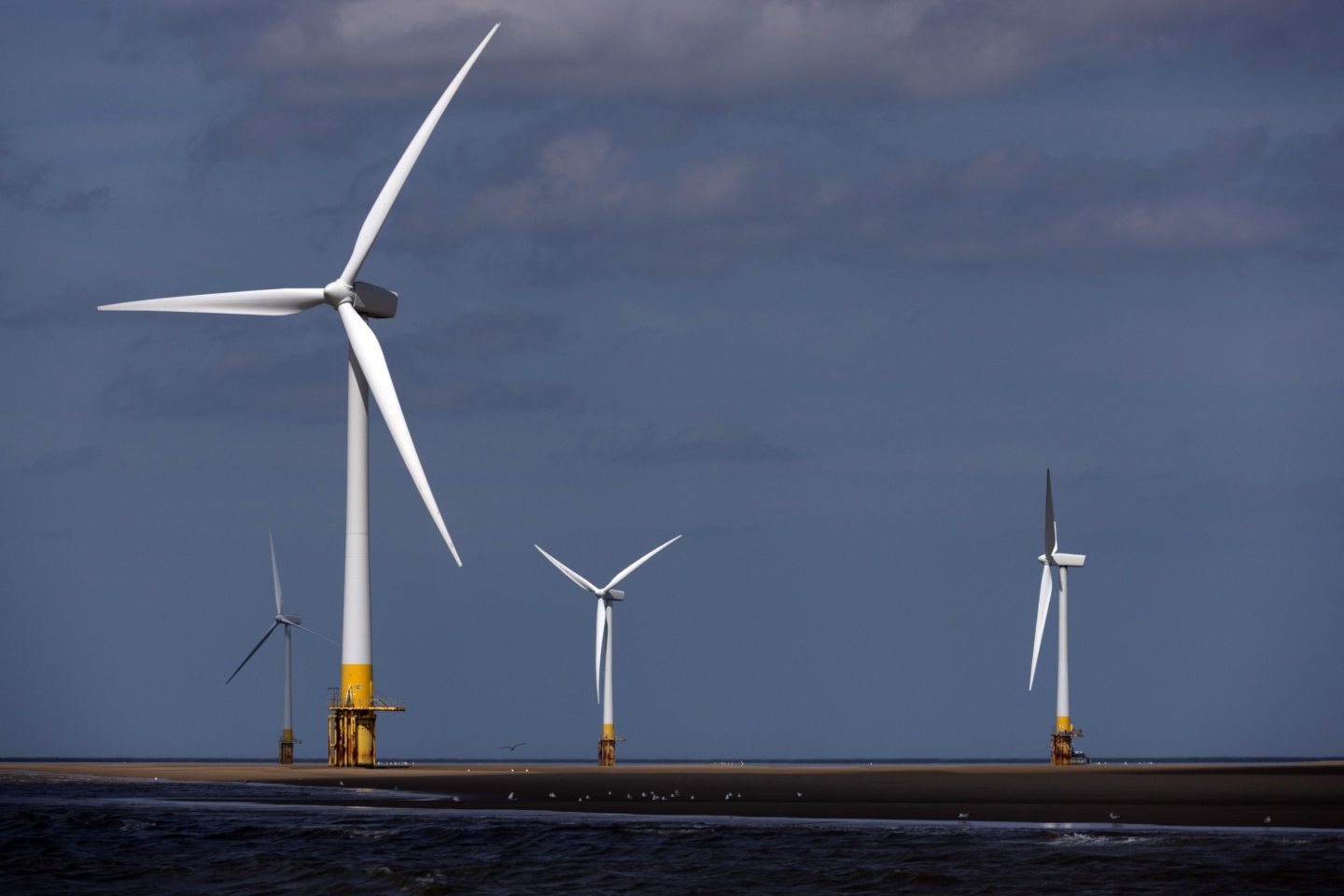
Transformer platforms serve as central hubs for multiple turbines, converting the alternating current (AC) generated by the offshore wind turbines to direct current (DC) for efficient long-distance transmission, making them critical nodes in the infrastructure.
 © Bloomberg
They house vital equipment which can be highly susceptible to damage from fires leading to electrical failures, loss of power control and even explosions, resulting in multiple turbines being rendered unavailable.
Adding further complexity is the need for specialist equipment and firefighting techniques suited to the mitigation of electrical fires in the marine environment.
The immediate consequence of a transformer platform going offline is a reduction in the supply of renewable energy to the grid and, as we increase renewable capacity, wind farms are increasingly integral to maintaining grid stability.
The sudden loss of power from an offshore wind farm can strain other parts of the power network, requiring rapid adjustments to maintain grid reliability, and possibly leading to increased use of less environmentally friendly backup power sources like fossil fuels.
Safeguarding these installations is key, not only to protect infrastructure, but to ensure ongoing supply of renewable energy supply to the grid.
These unique challenges and their subsequent consequences, require unique solutions.
Out with the old, in with the new, right? Wrong.
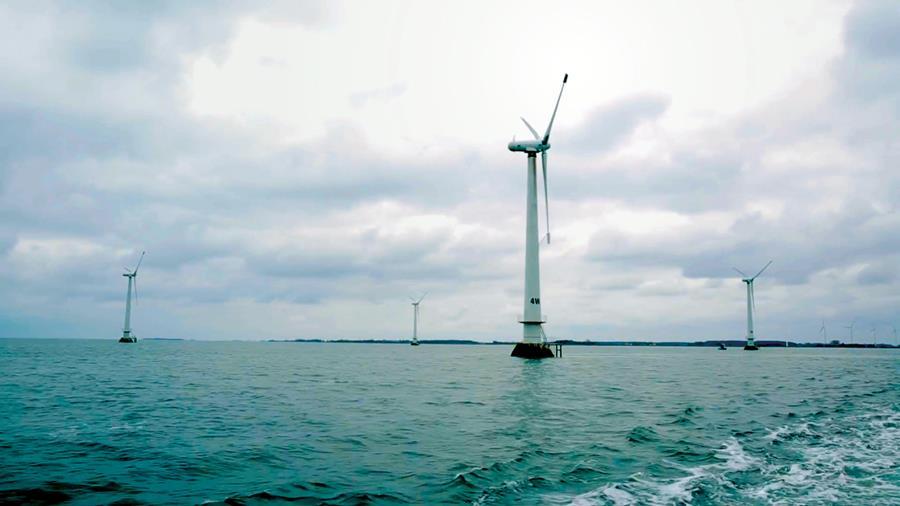
While it feels relatively new, the first offshore wind farm – Vindeby Offshore Wind Farm – was actually built off the Danish coast in 1991.
The fixed wind farm was located in water depths reaching only 4m and it didn’t require a transformer platform, but it inspired the development of offshore wind energy over the next three decades.
 © Supplied by Orsted
Now, with offshore wind farms dating back to as early as 2006 still in operation, we should not underestimate the importance of protecting aging infrastructure alongside new field development.
In fact, aging assets – and retrofitting them with appropriate fire detection systems – may pose the greatest challenge.
Fire safety regulations evolve over time, and maintaining aging assets helps ensure they remain reliable and compliant with current standards.
This is essential for legal and operational reasons, but regular maintenance and upgrades of fire safety systems can contribute to extending overall asset life, improving long-term viability and performance.
Ultimately, as fire safety technology improves, maintaining and upgrading systems on aging assets allows wind farms to benefit from enhanced detection and suppression capabilities to protect critical infrastructure.
Tapping into the right expertise
Choosing the right partner becomes not just beneficial but essential – both for new and aging infrastructure.
While the scale and complexity of the fire safety and detection system required on offshore transformer platforms may not be like for like with an oil and gas topside, the knowledge of working in harsh or remote environments, to protect critical infrastructure, is.
The offshore wind sector is a cornerstone of the transition to sustainable energy, but it comes with distinct challenges that cannot be understated.
 © Supplied by Ocean Winds
Effective fire safety solutions are not just about safeguarding the infrastructure; they are crucial for maintaining the steady supply of renewable energy that modern power grids increasingly rely on.
But, to address these challenges, the right partner is vital.
Offshore wind infrastructure, while considered a lower-risk environment than an oil & gas platform due to the absence of hydrocarbons, is still vulnerable to fire hazards arising from electrical faults, lightning strikes, and overheating components within confined spaces.
These risks are compounded by the remote and harsh environments in which offshore wind farms operate, where access for emergency response is limited.
Our energy sector experience highlights how fire safety strategies in offshore wind can be adapted from lessons learned in oil and gas, as ensuring comprehensive fire protection systems is essential to safeguarding both personnel and critical infrastructure in these challenging conditions.
While the oil and gas sector and the renewables industry have not always seen eye to eye, they must work together to tap into vital skills, knowledge and expertise which is unique to these sectors if we are to succeed in achieving a resilient, reliable renewables future.
Recommended for you